
How Many Parts of a Vacuum Cleaner? 12 Common Parts Explained
A vacuum cleaner doesn’t have one fixed number of parts. Most household models use five basic working systems, including an air inlet, a motor-driven fan, a dirt collector, filtration, and a power source with controls. If you count the parts you can identify and maintain, a typical upright or canister vacuum has about 12 common parts or part groups.
That doesn’t mean every vacuum contains the same 12 pieces. A cordless stick may use a battery instead of a power cord. A robot vacuum adds sensors and drive wheels, while a simple handheld may have no hose or spinning brush at all.
Knowing the part names helps when your vacuum stops picking up crumbs, makes an odd noise, or needs a replacement filter. It also makes shopping for a new machine much less confusing. You can tell which features actually help with your floors.
Below, you’ll find a practical parts list, an explanation of how dirt moves through the machine, and simple checks for common problems.
Quick Answer
There is no universal number of vacuum cleaner parts. Most household models have five core working systems and roughly 12 common components or component groups. These include the motor, fan, cleaning head, brush roll, drive mechanism, hose, wand, dirt container, filters, power source, controls, and housing with wheels. Some designs have fewer or more.
How Many Parts Does a Vacuum Cleaner Have? 12 Common Components
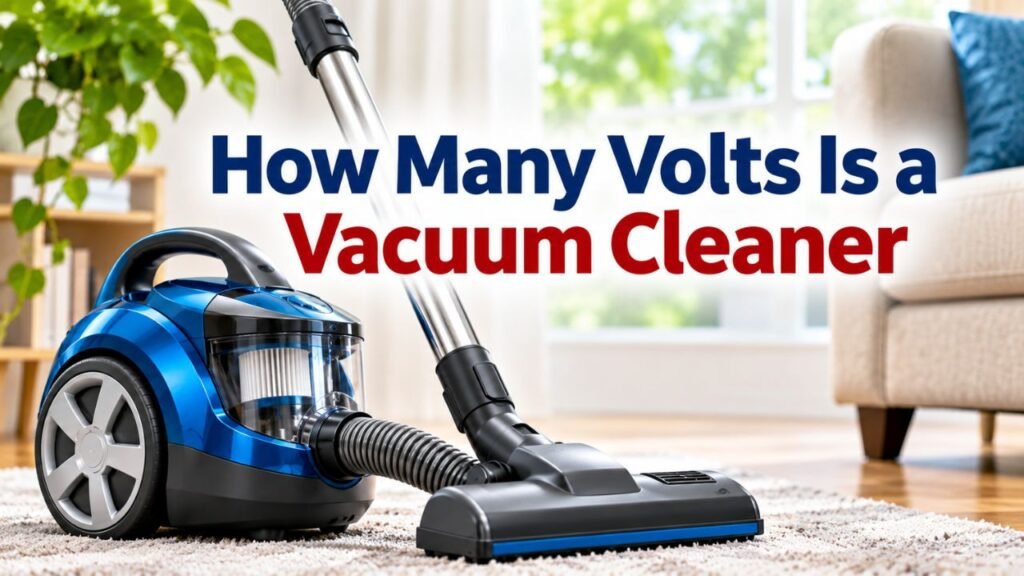
A typical upright or canister vacuum has around 12 recognizable parts or part groups, but that count is a way to explain the machine, not an industry standard. Some pieces are built together, and others are optional. The most useful breakdown follows the path from floor to dust bin.
| Part or part group | Main job | Found on every vacuum? |
|---|---|---|
| 1. Electric motor | Powers the suction fan | Yes, on electric models |
| 2. Fan or impeller | Moves air and creates a pressure difference | Yes, on common designs |
| 3. Floor nozzle or cleaning head | Directs incoming air and dirt | An inlet is needed; head design varies |
| 4. Brush roll | Loosens dirt trapped in carpet | No |
| 5. Brush drive, belt or motor | Turns a powered brush roll | Only with a powered brush |
| 6. Flexible hose | Carries air through a bendable tube | No |
| 7. Extension wand | Adds reach between handle and floor head | No |
| 8. Dust bag or collection bin | Holds debris | Yes, in some form |
| 9. Filters | Trap dust and protect the airflow path | Common, but designs differ |
| 10. Power cord or battery | Supplies electrical power | One or the other on electric models |
| 11. Switch and controls | Turn the machine on and manage settings | Yes, in some form |
| 12. Housing and wheels | Support, protect, and move the machine | Housing is standard; wheels vary |
Treat the rows as a practical guide, not a replacement-parts inventory. A robot, for example, may have several small motors beyond the main suction motor.
The manufacturer’s explanation of suction, dirt collection, and filtration also shows why a handful of systems do most of the cleaning work.
What Do the Main Parts of a Vacuum Cleaner Do?
Each main vacuum part handles one step: moving air, loosening dirt, guiding debris, collecting it, or keeping dust from blowing back out. Think of the vacuum as a small moving-air system. If any link gets blocked or stops working, pickup often drops even though the motor still sounds normal.
Motor and Fan: The Air-Moving Team
The motor spins a fan, also called an impeller, inside the machine. That fan moves air out of one area, creating a pressure difference that draws replacement air through the nozzle. Dust and crumbs ride along in that moving air.
It’s similar to using a drinking straw, except an electric fan creates the airflow. The motor doesn’t pull individual crumbs like a magnet. It moves air that carries them.
Floor Head, Brush Roll, and Drive System
The floor head is the part that contacts the surface. Its opening guides dirt toward the suction path. Some heads have a rotating brush roll, a cylinder covered with bristles or soft material that sweeps debris out of carpet fibers.
A powered brush may use a rubber belt connected to a motor, or it may have its own small motor in the head.
Say your vacuum picks up rice from tile but leaves pet hair in a rug. A tangled or stalled brush roll could be the problem, even when suction seems fine. The guide to how a vacuum’s brush assembly works covers its smaller moving pieces.
Hose, Wand, and Dirt Container
A hose is a flexible airway, while a wand is a rigid tube that extends your reach. Some uprights use a hose only for above-floor cleaning. Many sticks have a wand but no separate flexible hose.
The dust bag or bin catches the material arriving through that airway. Bagged models collect dirt inside a replaceable bag. Bagless models often spin incoming air in a cyclone separator, which helps drop debris into the bin.
Filters, Power Source, Controls, and Body
A filter traps particles in the airflow. Some machines have a pre-motor filter to protect the motor and a separate exhaust filter to reduce fine dust released into the room. Filter locations and materials vary by model.
For dust-sensitive homes, federal advice on indoor particle control suggests considering a vacuum with a HEPA filter. HEPA describes a high-efficiency particle filter, but good seals around the filter also matter.
The cord or battery supplies energy. The switch and speed controls tell the machine when to run. Finally, the outer body keeps the parts together, while handles and wheels make it easier to move.
How Do Vacuum Cleaner Parts Work Together?
Vacuum parts work in a simple chain: power turns the motor, the fan draws air through an opening, and moving air brings dirt into the machine. The collector holds debris while filters catch smaller particles before air leaves the exhaust. A brush roll helps when dirt clings to carpet.
Here’s the cleaning process in order:
- You switch on the vacuum. Electricity reaches the motor through the cord or battery and its controls.
- The fan starts turning. Its movement produces a pressure difference that pulls air into the cleaning head.
- The nozzle meets the floor. Air flows around loose crumbs, dust, and hair and carries them inside.
- The brush helps on carpet. If fitted, a rotating brush loosens material caught between fibers.
- Debris reaches the bag or bin. The collection system holds larger particles while air continues through the machine.
- Filters catch remaining particles. Air then exits through the designed exhaust path.
Think about cleaning dry cereal from a kitchen rug. The brush loosens trapped pieces; airflow carries them up; the collection bin keeps them from returning to the floor.
Motor speed can affect airflow, but a faster spinning shaft doesn’t guarantee better cleaning. This breakdown of vacuum cleaner motor RPM explains why motor speed and brush speed aren’t the same thing.
Which Vacuum Parts Change Between Different Types?
The core airflow system remains much the same across vacuum types, but the layout changes to suit each cleaning job. An upright keeps its main parts in one tall body, while a canister separates them from the wand. Robots need extra parts for movement and obstacle detection.
| Vacuum type | Parts that stand out | Common difference |
|---|---|---|
| Upright | Floor head, brush roll, handle, collection body | Often has a hose for extra tools |
| Canister | Rolling canister, flexible hose, wand | Motor and collection stay in a separate body |
| Cordless stick | Battery, slim wand, compact head | Often has a removable handheld unit |
| Handheld | Small motor unit, nozzle, compact bin | May lack a wand or brush roll |
| Robot | Drive wheels, sensors, side brushes, charging contacts | Adds navigation and charging hardware |
| Wet/dry | Tank, hose, liquid-safe intake system | Filter and tank setup changes for wet pickup |
A compact handheld might be missing half the items in the earlier list and still work perfectly. Meanwhile, a robot’s charging dock is a separate accessory, even if the package includes it.
If you’re choosing between designs, a comparison of different vacuum cleaner types helps connect these layouts with real cleaning jobs.
Which Vacuum Cleaner Parts Need Regular Maintenance?
The parts that need the most routine care are the dirt container, filters, brush roll, and airflow passages. A full bin, clogged filter, or hair-packed brush can reduce pickup without any broken component. Check the owner’s manual first because cleaning methods and replacement schedules differ between models.
| Part | Simple care | When to check it |
|---|---|---|
| Dust bin | Empty before it reaches the marked fill line | During or after cleaning |
| Dust bag | Replace when full or as the manual directs | When suction drops or indicator shows full |
| Filters | Clean or replace only as instructed | On the maker’s schedule or if airflow drops |
| Brush roll | Remove wrapped hair and thread safely | When pickup drops or brush stops |
| Floor nozzle | Clear visible debris from the opening | When larger crumbs stay behind |
| Hose and wand | Check for trapped objects | If suction is weak at the head |
| Wheels | Remove tangled hair and debris | If the vacuum won’t roll smoothly |
| Battery and charging contacts | Keep dry and follow the charging instructions | If runtime or charging changes |
Heads Up: Not every filter is washable. Water can ruin some paper or HEPA filter media. Never put a damp filter back into a dry vacuum unless the manufacturer specifically permits washing and it has dried completely.
It’s also worth cleaning the brush area before a thread tangle becomes a bigger problem. Unplug a corded vacuum, or shut down and remove the battery if the design allows, before touching moving parts.
How Can You Tell Which Vacuum Part Is Faulty?
You can often narrow down a vacuum problem by matching the symptom to a specific part, then checking the easy causes first. A clog, full bin, or dirty filter is more common to deal with than a failed motor. Don’t assume a noisy or weak vacuum needs replacing immediately.
| Symptom | Part to check first | Sensible first action |
|---|---|---|
| Weak pickup everywhere | Bin, filter, hose | Empty, inspect, and clear permitted blockages |
| Good hose suction, poor carpet pickup | Brush roll or floor head | Look for hair tangles or a jam |
| Brush not spinning | Brush, belt, drive motor | Follow the manual’s brush-check procedure |
| Dust escaping from body | Filter, bag seal, bin latch | Reseat parts and check for damage |
| High-pitched whistle | Hose joint or airflow opening | Check for leaks and blockages |
| Shuts off during cleaning | Airflow path or thermal protection | Turn off, unplug, and let it cool as directed |
| Won’t start | Outlet, cord, battery, controls | Check basic power safely |
Here’s a quick check: if a vacuum pulls well through its hose but barely lifts hair from carpet, the issue may be in the floor head rather than the main suction system.
Safety Note: Stop using a vacuum that sparks, smells like burning insulation, has a damaged cord, or repeatedly trips a breaker. Don’t bypass safety switches or open electrical parts. Arrange proper service.
Can You Replace Vacuum Cleaner Parts Yourself?
Some vacuum parts are designed for easy owner replacement, including dust bags, certain filters, removable brush rolls, and clip-on accessories. Motors, electronic controls, internal wiring, and sealed battery packs need more care. The safe choice depends on the model’s instructions, not just how simple the repair looks online.
Common owner-service items include:
- Replacement dust bags and approved filters.
- Clip-on nozzles, hoses, and extension wands.
- Removable brush rolls or belts, where the manual gives steps.
- Detachable batteries sold for that exact model.
Avoid opening the motor housing or handling exposed wiring. A swollen, leaking, or damaged lithium-ion battery also needs the maker’s disposal or service instructions, not a home repair attempt.
For instance, replacing a worn hose that clicks into place is usually straightforward. Fixing a melted switch connection is a job for a qualified repair technician.
Frequently Asked Questions
Vacuum part counts can sound inconsistent because manufacturers group components differently. One may list the brush head as one assembly, while another lists its roller, belt, bearings, and motor separately. These answers cover the questions that come up most often when identifying or replacing parts.
What Are the Five Basic Parts of a Vacuum Cleaner?
For a simple explanation, think of five working systems: the air inlet, motor and fan, dirt collection, filtration, and power with controls. Each system can contain several separate pieces. A brush roll helps many carpet vacuums, but it’s not required for every vacuum design.
What Is the Most Important Part of a Vacuum Cleaner?
The motor-driven fan is central because it creates the airflow that carries dirt into the machine. Still, the fan can’t do its job well with a blocked hose or packed filter. Good cleaning depends on the full airflow path, not one impressive part or motor rating.
What Is the Spinning Brush on a Vacuum Called?
It’s usually called the brush roll, brush bar, or agitator. It rotates against the floor to loosen dirt, especially in carpet. A belt or separate brush motor may drive it. Some hard-floor attachments use a stationary brush or soft roller instead, depending on the design.
Do All Vacuum Cleaners Have a HEPA Filter?
No. Some vacuums use standard foam, felt, cartridge, or pleated filters without a HEPA rating. Others use HEPA-rated exhaust filters. Check the manufacturer’s filter specification and whether the machine has a well-sealed airflow path, especially if dust control matters in your home.
Can a Vacuum Work Without a Brush Roll?
Yes. Suction-only nozzles can clean hard floors and many small messes without a spinning brush. Powered brush rolls are particularly useful for lifting dirt caught in carpet fibers. If your machine was built with a brush roll, follow its manual rather than removing it as a permanent fix.
Know the Parts Before You Replace the Vacuum
A vacuum cleaner doesn’t have one universal part count. Five basic systems explain how it works, while a list of 12 common parts gives you useful names for everyday cleaning and maintenance. Your machine may have fewer components, or many more, depending on its design.
Start with the simple parts you can check without opening the motor housing. Empty the bin, inspect approved filters, look for hose blockages, and clear the brush roll according to the manual. Those small steps often solve weak pickup or a stopped brush without buying a new machine.
If a problem points toward damaged wiring, a failing motor, or a faulty battery, stop there and seek proper service.
For your next step, find your vacuum’s model number and open its parts diagram or owner’s manual. Match the names in this guide to the parts on your machine. You’ll know what to clean, what to replace, and when to leave a repair to a technician.