How to Move an 80 Gallon Air Compressor Safely and What It Weighs
An 80-gallon air compressor commonly weighs about 350–650 pounds empty, although lighter models may fall below that range and heavy industrial units…
Read guide
ortable Power Tool Guides
Practical guides, comparisons, and expert tips to help you choose, use, and maintain portable power tools with confidence.
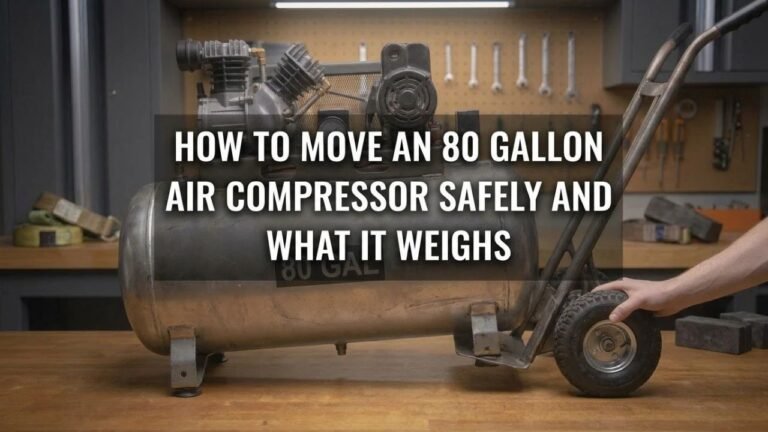
An 80-gallon air compressor commonly weighs about 350–650 pounds empty, although lighter models may fall below that range and heavy industrial units…
Read guide →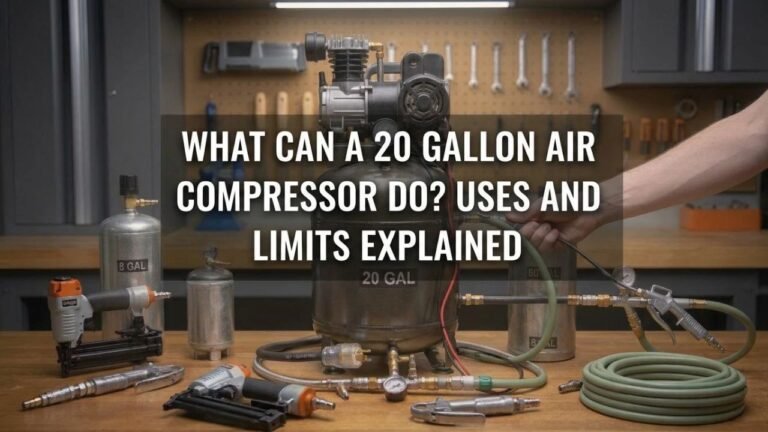
A 20-gallon air compressor is large enough for tire inflation, nailers, impact wrenches, air ratchets, blow guns, pneumatic grease guns, and many…
Read guide →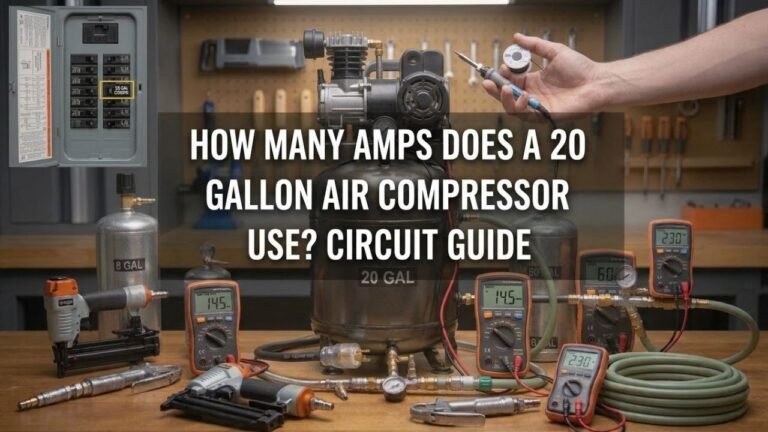
Most 20-gallon electric air compressors made for a standard U.S. outlet draw roughly 14–15 amps at 120 volts. The exact amperage depends…
Read guide →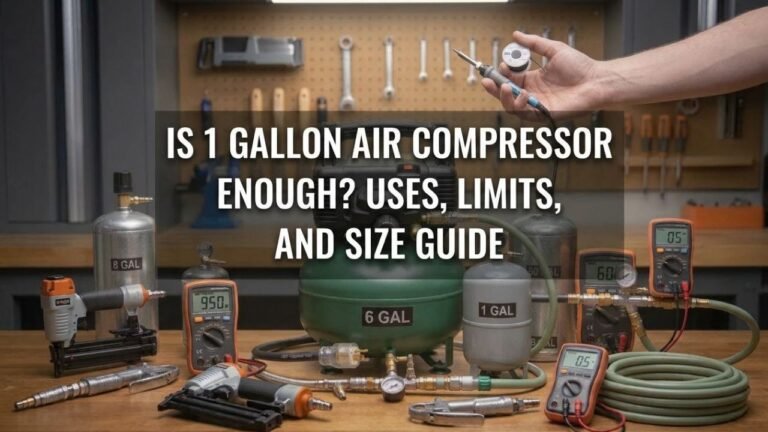
A 1-gallon air compressor is enough for tire inflation, airbrushing, light cleaning, and intermittent use with many brad nailers, staplers, and finish…
Read guide →
Most 6-gallon portable air compressors use roughly 1,000 to 1,500 watts while the motor is running. Startup demand is much higher for…
Read guide →
A 6-gallon air compressor is best for inflation, brad and finish nailers, staplers, blow guns, and other tools that use air in…
Read guide →
A 60-gallon stationary air compressor should sit upright on a solid, level base with adequate ventilation and service clearance. Secure it according…
Read guide →
Most 60-gallon stationary air compressors use a 230–240V single-phase motor drawing roughly 15–22 amps while running. A common 3.7 HP model is…
Read guide →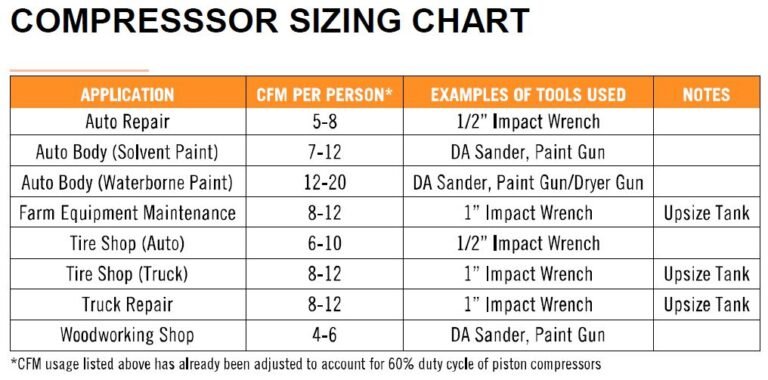
Learn how big of an air compressor do i need for air tools, painting, tire inflation, garages, and workshops. Discover CFM, PSI,…
Read guide →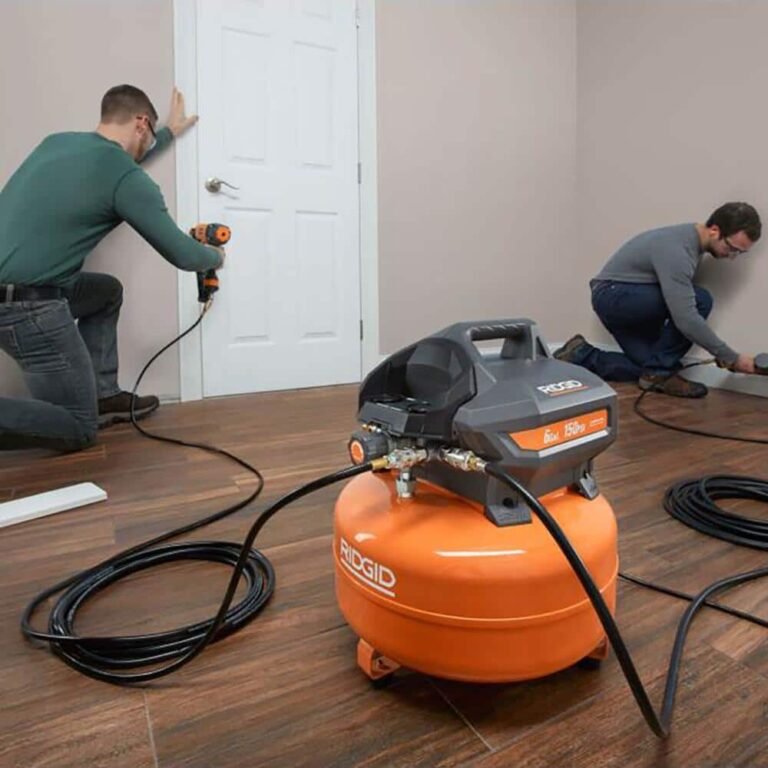
Learn how to use an air compressor safely and efficiently with this beginner-friendly guide. Discover setup steps, safety tips, tool connections, maintenance…
Read guide →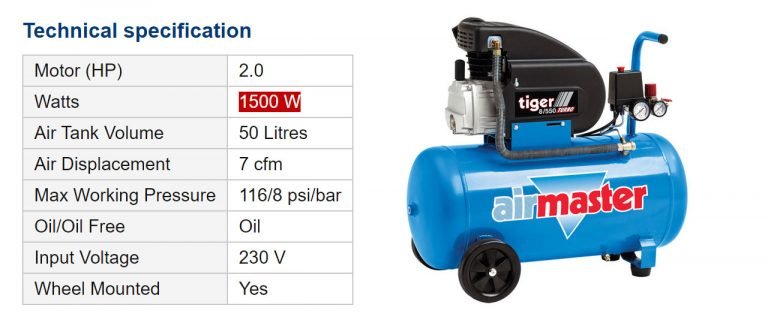
Learn how many watts does an air compressor use, typical wattage ranges, startup power needs, electricity costs, and how to calculate air…
Read guide →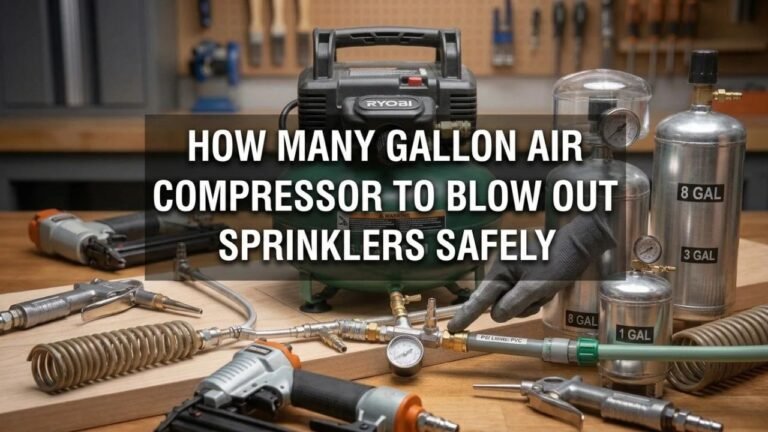
A 20- to 30-gallon air compressor can work for a small residential sprinkler system, while a 60-gallon unit gives more air reserve…
Read guide →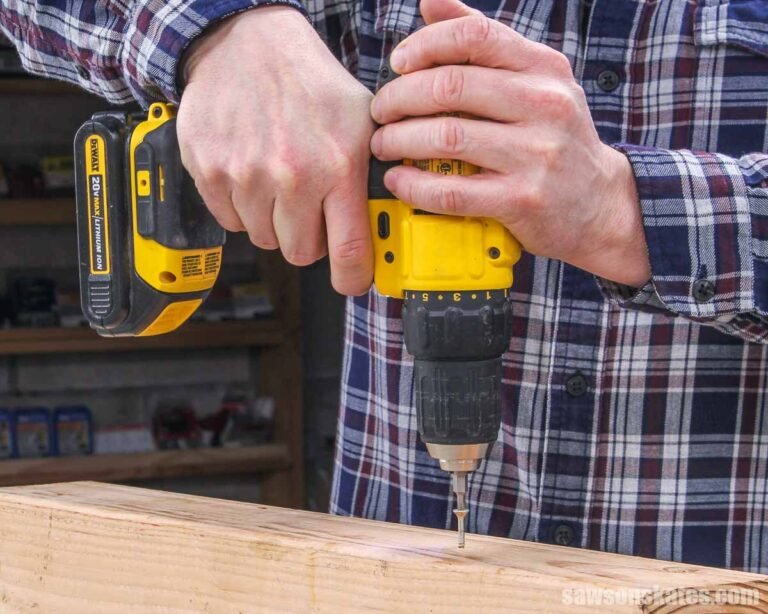
Learn how to use a drill properly with this step-by-step guide. Discover drill safety, bit selection, drilling techniques, and expert tips for…
Read guide →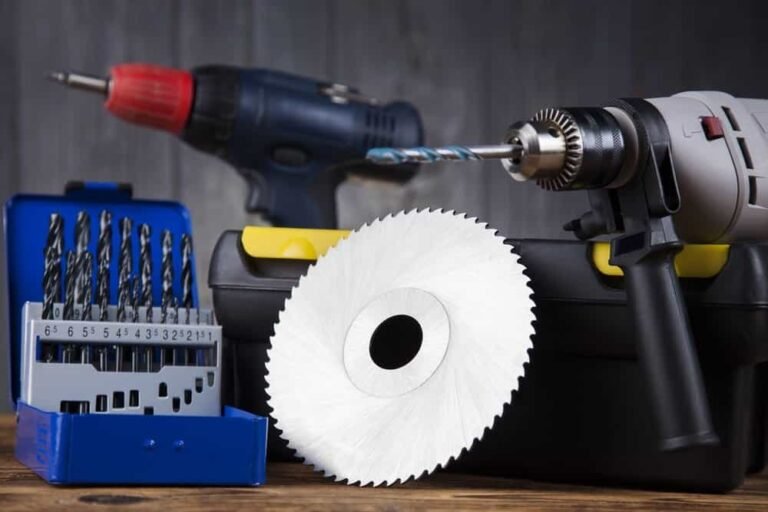
Learn how to silence a power drill with proven noise-reduction methods, maintenance tips, quieter drilling techniques, and tool selection advice for homeowners…
Read guide →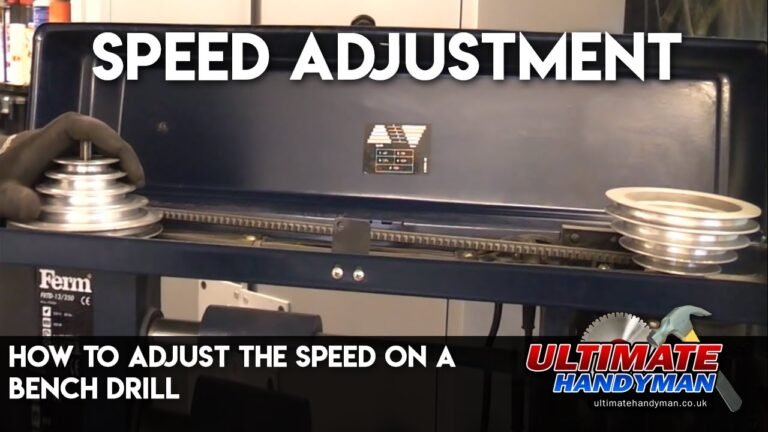
Learn how to adjust drill speed correctly for wood, metal, plastic, and masonry. Discover drill settings, gear selection, trigger control, and expert…
Read guide →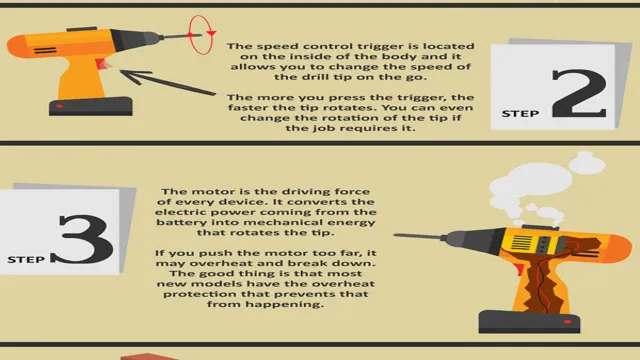
Learn how to use a cordless drill driver safely and effectively. This step-by-step guide covers drill parts, settings, drilling, driving screws, safety…
Read guide →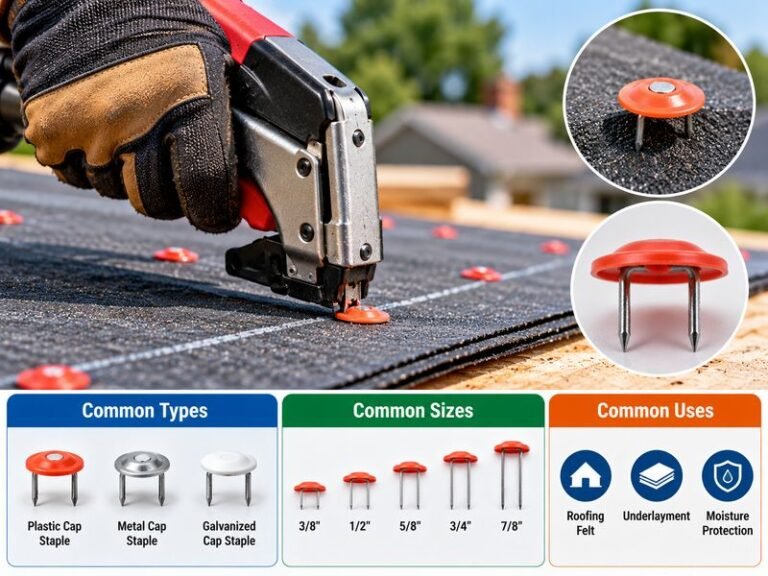
If you have seen small round plastic discs attached to housewrap, roofing felt, or synthetic underlayment, you were probably looking at cap…
Read guide →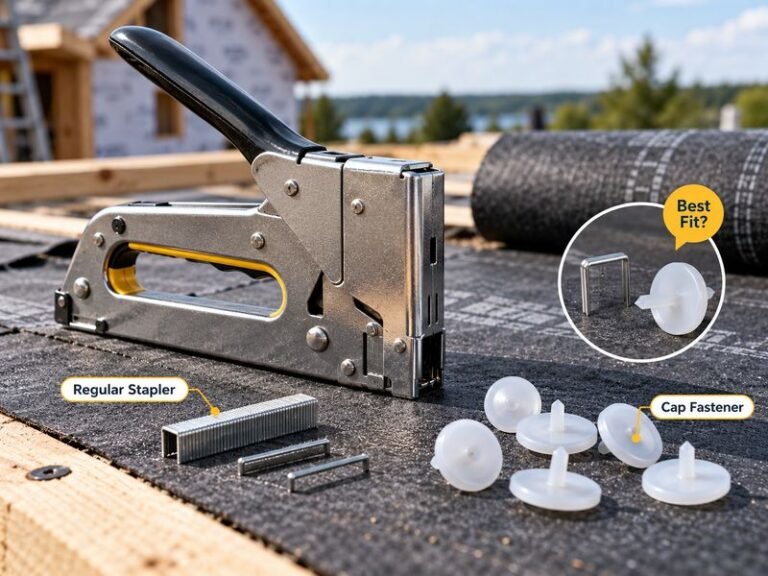
The short answer to can you use caps with a regular staple gun is generally no, not in the normal automatic way.…
Read guide →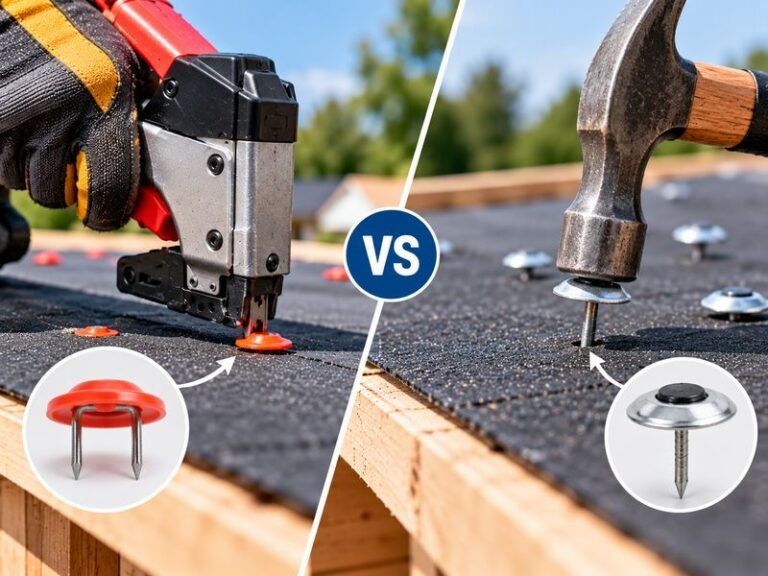
If you are wondering are staples or cap nails better for installing roofing felt, cap nails are generally the better choice for…
Read guide →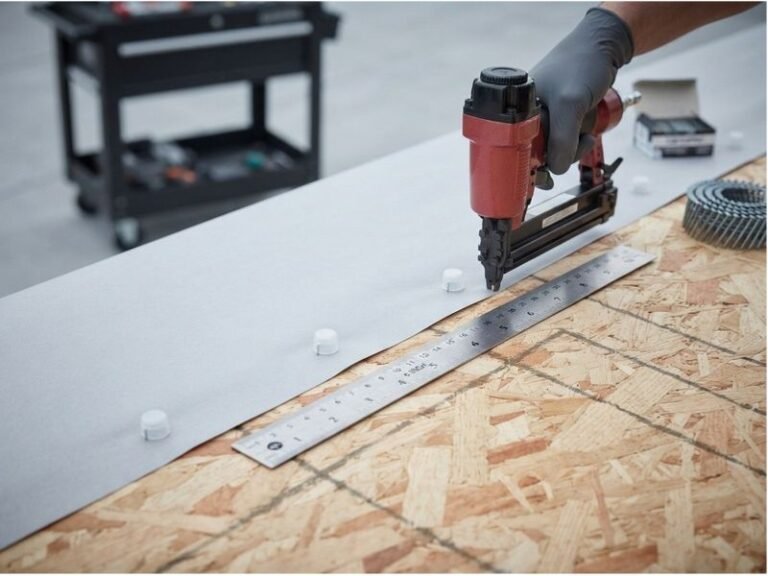
If you are wondering how far apart and where to put plastic cap staples, there is an important detail to know first:…
Read guide →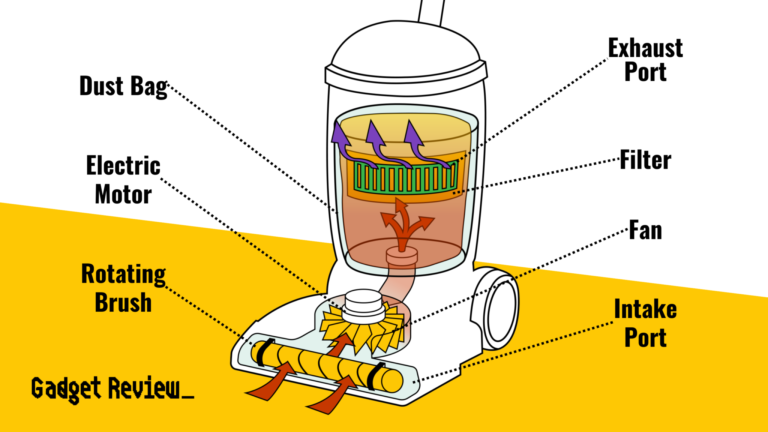
Learn how does a vacuum cleaner work science, from air pressure and suction to motors, filters, brushes, airflow, and dust collection.
Read guide →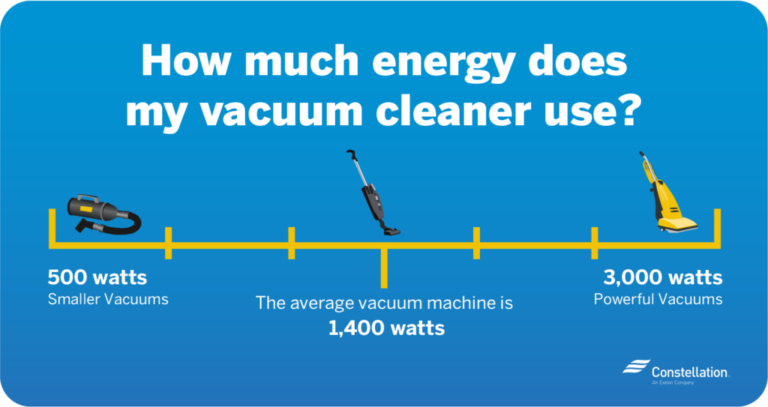
Learn how many volts is a vacuum cleaner, typical voltage ranges, differences between corded and cordless vacuums, and how voltage affects cleaning…
Read guide →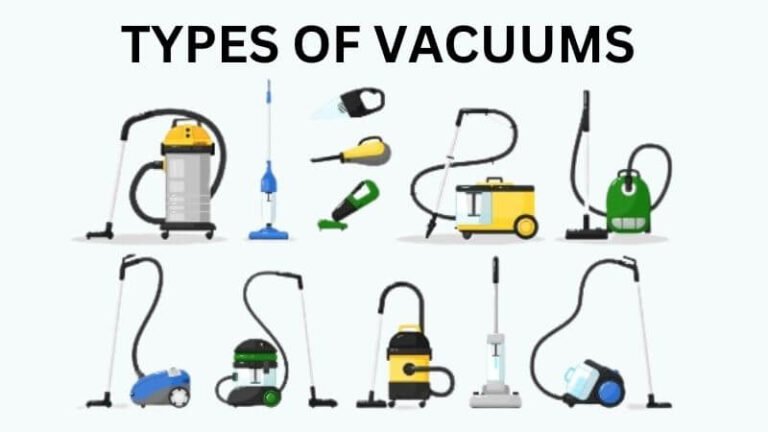
Wondering how many types of vacuum cleaner exist? Learn about upright, canister, stick, robot, handheld, wet-dry, central, and backpack vacuum cleaners and…
Read guide →
Wondering how much is a vacuum cleaner? Learn average vacuum cleaner prices, cost ranges by type, features, and tips for choosing the…
Read guide →
About the Author
I’m Aaron Gruenke, an electrical engineer with a strong interest in power tools, DIY projects, and practical workshop solutions. I enjoy testing and researching different tools to understand how they perform in real-world use. At PortablePowerTool.com, I share straightforward guides, comparisons, and practical advice to help readers choose the right power tools for their projects.
Email Updates
Subscribe with your email to get practical guides and helpful updates whenever we publish something new.