How Many Parts of a Vacuum Cleaner? Complete Guide
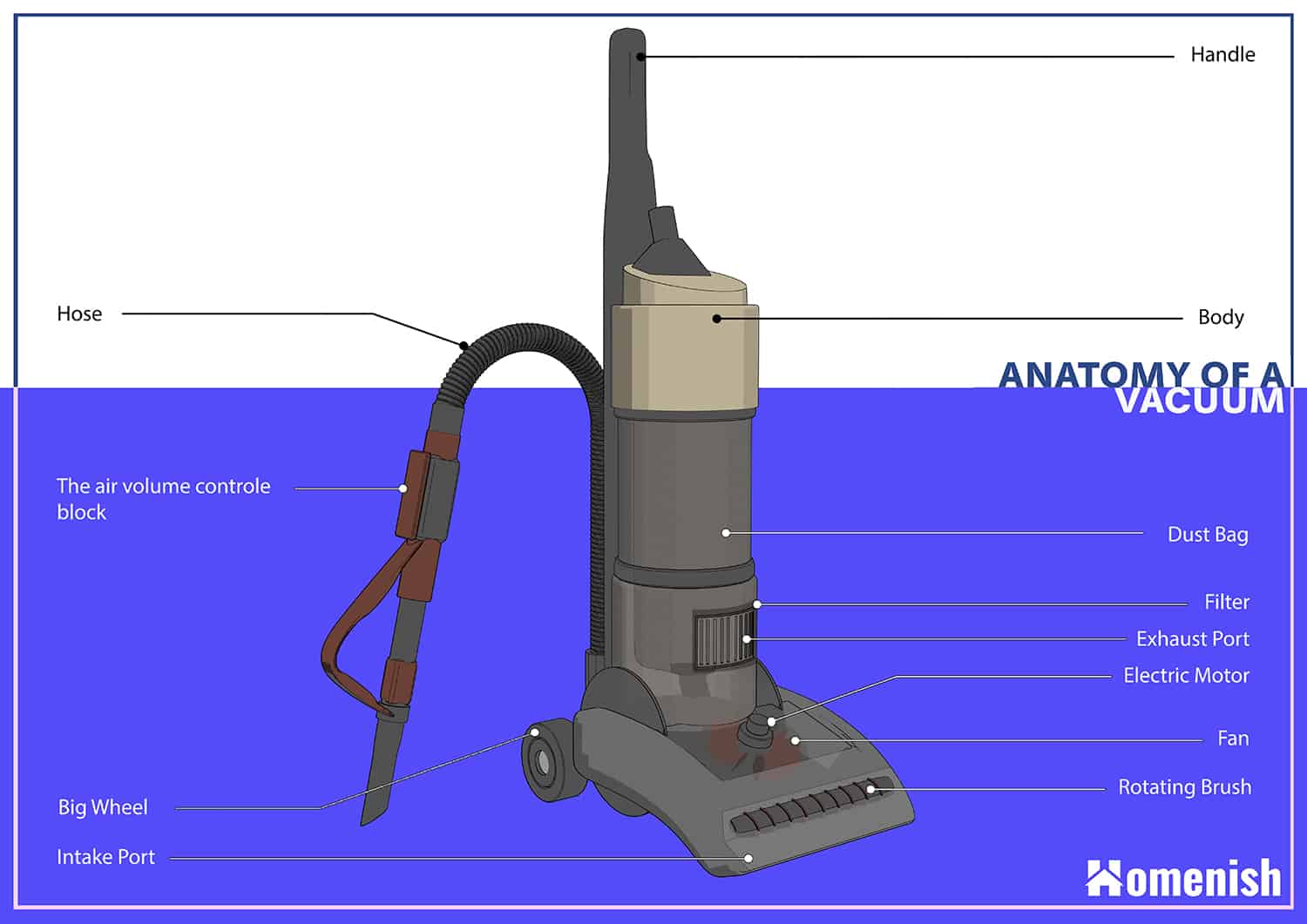
Many homeowners ask, “how many parts of a vacuum cleaner” are there. The answer depends on the model. Most modern upright and canister vacuums contain between 10 and 20 major components, along with many smaller pieces and fasteners.
After years of working with home appliances and helping consumers maintain cleaning equipment, I have found that understanding vacuum cleaner parts makes ownership much easier. When you know what each part does, you can clean more effectively, spot problems sooner, and extend the life of your machine.

How Many Parts of a Vacuum Cleaner Are There?
When people ask how many parts of a vacuum cleaner exist, they often want a simple number. Most household vacuum cleaners contain roughly 10 to 20 major parts. Premium models may include additional attachments, sensors, and filtration systems.
The total count changes based on whether the vacuum is upright, canister, stick, robotic, or handheld. However, the main cleaning system remains very similar across most designs.
- ✦ Basic Vacuum
Usually contains around 10 to 12 primary components.
- ✦ Standard Household Vacuum
Often includes 15 to 20 major parts and accessories.
- ✦ Advanced Vacuum
May contain more than 20 functional components.
Why the Number Varies
Manufacturers design vacuum cleaners for different cleaning needs. Some focus on simplicity, while others add extra features such as HEPA filtration, powered attachments, and smart controls.
- ✦ Design Type
Upright, canister, and stick vacuums use different layouts.
- ✦ Extra Features
Additional accessories increase the total part count.
The Main Parts Found in Most Vacuum Cleaners
To understand how many parts of a vacuum cleaner are important, it helps to focus on the primary components. These parts perform the essential cleaning tasks that every vacuum needs.
Each component contributes to airflow, dirt collection, filtration, or movement. If one part fails, cleaning performance often drops quickly.
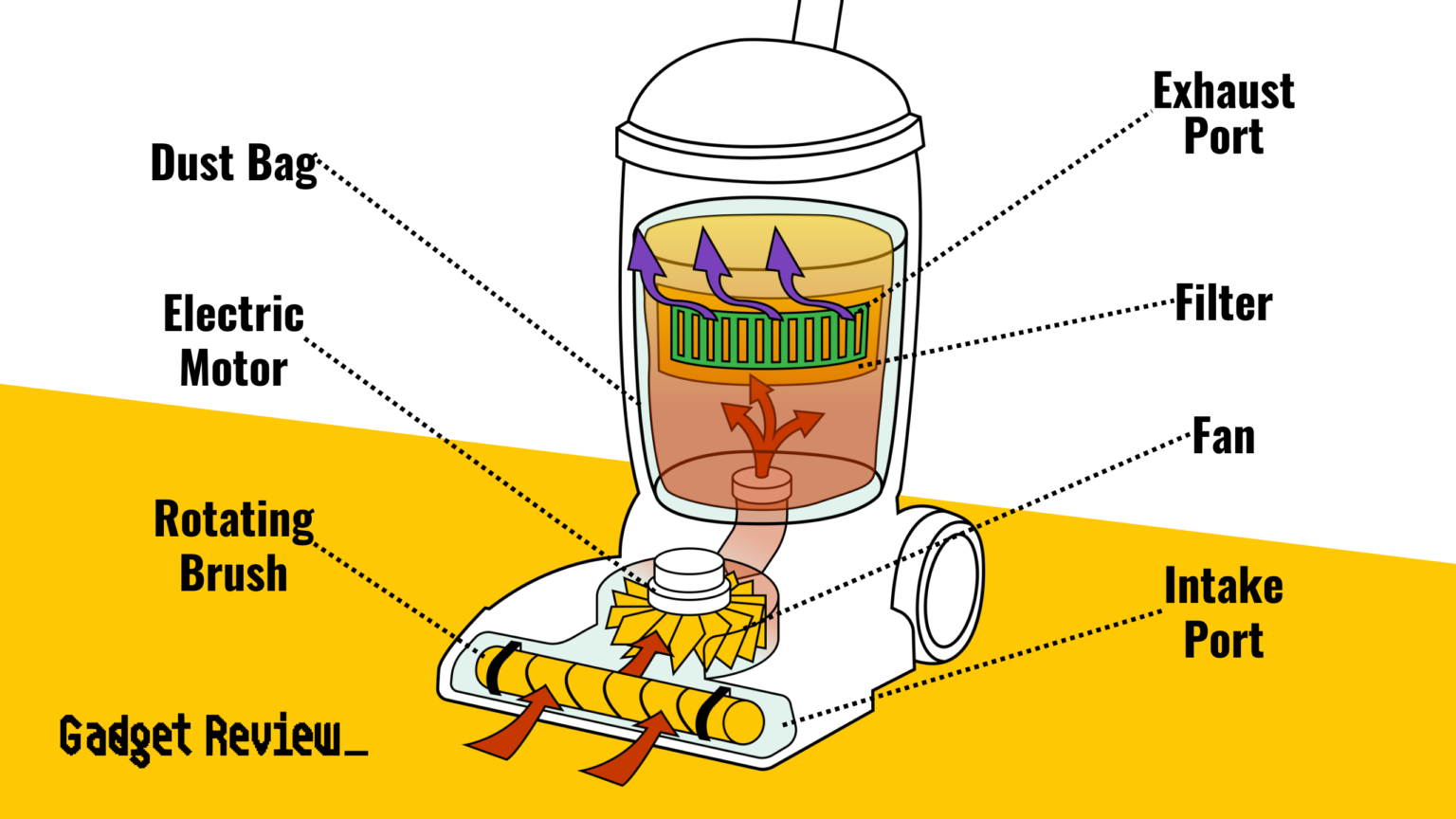
- ✦ Motor
Creates suction power.
- ✦ Fan
Moves air through the vacuum.
- ✦ Brush Roll
Lifts dirt from carpets.
- ✦ Dust Container
Stores collected debris.
- ✦ Filters
Capture dust and fine particles.
Additional Common Components
Many vacuums also include hoses, extension wands, wheels, belts, power cords, handles, and floor heads. Together, these parts improve cleaning reach and usability.
- ✦ Hose
Provides flexible cleaning access.
- ✦ Wand
Extends cleaning reach.
- ✦ Floor Head
Directs suction to the floor surface.
Functions of the Most Important Vacuum Cleaner Parts
Knowing how many parts of a vacuum cleaner exist is useful, but understanding their jobs is even more valuable. Each component supports the cleaning process in a specific way.
When all parts work together, dirt moves from the floor into the collection chamber while clean air exits the machine.
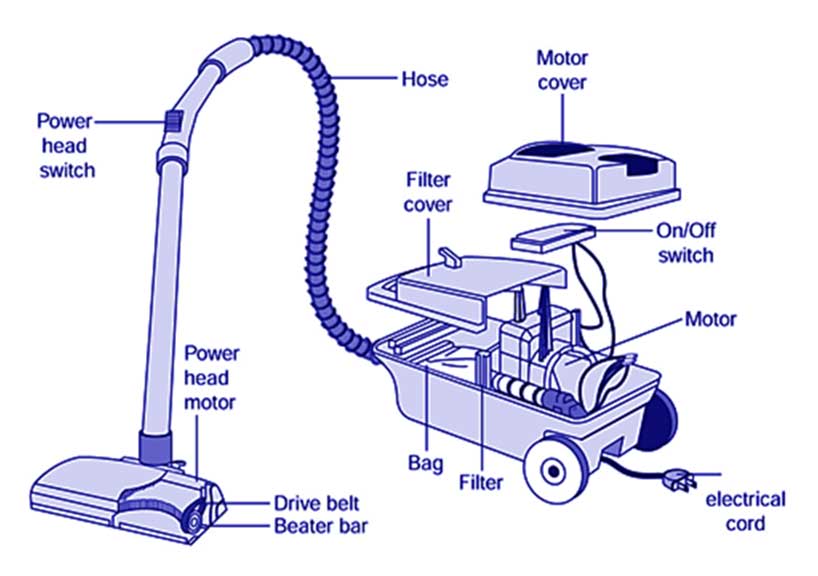
- ✦ Motor
Provides the power that drives the suction system.
- ✦ Brush Roll
Agitates carpet fibers to loosen debris.
- ✦ Filter
Prevents dust from returning to the room.
Airflow System Components
The fan, hose, intake port, dust chamber, and exhaust system create a controlled airflow path. This airflow is what allows the vacuum to pick up dirt effectively.
- ✦ Intake Port
Pulls dirt into the machine.
- ✦ Exhaust
Releases filtered air.
Parts Found in Upright, Canister, and Stick Vacuums
The answer to how many parts of a vacuum cleaner can change depending on the vacuum category. Different styles use unique components while still sharing many core systems.
Understanding these differences helps consumers choose the right vacuum for their homes.
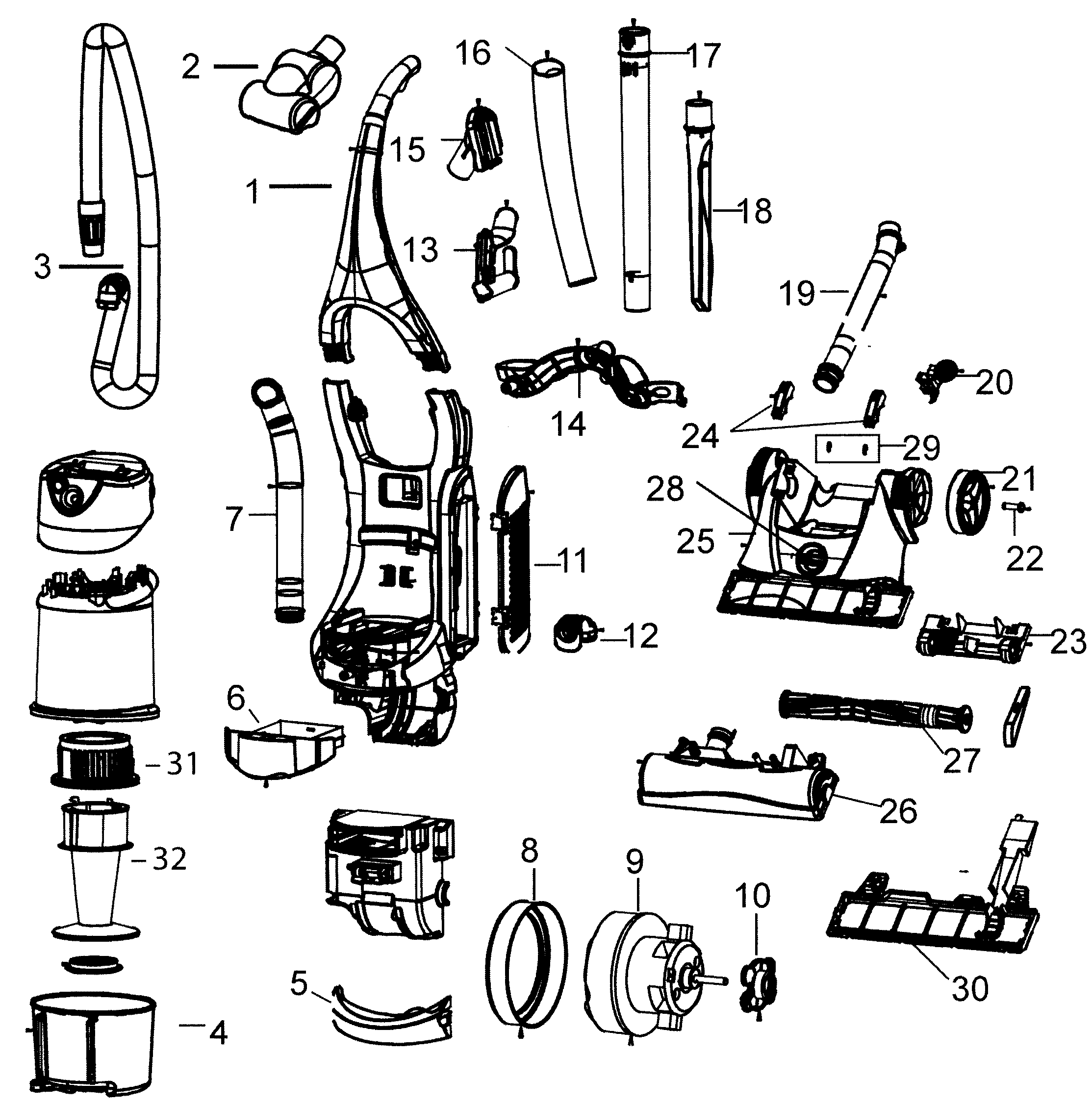
- ✦ Upright Vacuum
Often includes a large brush roll and integrated body design.
- ✦ Canister Vacuum
Separates the motor housing from the cleaning head.
- ✦ Stick Vacuum
Uses a lightweight design and compact components.
Shared Components
Despite design differences, most vacuum cleaners still use motors, filters, dust collection systems, and floor cleaning heads.
- ✦ Universal Parts
Motor, filter, dust bin, and suction pathway.
Vacuum Cleaner Attachments and Optional Parts
Many people asking how many parts of a vacuum cleaner are included forget about attachments. Accessories can add several extra components to the overall count.
These tools improve cleaning performance on furniture, stairs, corners, and delicate surfaces.

- ✦ Crevice Tool
Cleans narrow gaps and corners.
- ✦ Dusting Brush
Removes dust from shelves and electronics.
- ✦ Upholstery Tool
Cleans sofas and fabric surfaces.
Are Attachments Essential?
Most attachments are optional, but they can make cleaning much easier. Many homeowners use them regularly for detailed cleaning tasks.
- ✦ Convenience
Improves access to hard-to-reach areas.
Why Understanding Vacuum Cleaner Parts Matters
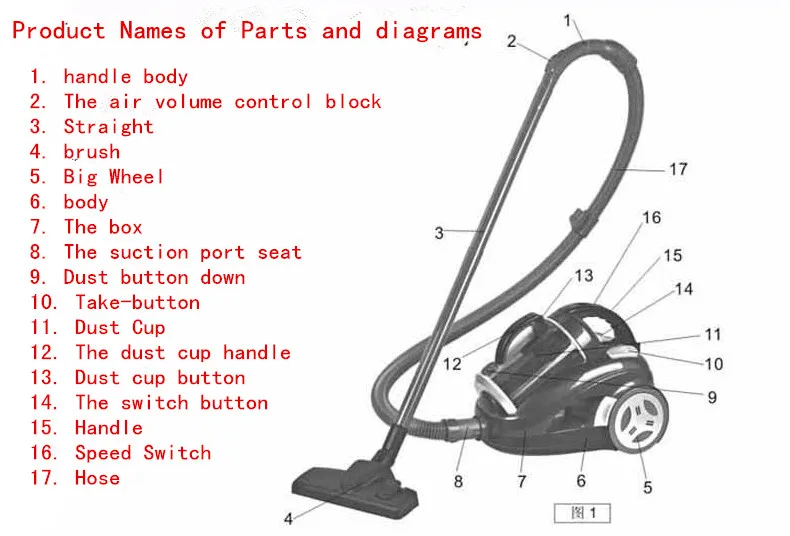
Learning how many parts of a vacuum cleaner there are can save time and money. When you recognize each component, routine maintenance becomes much simpler.
I often recommend that homeowners learn the location and purpose of key parts before a problem appears. This knowledge makes troubleshooting faster and helps avoid unnecessary repairs.
- ✦ Better Maintenance
You can clean and inspect components regularly.
- ✦ Longer Lifespan
Proper care helps parts last longer.
- ✦ Improved Performance
Clean parts maintain strong suction.
Common Parts That Need Attention
Filters, brush rolls, belts, and dust containers require regular cleaning. Neglecting these components often leads to reduced performance.
- ✦ Filters
Clean or replace as recommended.
- ✦ Brush Roll
Remove tangled hair and debris.