
How Many Volts Is a Vacuum Cleaner? Complete Voltage Guide
Many shoppers ask, “how many volts is a vacuum cleaner” when comparing models or replacing an old machine. The answer depends on whether the vacuum is corded or cordless. In most American homes, corded vacuums plug into a standard 120-volt outlet.
In my experience testing and comparing home cleaning equipment, voltage often causes confusion. People assume higher voltage always means stronger cleaning. In reality, voltage is only one part of the performance equation. Motor efficiency, airflow, brush design, and filtration also matter.

What Voltage Does a Typical Vacuum Cleaner Use?
When people ask how many volts is a vacuum cleaner, the most common answer in the United States is 120 volts. Standard wall outlets supply 120V AC power, and most corded upright, canister, and stick vacuums are designed to run on that electrical system.
Outside the United States, many countries use 220V to 240V electrical systems. Manufacturers often build different versions of the same vacuum for different regions.
Cordless vacuums work differently. They use rechargeable batteries and may operate at 12V, 18V, 20V, 24V, 25.2V, 28V, or 36V depending on the model.
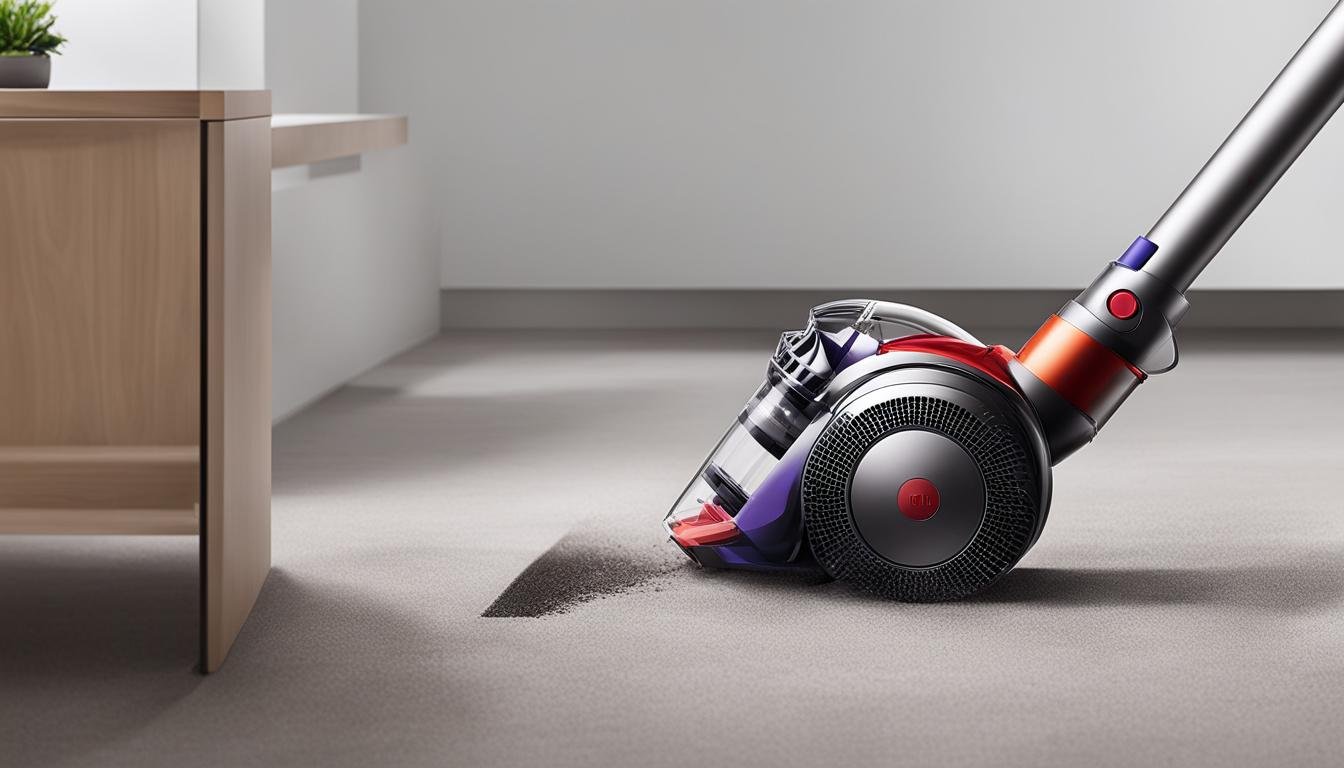
- ✦ Corded Vacuum
Usually operates on 120V household power in the United States.
- ✦ Cordless Vacuum
Typically uses battery packs ranging from 12V to 36V or more.
- ✦ International Models
Often designed for 220V to 240V electrical systems.
Understanding Voltage in Vacuum Cleaners
To understand how many volts is a vacuum cleaner, it helps to know what voltage means. Voltage is the electrical pressure that pushes electricity through the motor and other components.
A higher voltage battery can deliver more power potential, but it does not automatically guarantee better cleaning. The overall engineering of the vacuum plays a major role.
Manufacturers often advertise voltage because it is easy to compare. However, shoppers should also look at runtime, airflow, filtration quality, and brush roll performance.
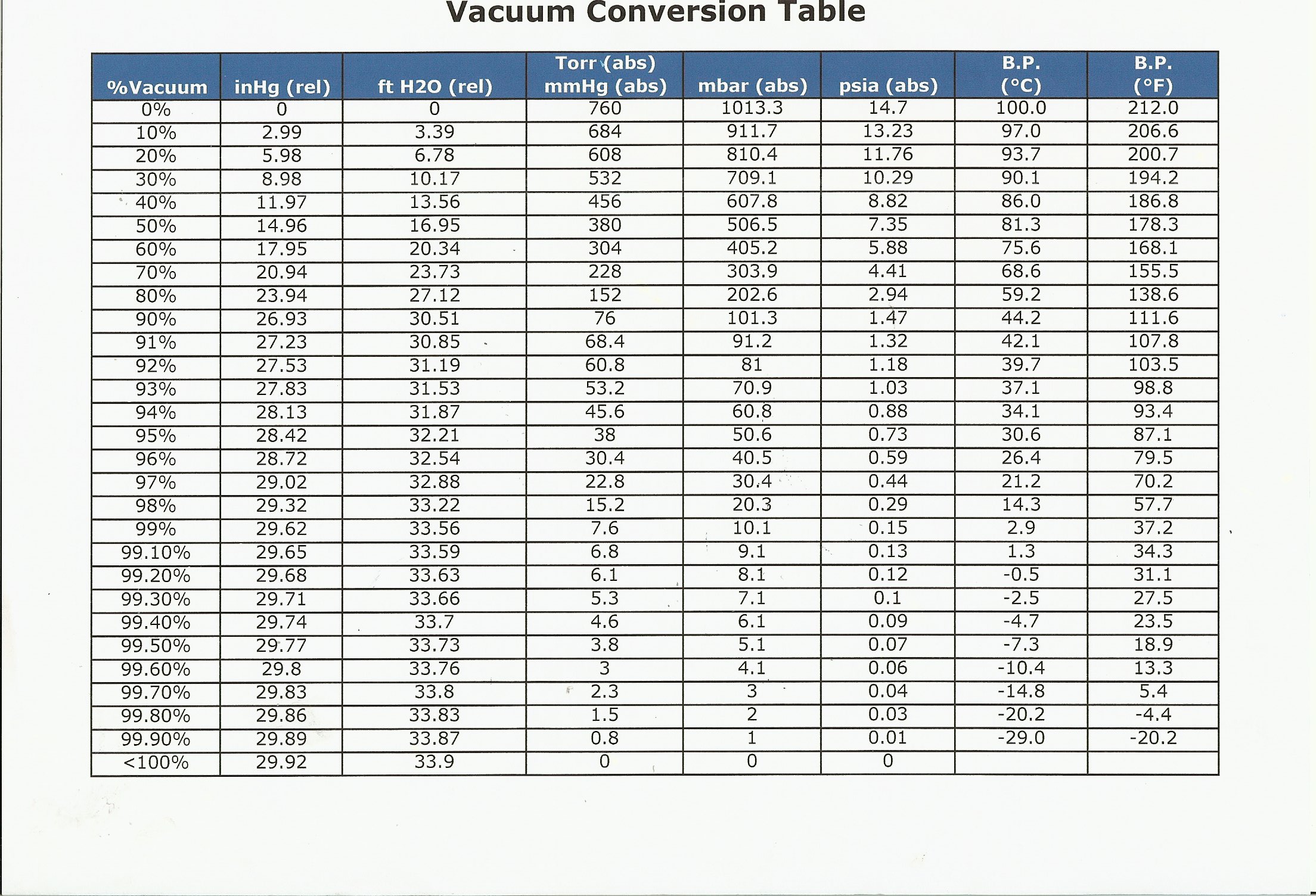
- ✦ Voltage
Measures electrical potential supplied to the vacuum.
- ✦ Motor Design
Has a major impact on actual cleaning performance.
- ✦ Airflow
Often affects pickup ability more than voltage alone.
Why Voltage Matters
Voltage helps determine how a motor receives power. A well-designed vacuum uses that power efficiently to create strong suction and airflow.
- ✦ Efficiency
Better efficiency can outperform a higher-voltage design.
Common Voltage Ranges for Cordless Vacuums
If you are researching how many volts is a vacuum cleaner in the cordless category, you will see several battery ratings. Entry-level handheld models often use 12V to 18V systems.
Mid-range cordless stick vacuums commonly operate around 20V to 25.2V. Premium units may use 28V, 36V, or other advanced battery platforms.
Higher-voltage batteries can support powerful motors, but battery quality and electronics are just as important. Some lower-voltage vacuums perform extremely well because of efficient engineering.
- ✦ 12V to 18V
Common for lightweight handheld vacuums.
- ✦ 20V to 25.2V
Popular range for household cordless stick vacuums.
- ✦ 28V to 36V+
Often found in premium performance-focused models.
Voltage vs Watts vs Amps
People researching how many volts is a vacuum cleaner often confuse volts, watts, and amps. These measurements describe different parts of electrical performance.
Voltage measures electrical pressure. Amps measure electrical current. Watts measure total power consumption. Together, these values help explain how a vacuum uses electricity.
A vacuum with a higher wattage rating may consume more energy, but that does not always translate into better carpet cleaning results.
- ✦ Volts
Electrical pressure supplied to the vacuum.
- ✦ Amps
Amount of electrical current flowing through the system.
- ✦ Watts
Overall power consumption measurement.
Simple Formula
Watts are calculated by multiplying volts by amps. This formula helps explain why different vacuum ratings may appear on product labels.
- ✦ Power Formula
Watts = Volts × Amps.
How to Find Your Vacuum’s Voltage Rating
The easiest way to determine how many volts is a vacuum cleaner is to check the rating label. Manufacturers place this label on the base, battery pack, motor housing, or power adapter.
The owner’s manual also lists electrical specifications. Many modern vacuums display voltage information directly on the battery.
If the label is missing, visit the manufacturer’s website and search using the model number.

- ✦ Rating Label
Usually provides voltage, amps, and power information.
- ✦ User Manual
Contains official electrical specifications.
- ✦ Manufacturer Website
Useful when labels are damaged or unreadable.
Does Higher Voltage Mean Better Suction?
One of the biggest myths about how many volts is a vacuum cleaner is that more volts always means more suction. That is not necessarily true.
A high-voltage battery can support a powerful motor, but poor airflow design can limit cleaning performance. Meanwhile, an efficient vacuum may clean extremely well even with a lower voltage rating.
When comparing vacuums, consider real-world cleaning tests, filtration quality, brush roll design, battery runtime, and user reviews.
- ✦ Motor Efficiency
Can be more important than voltage alone.
- ✦ Airflow Design
Strong airflow improves dirt pickup and carpet cleaning.
- ✦ Balanced Performance
The best vacuums combine power, runtime, and usability.
Choosing the Right Vacuum for Your Home
When evaluating how many volts is a vacuum cleaner, focus on your cleaning needs first. Apartment owners may prefer a lightweight cordless model, while larger homes often benefit from longer runtimes or powerful corded machines.
Pet owners should prioritize brush roll performance and filtration. Homes with thick carpet may need stronger cleaning systems than homes with mostly hard floors.
The best vacuum is not always the one with the highest voltage. It is the one that cleans effectively, fits your lifestyle, and remains reliable over time.
- ✦ Small Homes
Cordless models can provide excellent convenience.
- ✦ Large Homes
Long runtime or corded power may be preferable.
- ✦ Pet Owners
Look for strong brush rolls and effective filtration.