How Does a Wet Vacuum Cleaner Work? A Simple Guide
If you have ever cleaned a large spill with towels, you know how slow the job can feel. A wet vacuum gives you a faster way to collect water, muddy debris, and other wet messes. This makes it useful in homes, garages, workshops, cars, and commercial spaces across the U.S.
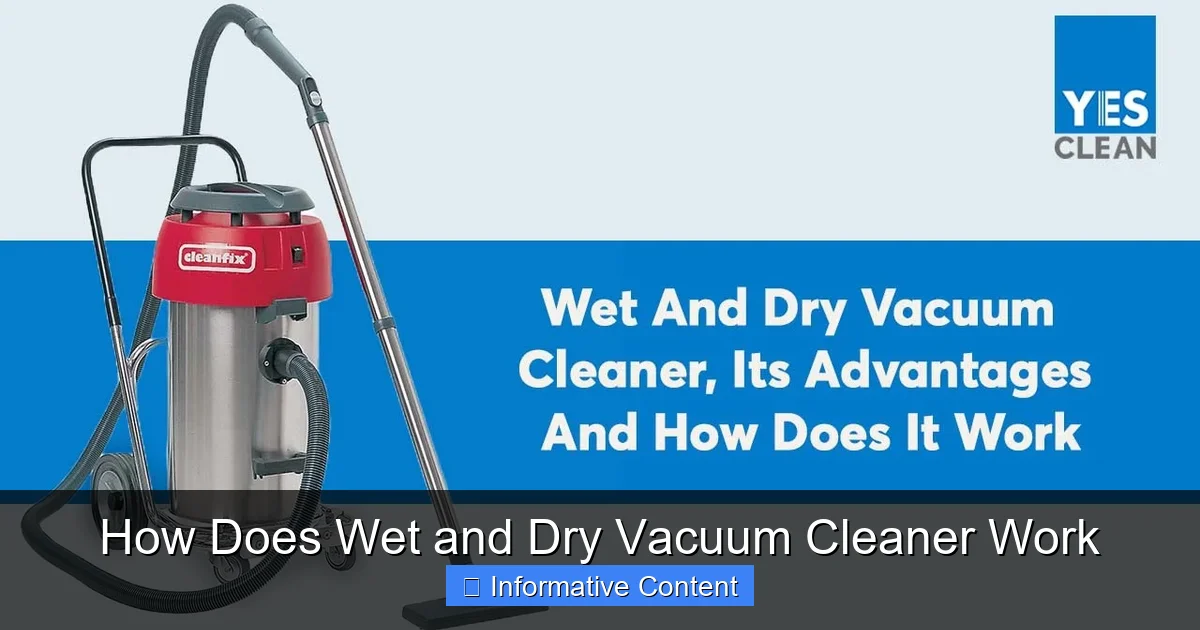
So, how does a wet vacuum cleaner work? The basic idea is simple. An electric motor drives a fan that lowers air pressure inside the machine. Air then rushes through the hose and carries water and debris into the collection tank. A separator or float system helps keep the liquid away from the motor.
The design may look much like a regular vacuum, but the liquid path is different. A wet vacuum does not simply suck water into the same filter system used for dry dust. It sends the wet material into a tank built to hold liquid.
How Does a Wet Vacuum Cleaner Work?
To understand how does a wet vacuum cleaner work, start with airflow. The electric motor spins a fan at high speed. This creates lower pressure inside the vacuum than the pressure around the nozzle. Air then moves toward the lower-pressure area and carries water and dirt with it.
The hose brings the wet material into the main tank. Inside the tank, the airflow slows down, so much of the water and heavier debris drops out of the air stream. The cleaner then sends the remaining air toward the motor and exhaust area.
A wet vacuum must also control the liquid level. Many models use a float valve or another automatic shutoff system. When the tank gets too full, the float rises and restricts airflow or activates a shutoff. This helps prevent water from reaching the motor.
This basic process explains why a wet vacuum can collect both liquid and solid debris. It uses suction for pickup, a tank for collection, and a protective system to keep liquid out of parts that should stay dry.
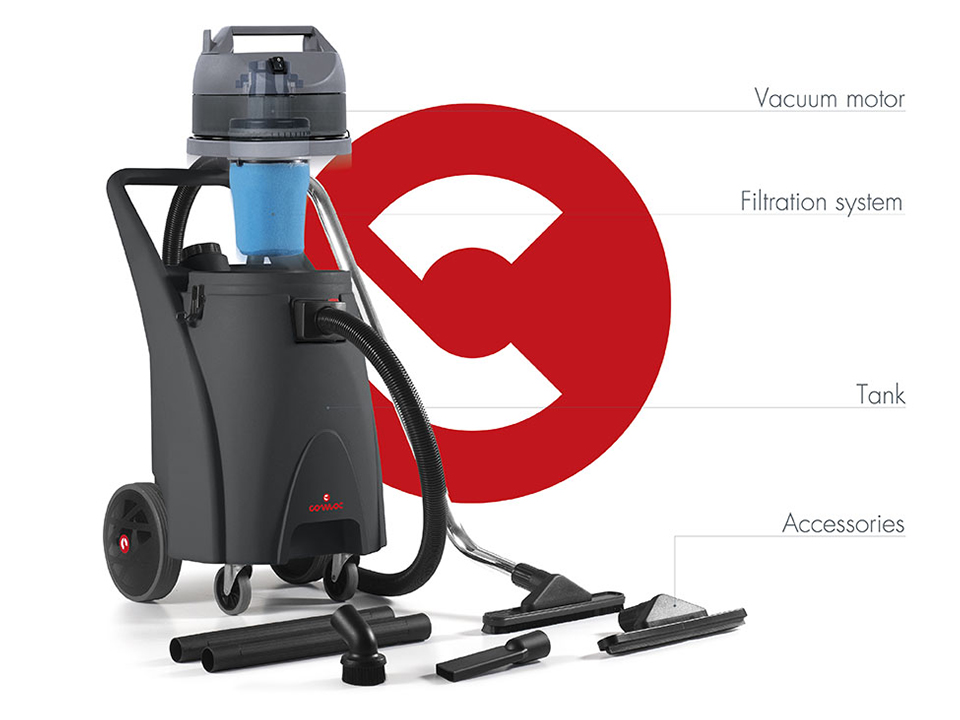
- ✦ Motor
The motor powers the fan that creates the airflow needed for suction.
- ✦ Fan
The fan moves air through the vacuum and helps create the pressure difference that pulls in water and debris.
- ✦ Hose
The hose carries air, liquid, and loose debris from the cleaning surface to the tank.
- ✦ Collection tank
The tank holds the water and debris removed from the floor, carpet, vehicle, or other surface.
- ✦ Float shutoff
The float system helps stop or reduce suction when the liquid level becomes too high.
What Happens Inside a Wet Vacuum?
The inside of a wet vacuum may seem complex, but the cleaning cycle follows a clear path. First, air and material enter through the nozzle. The hose guides that mixture into the tank, where water and heavier particles separate from the moving air.
The tank acts as a simple separation chamber. Water collects at the bottom while air continues through the upper part of the machine. This keeps most of the liquid away from the motor compartment.
The exact design varies by model. Some machines use special baffles, chambers, filters, or separators to manage airflow and debris. The goal remains the same: collect the wet mess while allowing clean air to pass through the machine.
Understanding this path also explains why the tank needs regular emptying. A full tank leaves less room for incoming water and can trigger the float shutoff before the job is complete.
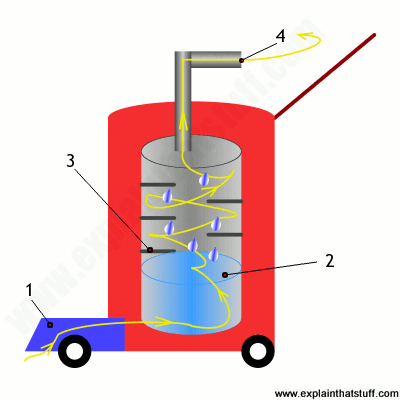
- ✦ Step 1: Pickup
The nozzle pulls air, water, and loose debris from the surface.
- ✦ Step 2: Transport
The hose carries the mixture into the collection tank.
- ✦ Step 3: Separation
Water and heavy debris settle in the tank as airflow slows.
- ✦ Step 4: Air movement
The remaining air moves toward the motor and exhaust path.
- ✦ Step 5: Shutoff
A float or similar system can stop airflow when the tank reaches its limit.
Why the Motor Must Stay Protected
The motor is the heart of the vacuum, but it is not meant to sit in collected water. Electrical parts and water can create serious hazards and can damage the machine. That is why wet vacuums separate the collection area from the motor area.
A working float shutoff adds another layer of protection. It is still important to follow the owner’s manual because protection systems differ between models.
How Does a Wet and Dry Vacuum Differ From a Regular Vacuum?
A regular household vacuum is mainly designed for dry dirt. It uses a dust bin or bag and a filter system that keeps dust from reaching the motor and returning to the room. Water can damage these parts or create other problems if the machine is not designed for liquid pickup.
A wet and dry vacuum is built for both dry debris and liquid pickup. Its collection tank can hold water, while its internal design manages airflow and protects the motor during wet cleaning.
This difference matters when choosing a vacuum for your home. If you often deal with spilled drinks, wet entryways, clogged drains, garage messes, or small amounts of standing water, a wet-capable machine can be useful.
Do not assume that every vacuum can handle water. Always check the model instructions before using liquid pickup. A standard vacuum may look similar to a wet vacuum but can have very different internal parts.
- ✦ Regular vacuum
Designed mainly for dry dust, dirt, hair, crumbs, and other dry debris.
- ✦ Wet vacuum
Designed to collect liquid and wet debris in a dedicated collection tank.
- ✦ Wet and dry vacuum
Designed to switch between dry debris pickup and approved liquid pickup.
- ✦ Filter needs
The correct filter setup can differ between dry and wet cleaning, so follow the manufacturer’s instructions.
What Can a Wet Vacuum Cleaner Pick Up?
A wet vacuum works well for many messes that are difficult to collect with a dry vacuum. Common examples include water spills, wet soil, small amounts of standing water, and liquid left after cleaning a carpet or hard floor.
Many U.S. households also use wet and dry vacuums in garages, basements, workshops, and vehicles. These spaces often collect a mix of dust, leaves, mud, sawdust, and liquid. One machine can handle many of these jobs when the manufacturer allows them.
The nozzle also affects performance. A wide floor nozzle can collect liquid from a large area, while a narrow tool can reach corners and small spaces. Using the right attachment can make the job faster and reduce repeated passes.
- ✦ Liquid spills
Many wet vacuums can collect water and other approved nonflammable liquids.
- ✦ Wet carpets
Some machines can remove water from carpets after cleaning or a spill when used as directed.
- ✦ Garage debris
Wet and dry models can often collect dirt, leaves, sawdust, and other loose debris.
- ✦ Vehicle cleanup
A wet-capable vacuum can help remove water and loose debris from suitable vehicle surfaces.
- ✦ Basement water
Some wet vacuums can collect limited standing water, but larger floods may require professional water-removal equipment.
Liquids You Should Not Vacuum
Not every liquid is safe for a wet vacuum. Flammable liquids, solvents, fuels, and chemicals can create fire, toxic vapor, or equipment hazards. The vacuum’s manual should state which liquids the model can safely collect.
Never treat a wet vacuum as a general-purpose chemical cleanup tool. For unknown, hazardous, or contaminated liquids, use the proper cleanup process and protective equipment.
- ✦ Flammable liquids
Do not vacuum gasoline, fuel, or other flammable liquids unless the equipment is specifically designed and approved for that use.
- ✦ Harsh chemicals
Strong chemicals may damage the vacuum or create unsafe vapors.
- ✦ Unknown liquids
If you do not know what a liquid contains, avoid using a household wet vacuum on it.
How Does a Wet Vacuum Cleaner Work on Carpets?
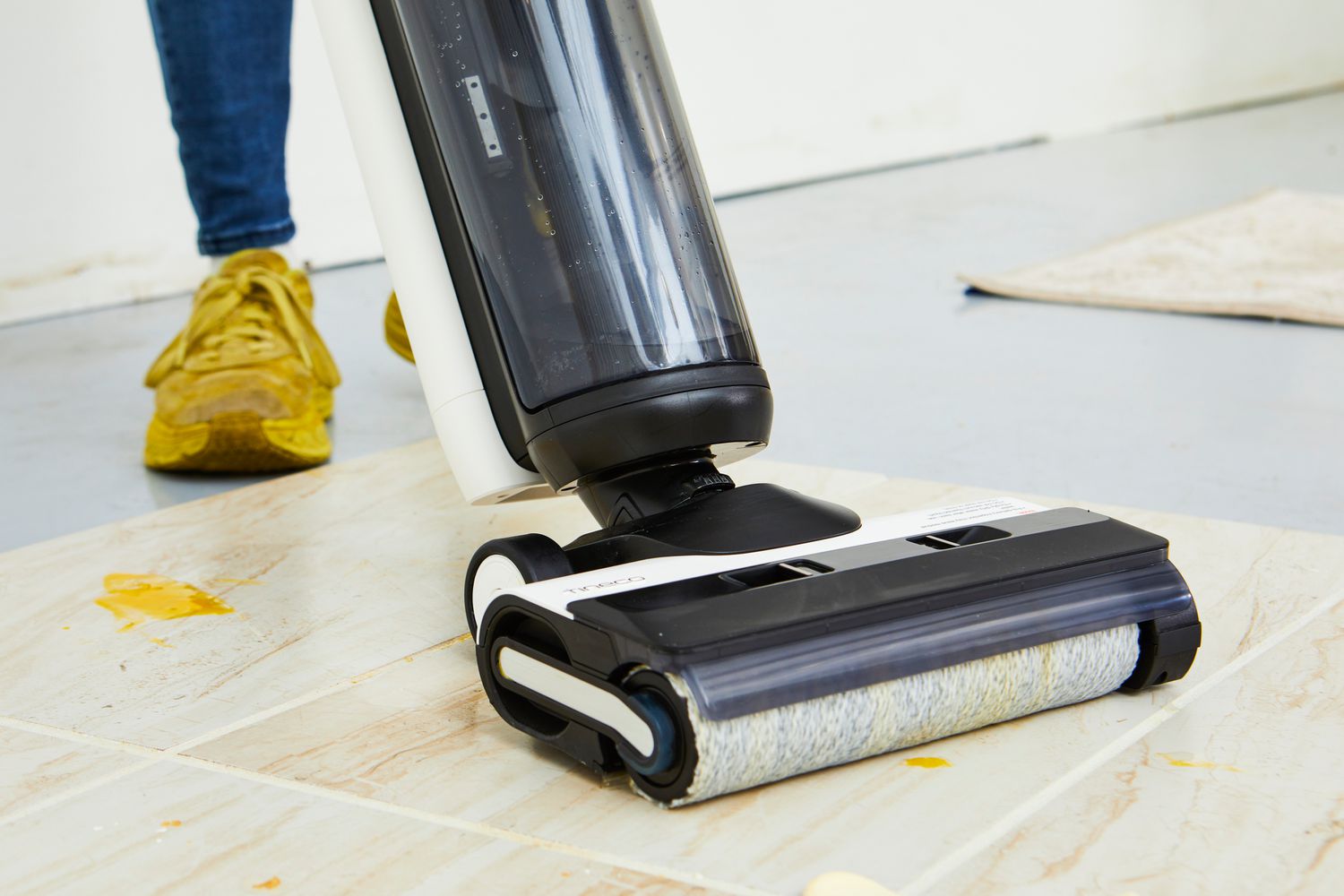
When used on an approved carpet surface, a wet vacuum pulls water from the carpet fibers through suction. The nozzle creates an airflow path that draws moisture and loosened dirt toward the hose. The collected liquid then enters the recovery tank.
This process can help remove excess water after carpet washing or a spill. The vacuum does not simply make the carpet dry at once. It removes a portion of the liquid, and the remaining moisture still needs time and airflow to evaporate.
For carpet cleaning, tool design matters. A nozzle that sits close to the carpet can improve contact with the wet surface. Slow, controlled passes can also help the machine remove more moisture than quick passes.
- ✦ Prepare the area
Remove loose objects and deal with the source of the spill when it is safe to do so.
- ✦ Use the correct tool
Choose a wet pickup nozzle or carpet tool approved for your vacuum and surface.
- ✦ Make controlled passes
Move the tool at a steady pace so the vacuum has time to pull moisture from the carpet.
- ✦ Empty the tank
Stop and empty the recovery tank when it reaches the level allowed by the manufacturer.
Why Does a Wet Vacuum Stop When the Tank Gets Full?
A wet vacuum may suddenly lose suction when the collection tank reaches its safe limit. This is often normal. Many models use a float mechanism that rises as the water level increases.
When the float reaches a certain height, it can block the airflow or activate another shutoff system. The change may sound like a loss of suction, but it serves an important purpose. It helps prevent collected water from moving into the motor area.
If this happens, turn off the vacuum and follow the manufacturer’s instructions for emptying the tank. Do not keep running the machine while the float is engaged unless the manual specifically says that the model can operate that way.

- ✦ Water level rises
Liquid builds up inside the collection tank during wet pickup.
- ✦ Float rises
The float moves upward as the liquid approaches the tank’s limit.
- ✦ Airflow changes
The float can restrict airflow or trigger a shutoff.
- ✦ Vacuum stops or loses suction
This signals that the tank needs attention before wet pickup continues.
How to Use a Wet Vacuum Cleaner Safely
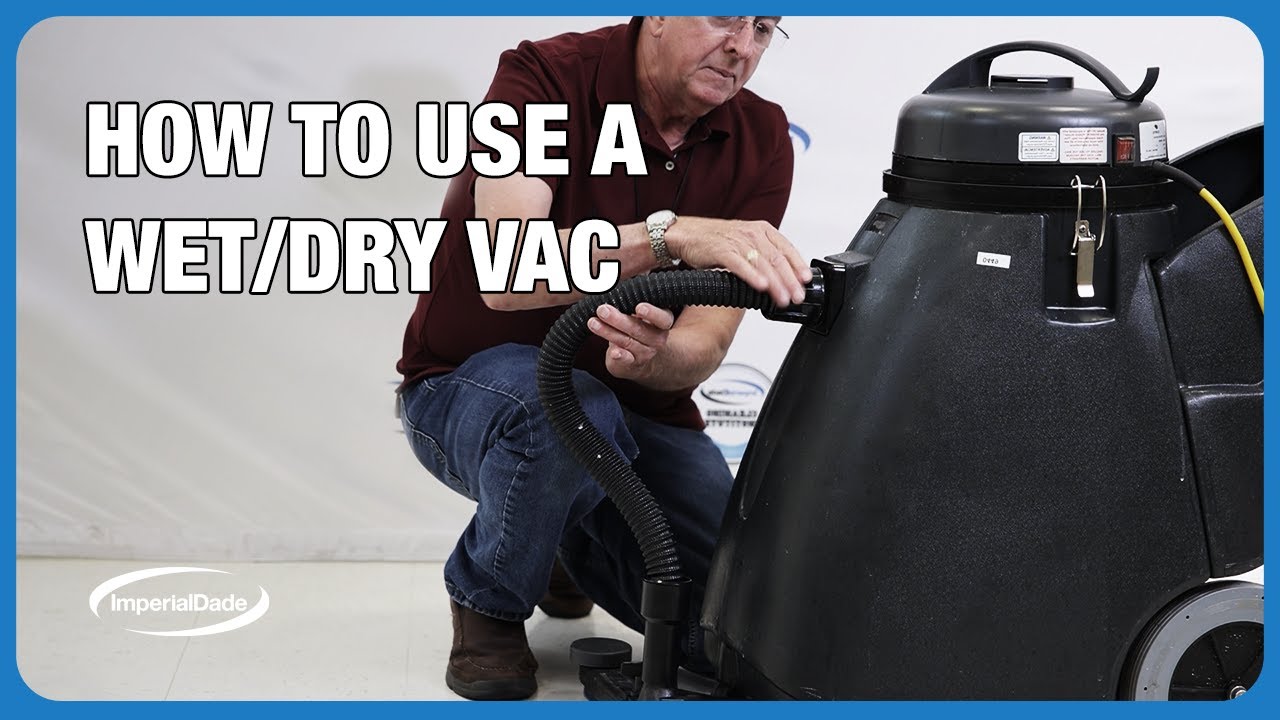
Knowing how does a wet vacuum cleaner work is only part of safe use. You also need to prepare the machine correctly. Check the manual before the first wet pickup because filter, float, hose, and attachment designs vary by model.
Keep electrical connections and plugs away from standing water. Use the power source and extension setup allowed by the manufacturer. Stop the machine if you notice an unusual smell, sound, heat, or loss of normal airflow.
Good maintenance also matters. After wet use, empty the tank and clean the parts that the manufacturer says to wash or rinse. Let washable parts dry fully before storing them or switching back to dry vacuuming.
- ✦ Read the manual
Confirm that your specific vacuum supports wet pickup and learn its filter and tank requirements.
- ✦ Check the tank
Make sure the tank and drain system are in good condition before starting.
- ✦ Use the correct filter setup
Some models require a different filter arrangement for wet and dry pickup.
- ✦ Watch the fill level
Stop and empty the tank when the float or manufacturer’s fill limit indicates that it is full.
- ✦ Dry the machine
Clean and dry the appropriate parts after wet pickup to reduce odor and moisture problems.
- ✦ Store it safely
Keep the vacuum in a dry place with the tank and washable parts cared for as directed.
Common Mistakes to Avoid
One common mistake is using the same filter setup for every job without checking the manual. Another is leaving dirty water in the tank after use. Both can reduce performance and make cleaning harder later.
People also sometimes keep running the vacuum after the full-tank shutoff activates. That can defeat the purpose of the protection system. When suction changes sharply during wet pickup, stop the machine and check the tank.
- ✦ Ignoring the manual
Different wet vacuums have different rules for filters, liquids, tools, and maintenance.
- ✦ Overfilling the tank
A full tank can trigger the float and may cause problems if the warning is ignored.
- ✦ Leaving dirty water inside
Standing dirty water can cause odors and make the machine harder to clean.
- ✦ Using the wrong filter
The wrong filter setup can affect airflow and may damage the filter.
Wet Vacuum Cleaner Benefits and Limitations
A wet vacuum can be a very useful tool when a normal vacuum cannot handle the mess. Its biggest strength is versatility. One machine may handle dry debris, liquid spills, workshop dirt, vehicle cleanup, and other approved tasks.
Still, a wet vacuum is not the right tool for every job. Large floods, hazardous liquids, sewage, and specialized restoration work may need equipment made for those conditions. A household wet vacuum also has a limited tank size and may require frequent emptying during large jobs.
The best way to judge a wet vacuum is to match its design to the work you need to do. Look at tank size, hose diameter, suction performance, filter design, drain setup, attachments, and the types of liquids the manufacturer allows.
- ✦ Versatile cleanup
Wet and dry models can handle both approved liquid and dry debris tasks.
- ✦ Fast spill pickup
Suction can remove liquid much faster than using towels alone for many larger spills.
- ✦ Useful in work areas
Garages, workshops, basements, and vehicles can benefit from a machine built for mixed debris.
- ✦ Limited tank capacity
Large amounts of water may require repeated emptying or larger equipment.
- ✦ Not for every liquid
Hazardous, flammable, or unknown liquids may require specialized cleanup methods.
When a Wet Vacuum Makes Sense
A wet vacuum makes sense when your cleaning needs change from day to day. It can be especially useful for people who need one machine for a garage, workshop, vehicle, basement, or home spill.
It can also save time after certain cleaning jobs because it removes water instead of forcing you to soak it up by hand. The key is to use the machine only for jobs listed in its instructions.
How to Maintain a Wet Vacuum for Reliable Performance
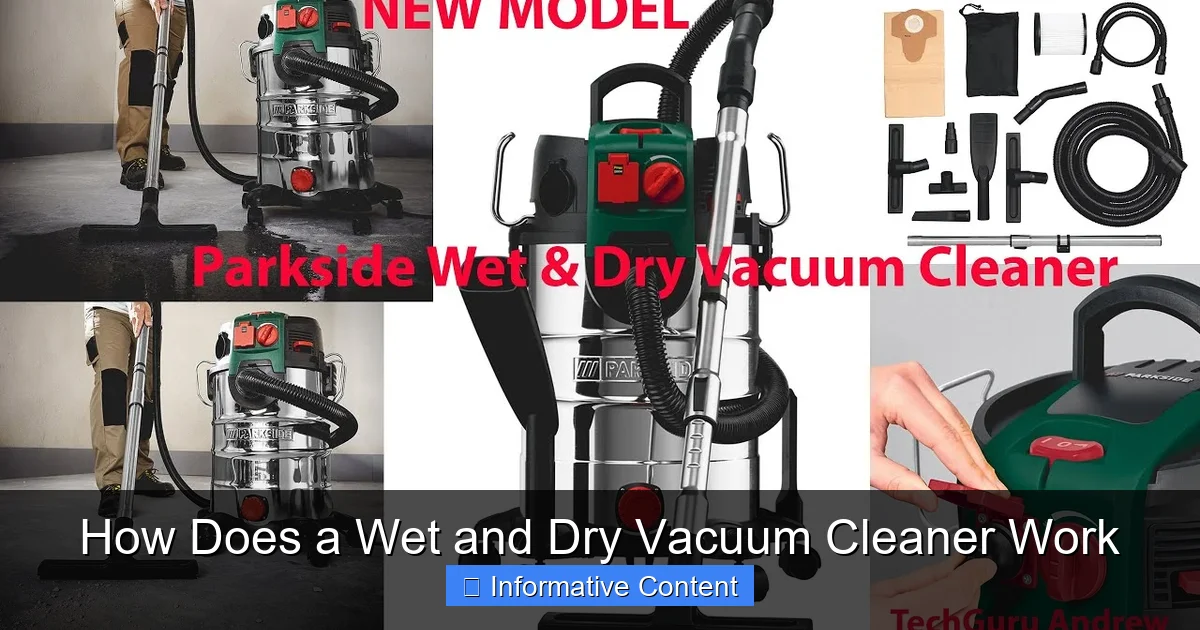
Maintenance starts after the job ends. Empty the collection tank and clean it according to the manual. Remove dirt from the hose, nozzle, and other parts when needed so old debris does not block airflow.
Filters need special care because their cleaning and replacement rules vary. Some filters can be washed, while others must stay dry or need replacement after becoming dirty. Never assume that a filter is washable just because it looks washable.
Check the hose, seals, float, power cord, and tank for signs of damage. Small cracks or leaks can reduce suction and create safety concerns. Regular checks are much easier than finding a problem in the middle of a spill.
- ✦ Empty the tank
Remove collected water and debris after wet jobs as directed by the manufacturer.
- ✦ Clean the hose
Clear the hose and nozzle when debris builds up or airflow becomes weak.
- ✦ Care for the filter
Clean or replace the filter according to the model’s instructions.
- ✦ Inspect the float
Make sure the float mechanism can move freely and is not blocked by dirt.
- ✦ Check seals and cords
Look for cracks, worn seals, or cord damage before the next use.