How to Use a Drill Machine: Complete Beginner-to-Pro Guide for Safe and Accurate Drilling
learning how to use a drill machine is one of the most useful DIY skills. Whether you are hanging shelves, building furniture, or completing home repairs, a drill can save time and effort. Many homeowners in the United States keep a drill as their most-used power tool.
In my experience working on home improvement projects, the biggest difference between a clean result and a damaged surface is proper technique. Once you understand drill settings, safety rules, and bit selection, using a drill machine becomes simple and enjoyable.

Understanding a Drill Machine and Its Parts
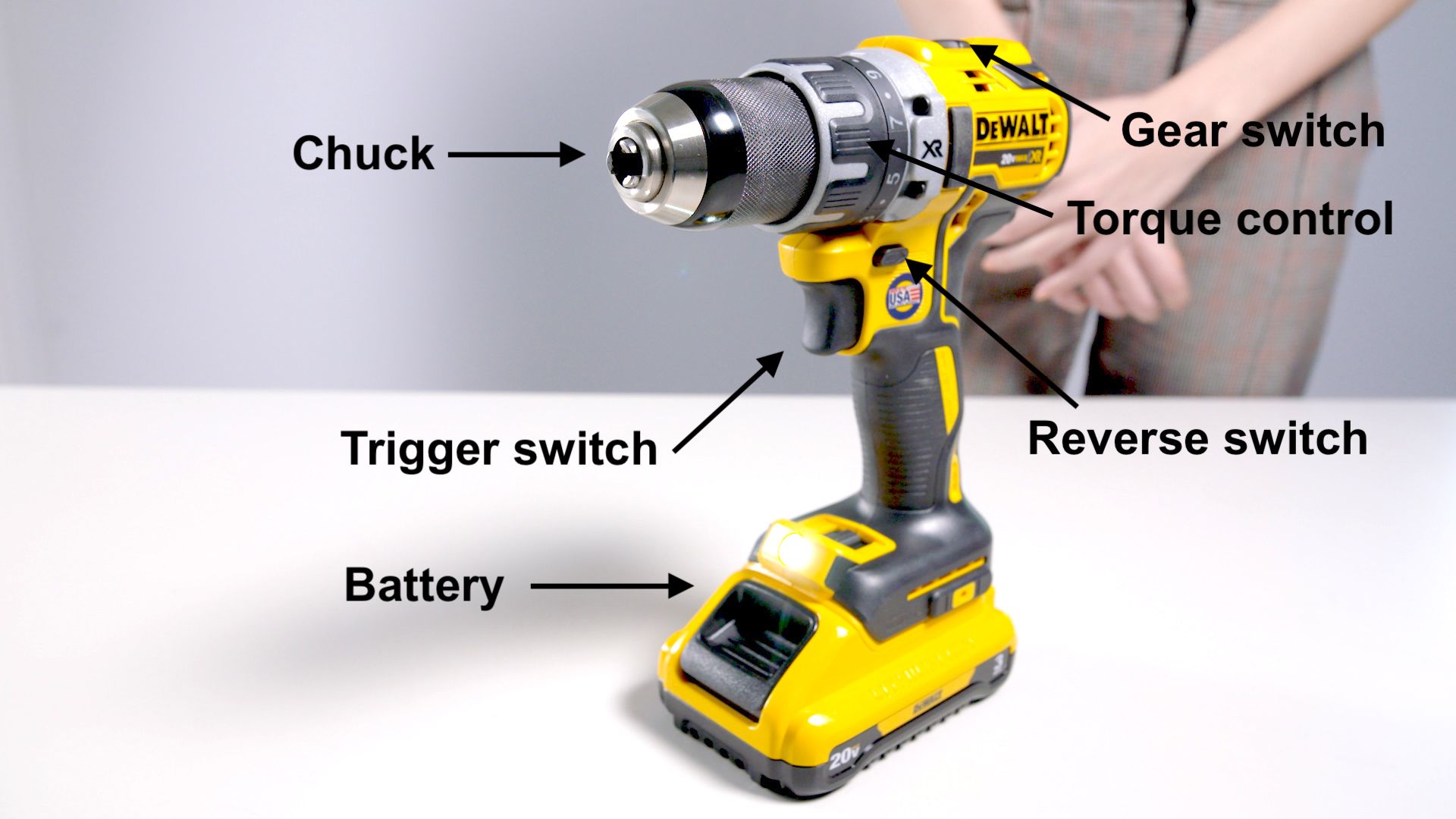
Before learning how to use a drill machine, it helps to understand its basic parts. Most drills include a chuck, trigger, forward and reverse switch, speed selector, handle, and battery or power cord.
The chuck holds the drill bit. The trigger controls speed. Many modern drills also include a clutch that helps prevent stripping screws and damaging materials.
- ✦ Chuck
Holds and secures the drill bit.
- ✦ Trigger
Controls drill speed and operation.
- ✦ Clutch
Helps manage torque when driving screws.
- ✦ Forward and Reverse Switch
Changes drilling or screw-removal direction.
Corded vs Cordless Drills
Corded drills provide continuous power and work well for heavy-duty jobs. Cordless drills offer portability and convenience for most household projects.
- ✦ Corded Drill
Best for long work sessions and demanding tasks.
- ✦ Cordless Drill
Ideal for home repairs, furniture assembly, and DIY projects.
Essential Safety Rules Before You Start
Safety should always come first when learning how to use a drill machine. Even a small drill can cause injury if used carelessly.
Inspect the drill before each use. Make sure the bit is tight and the tool is in good condition. Remove loose jewelry and tie back long hair.
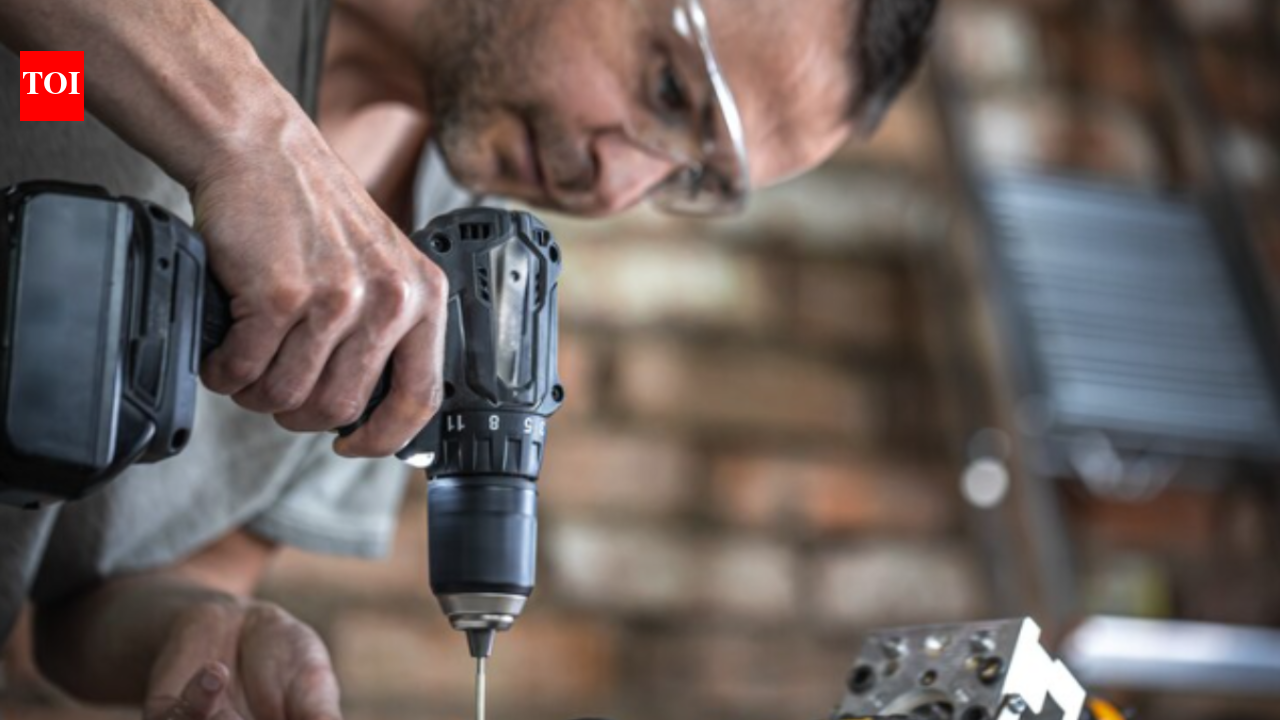
- ✦ Wear Safety Glasses
Protect your eyes from dust and flying debris.
- ✦ Secure Materials
Use clamps to prevent movement while drilling.
- ✦ Check for Utilities
Avoid drilling into hidden wires, pipes, or gas lines.
Creating a Safe Workspace
Keep the work area clean and well lit. Remove clutter that may cause slips or interfere with drill operation.
- ✦ Good Lighting
Improves visibility and drilling accuracy.
How to Choose the Right Drill Bit
Choosing the correct bit is a critical step in how to use a drill machine properly. Different materials require different drill bits.
Using the wrong bit can damage the material, reduce accuracy, and shorten the life of the drill.

- ✦ Wood Bits
Designed for clean holes in wood and plywood.
- ✦ Masonry Bits
Used for concrete, brick, and stone surfaces.
- ✦ Metal Bits
Suitable for steel, aluminum, and other metals.
- ✦ Driver Bits
Used for installing and removing screws.
Selecting the Correct Size
Match the bit diameter to the hole or fastener size needed. Always verify measurements before drilling.
- ✦ Pilot Holes
Start with a smaller bit for improved accuracy.
Step-by-Step Guide on How to Use a Drill Machine
If you are wondering exactly how to use a drill machine, follow a simple process. This method works for most common drilling jobs around the home.
Take your time and focus on control rather than speed. Accurate drilling produces better results and reduces mistakes.
- ✦ Step 1
Insert and tighten the correct drill bit.
- ✦ Step 2
Mark the drilling location with a pencil.
- ✦ Step 3
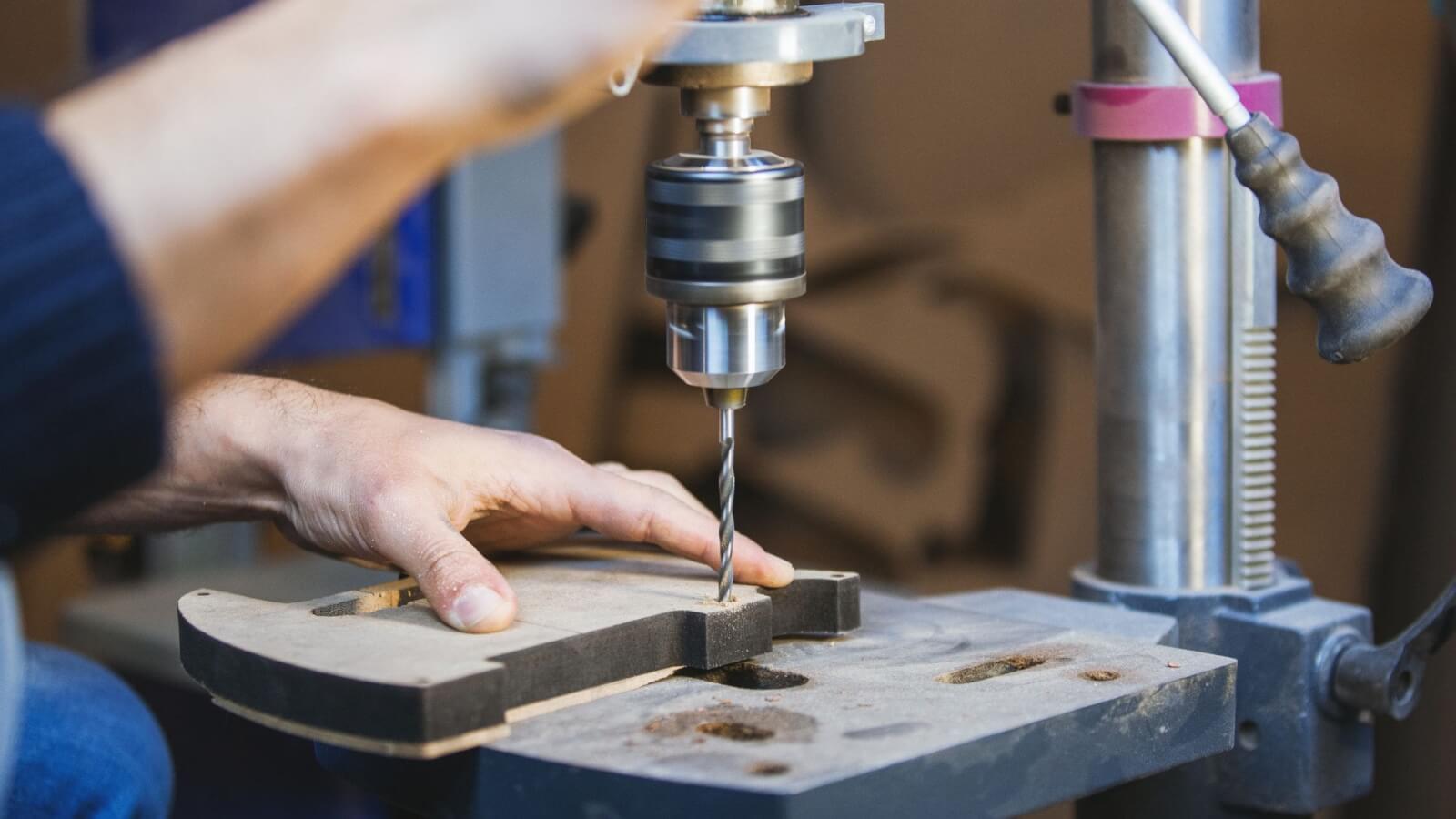
Secure the workpiece with clamps if possible.
- ✦ Step 4
Hold the drill perpendicular to the surface.
- ✦ Step 5
Start slowly and increase speed gradually.
- ✦ Step 6
Apply steady pressure until the hole is complete.
Maintaining Control During Drilling
Grip the drill firmly with both hands when possible. Keep your wrist straight and maintain balance throughout the process.
- ✦ Steady Pressure
Let the bit cut naturally without forcing it.
Drilling Into Different Materials
A key part of understanding how to use a drill machine is knowing that each material behaves differently. Wood, metal, and masonry require different speeds and bits.
Using proper settings improves results and helps prevent broken bits or damaged surfaces.
- ✦ Wood
Use moderate speed and sharp wood bits.
- ✦ Metal
Use slower speeds and cutting oil when needed.
- ✦ Concrete
Use masonry bits and hammer-drill mode if available.
Tips for Clean Holes
Place masking tape on delicate surfaces before drilling. This can reduce chipping and improve hole placement accuracy.
- ✦ Pilot Hole
Improves precision and reduces wandering.
Common Mistakes to Avoid
Many beginners struggle when learning how to use a drill machine because of a few simple mistakes. Fortunately, most are easy to avoid.
Good technique protects both the tool and the workpiece. It also improves confidence and results.

- ✦ Using Excessive Force
Can damage the bit and create rough holes.
- ✦ Wrong Bit Selection
Reduces efficiency and may damage materials.
- ✦ Skipping Safety Gear
Increases risk of injury.
- ✦ Drilling Too Fast
Can overheat bits and reduce accuracy.
Building Better Drilling Habits
Practice on scrap wood before working on finished projects. Small improvements in technique make a big difference.
- ✦ Practice First
Develop confidence before tackling important projects.
Maintaining Your Drill Machine
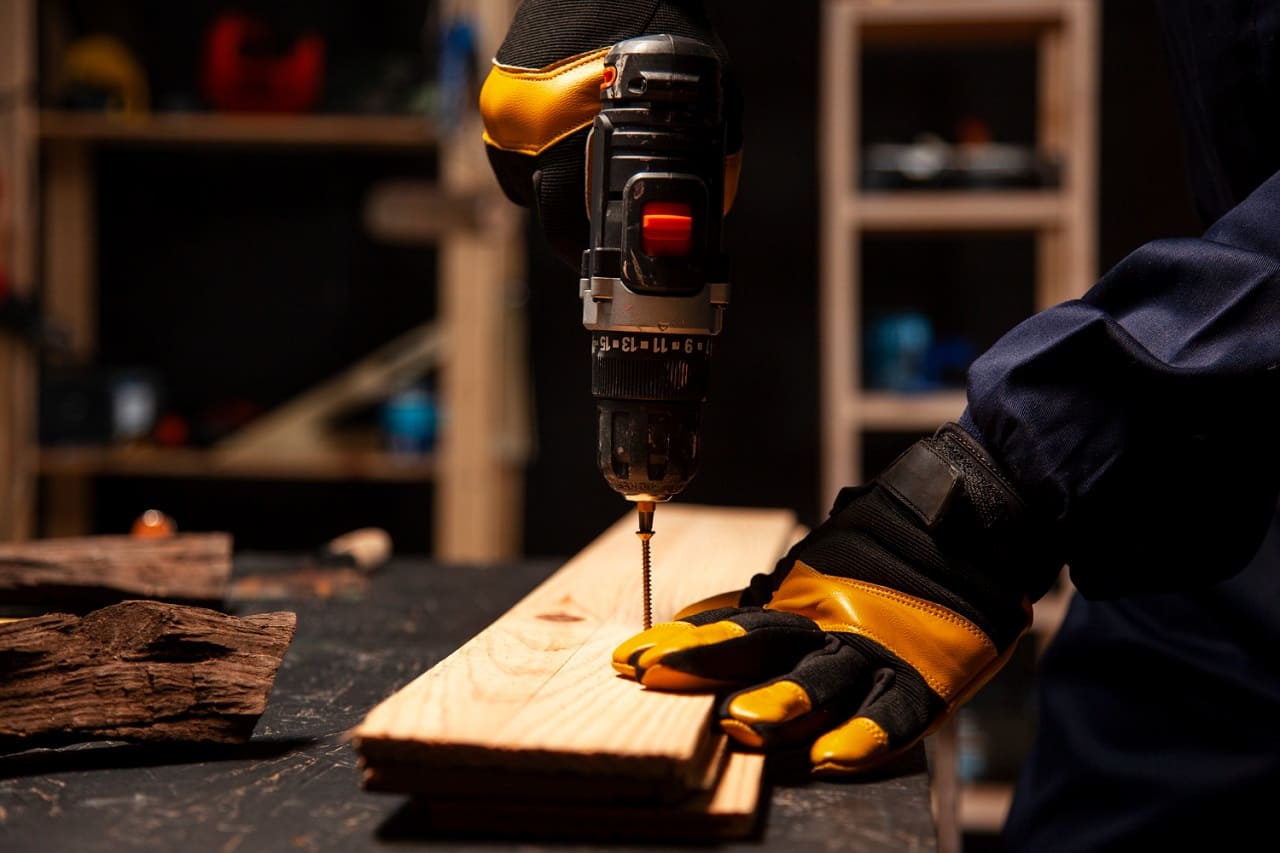
Proper maintenance helps your drill perform better and last longer. Clean the drill after each use and store it in a dry location.
Regular inspection can identify worn bits, loose components, and battery issues before they become serious problems.
- ✦ Clean After Use
Remove dust and debris from vents and surfaces.
- ✦ Store Properly
Keep the drill in a protective case when possible.
- ✦ Inspect Bits
Replace dull or damaged bits promptly.
Battery Care for Cordless Drills
Avoid storing batteries completely discharged. Follow manufacturer charging recommendations for the best lifespan.
- ✦ Charge Correctly
Proper charging helps maintain battery performance.