How to Use Drilling Machine at Home: A Complete Beginner-Friendly Guide
Learning how to use drilling machine at home is one of the most useful DIY skills. A drill can help you hang shelves, assemble furniture, mount TVs, install curtain rods, and complete many home improvement projects.
In my experience working on home projects, most drilling mistakes happen because people rush the setup stage. When you choose the correct drill bit, mark the drilling point carefully, and use proper technique, drilling becomes simple, safe, and accurate.

Understanding a Drilling Machine Before You Start
Before learning how to use drilling machine at home, it helps to understand the basic parts. Most home drills have a trigger, chuck, speed selector, direction switch, and handle.
Cordless drills are popular in American homes because they are easy to carry and use. Corded drills provide continuous power and work well for larger projects.
Knowing what each control does will make drilling easier and help you avoid mistakes.

- ✦ Chuck
Holds the drill bit securely in place.
- ✦ Trigger
Controls drilling speed and power.
- ✦ Direction Switch
Changes rotation from forward to reverse.
- ✦ Speed Selector
Allows adjustment for different materials and tasks.
Common Types of Home Drills
A cordless drill works well for most household jobs. Hammer drills are useful when drilling into concrete or masonry. Impact drivers are designed mainly for driving screws and fasteners.
- ✦ Cordless Drill
Best all-around option for home use.
- ✦ Hammer Drill
Designed for brick, stone, and concrete surfaces.
Safety Rules for Using a Drill at Home
Safety should always come first when learning how to use drilling machine at home. A drill spins at high speed and can cause injuries if used carelessly.
Wear safety glasses every time you drill. Flying debris, wood chips, or dust can enter your eyes within seconds.
Keep loose clothing, jewelry, and long hair away from moving parts. Also make sure children and pets stay clear of the work area.
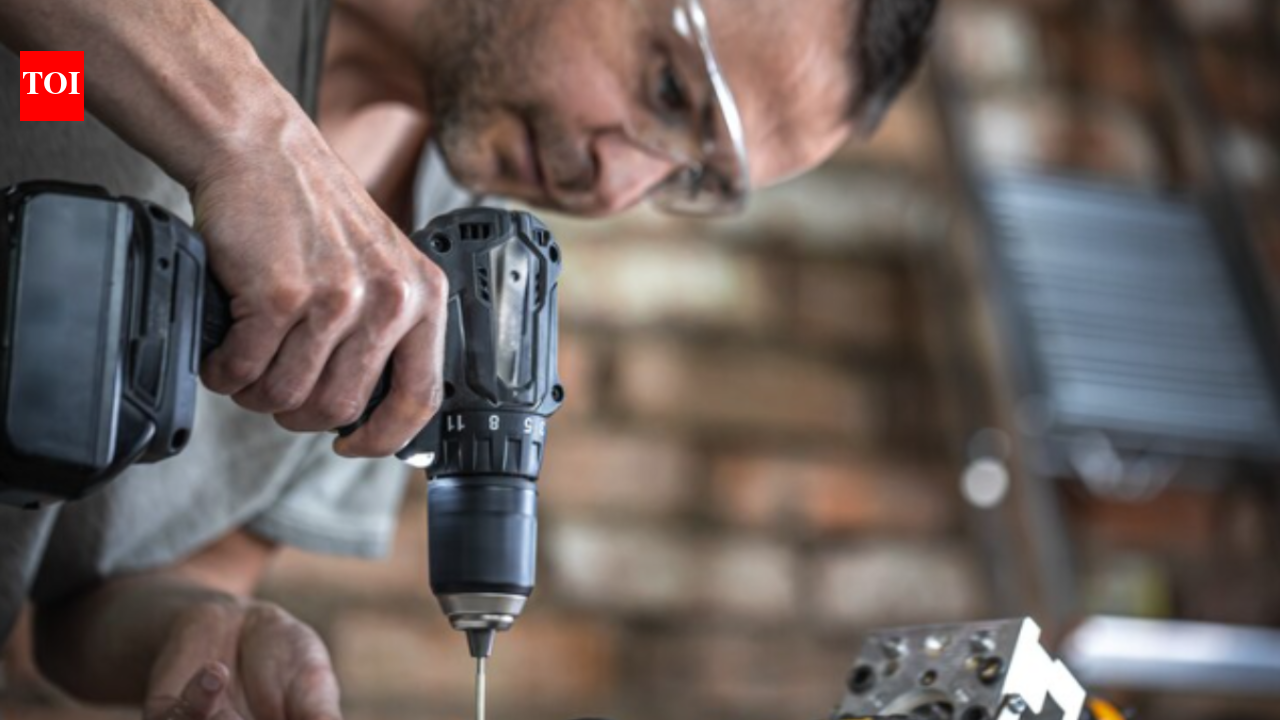
- ✦ Wear Eye Protection
Protect your eyes from dust and debris.
- ✦ Inspect the Drill
Check the battery, cord, and chuck before use.
- ✦ Secure Materials
Use clamps whenever possible.
Check for Hidden Hazards
Before drilling into walls, check for electrical wires, plumbing pipes, and HVAC components. A stud finder with wire detection can help prevent costly damage.
- ✦ Use a Stud Finder
Locate studs and avoid hidden obstacles.
How to Use Drilling Machine at Home Step by Step
If you want to know exactly how to use drilling machine at home, follow a simple process. Good preparation leads to better results.
Start by selecting the right drill bit for the material. Wood, metal, masonry, and plastic all require different bits.
Mark the drilling location with a pencil. This helps keep the hole accurate and prevents slipping.
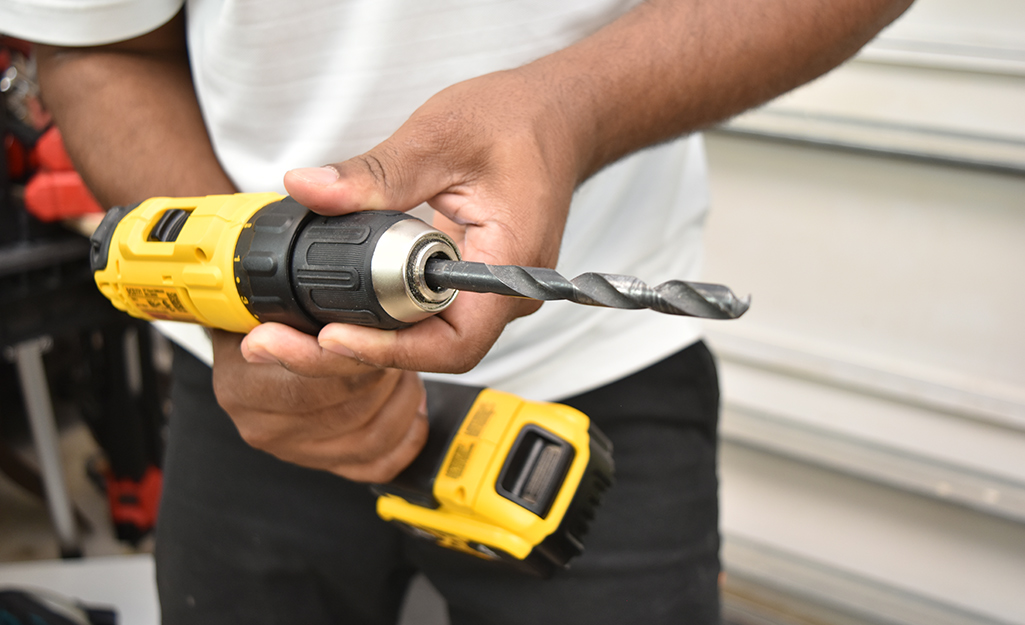
- ✦ Step 1
Choose the correct drill bit.
- ✦ Step 2
Insert and tighten the bit securely.
- ✦ Step 3
Mark the drilling point.
- ✦ Step 4
Position the drill straight against the surface.
- ✦ Step 5
Press the trigger slowly and increase speed gradually.
Maintaining Proper Control
Hold the drill firmly with both hands when possible. Apply steady pressure and let the drill bit do the work. Excessive force can damage the bit or material.
- ✦ Stay Balanced
Keep stable footing while drilling.
Drilling Into Different Materials
A key part of understanding how to use drilling machine at home is knowing how materials behave. Different surfaces require different techniques.
Wood is generally the easiest material to drill. Metal requires slower speeds and steady pressure. Masonry often needs a hammer drill and masonry bit.
Using the wrong bit can produce poor results and shorten tool life.

- ✦ Wood
Use wood bits and medium speed settings.
- ✦ Metal
Use metal bits and lower speeds.
- ✦ Concrete
Use masonry bits and hammer mode if available.
Tips for Wall Drilling
When drilling walls, start slowly to avoid surface damage. Use anchors when mounting objects into drywall without a stud.
- ✦ Use Anchors
Improve holding strength in drywall.
Common Mistakes Beginners Make
Many people learning how to use drilling machine at home make a few common errors. Fortunately, these mistakes are easy to avoid.
One frequent mistake is using the wrong drill bit. Another is starting at full speed, which can cause slipping and inaccurate holes.
Poor positioning can also result in crooked holes and damaged surfaces.
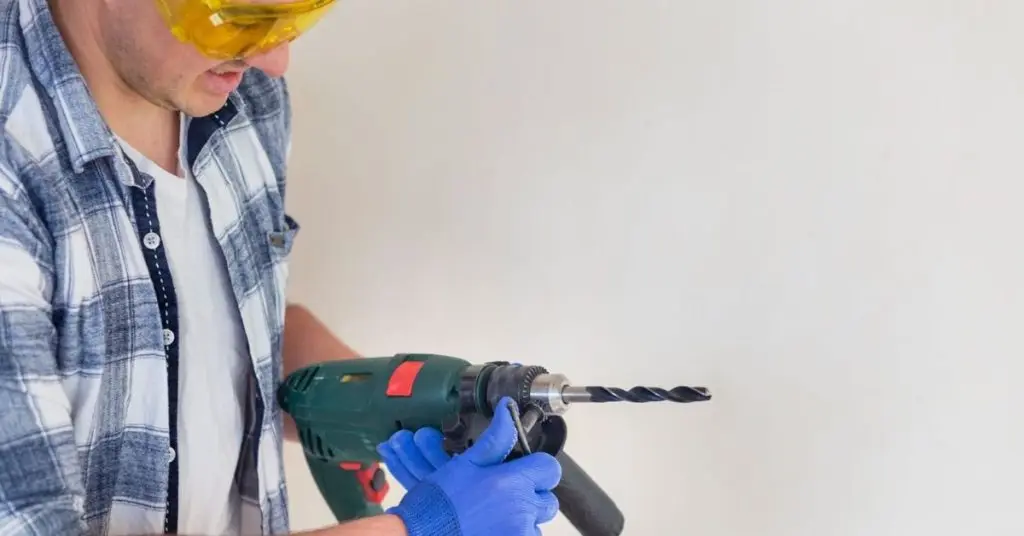
- ✦ Wrong Bit Selection
Choose a bit designed for the material.
- ✦ Too Much Force
Let the drill do the work.
- ✦ Ignoring Safety Gear
Always wear eye protection.
- ✦ Skipping Measurements
Measure twice before drilling.
How to Fix a Mistake
If a hole is slightly off, wall filler or wood filler can often solve the problem. Practice on scrap materials to improve accuracy before working on visible surfaces.
- ✦ Practice First
Build confidence before important projects.
Maintenance Tips for Longer Drill Life
Good maintenance helps your drill perform better and last longer. After each project, remove dust and debris from the tool.
Store batteries according to manufacturer recommendations. Keep drill bits clean and replace damaged ones promptly.
Regular care makes future projects easier and improves safety.

- ✦ Clean After Use
Remove dirt and dust buildup.
- ✦ Inspect Bits
Replace worn or damaged bits.
- ✦ Store Properly
Keep the drill in a dry location.
Battery Care Tips
Avoid storing batteries in extreme temperatures. Charge them before they become completely depleted whenever possible.
- ✦ Moderate Temperatures
Help extend battery lifespan.