How Do Oil Free Air Compressors Work? A Complete Beginner-Friendly Guide
Many people ask, “how do oil free air compressors work” when shopping for a compressor for a garage, workshop, or business. The answer is simpler than it seems. These machines compress air using specially designed parts that do not require oil inside the compression chamber.
In my experience working with air systems, oil free units are often chosen when clean air matters most. They help reduce maintenance tasks and eliminate concerns about oil entering the air stream. That makes them a popular choice across many industries in the United States.
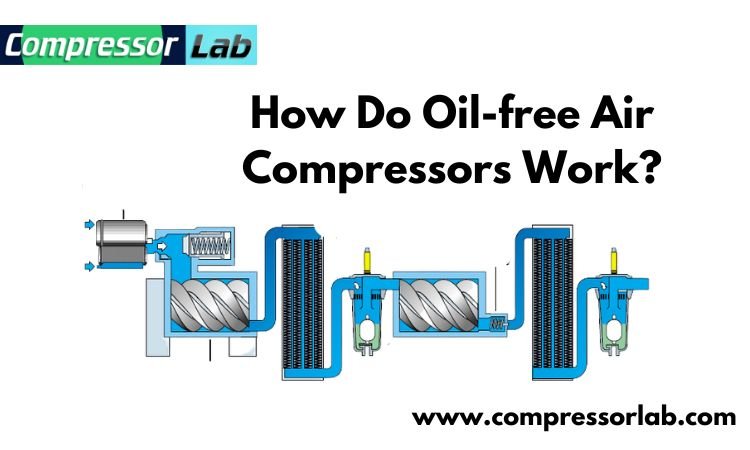
What Is an Oil Free Air Compressor?
An oil free air compressor is a machine that compresses air without using oil in the compression chamber. Traditional compressors often rely on oil to lubricate moving parts during compression. Oil free designs use alternative materials and engineering methods instead.
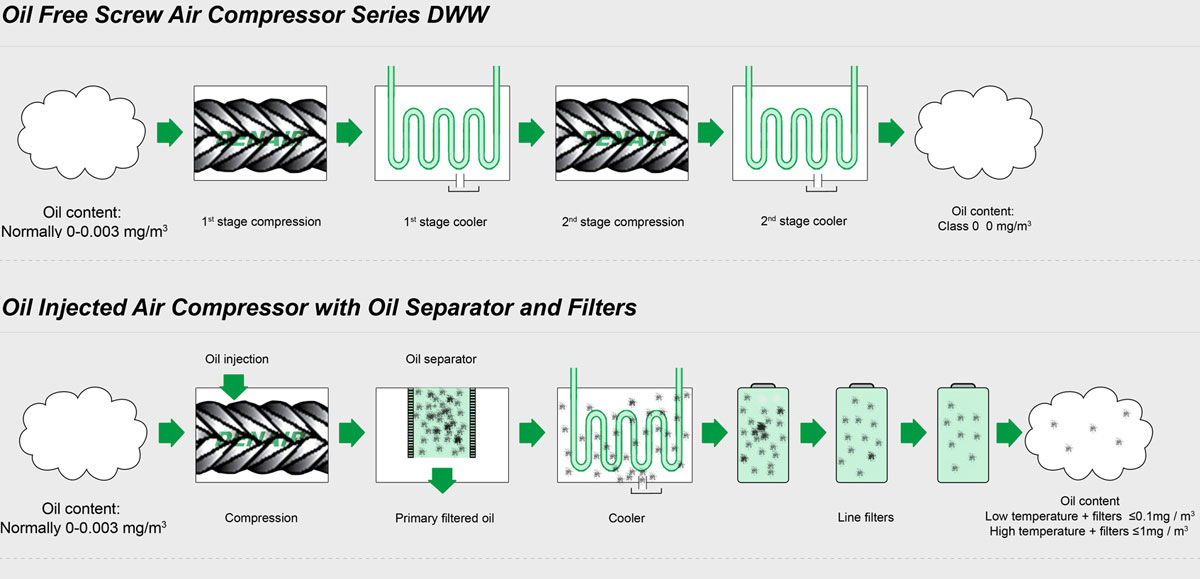
When people ask how do oil free air compressors work, they are usually comparing them with oil-lubricated systems. The biggest difference is that compressed air stays cleaner because it does not come into direct contact with lubricating oil.
- ✦ Clean Air Output
Helps reduce the risk of oil contamination in compressed air.
- ✦ Lower Maintenance
No oil changes are required for the compression chamber.
- ✦ Popular Applications
Used in medical, food, laboratory, and light industrial settings.
Why Oil Contamination Matters
Even small amounts of oil can affect sensitive equipment, products, and processes. Industries that need clean air often prefer oil free systems because they help maintain air purity.
- ✦ Sensitive Equipment
Protects tools, instruments, and production lines from contamination.
How Do Oil Free Air Compressors Work Step by Step?
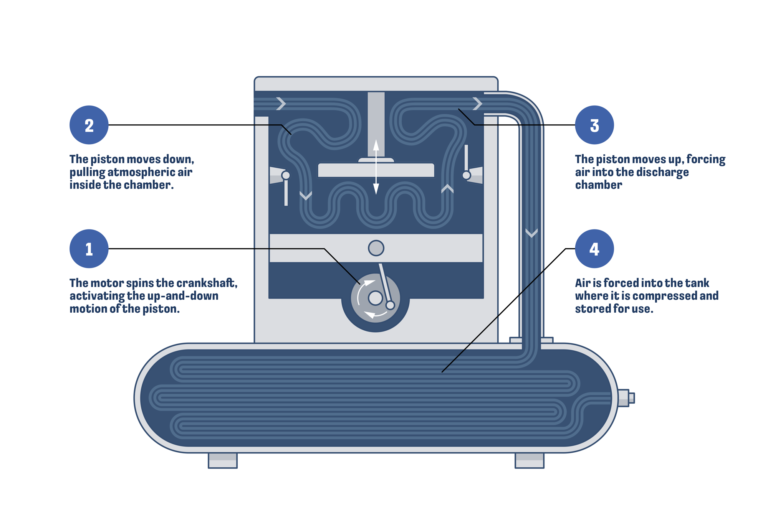
To understand how do oil free air compressors work, it helps to follow the compression process. Air enters through an intake valve. The compressor then traps the air and reduces its volume. As volume decreases, pressure increases.
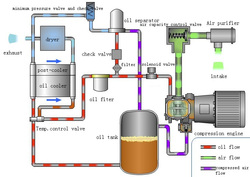
The compressed air moves through cooling and filtration stages before reaching a storage tank or air delivery system. Throughout this process, the compression chamber remains free of oil contamination.
- ✦ Air Intake
Outside air enters through a filter.
- ✦ Compression
Mechanical components squeeze the air into a smaller space.
- ✦ Cooling
Heat generated during compression is reduced.
- ✦ Storage and Delivery
Pressurized air moves to a tank or directly to equipment.
Special Materials Replace Oil
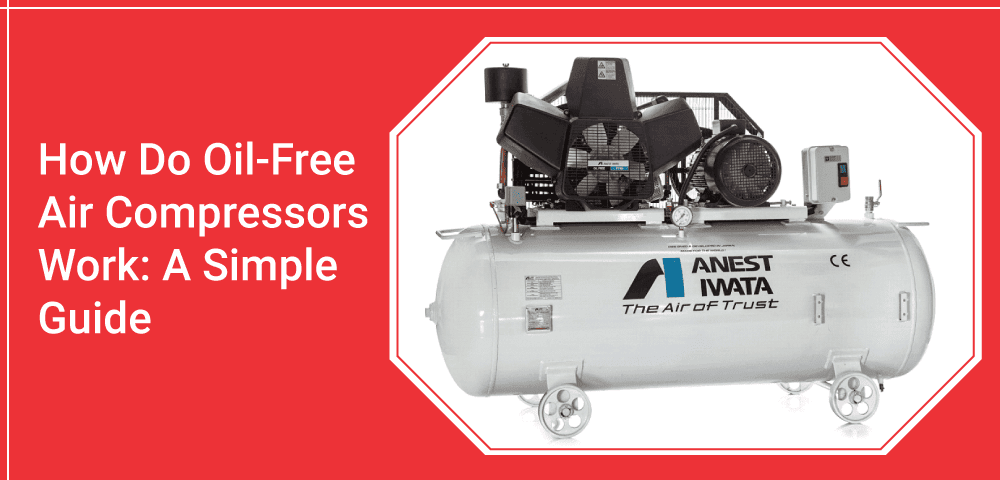
Manufacturers use advanced coatings, self-lubricating materials, sealed bearings, and precision engineering to reduce friction. These features allow the compressor to operate efficiently without oil inside the compression area.
- ✦ Low-Friction Surfaces
Help reduce wear between moving parts.
- ✦ Sealed Bearings
Keep lubrication separate from compressed air.
Main Components of an Oil Free Air Compressor
Understanding the major components makes it easier to answer how do oil free air compressors work. Each part plays a role in creating and delivering compressed air efficiently.
Modern oil free compressors use carefully designed systems to manage heat, airflow, and durability while maintaining clean air output.
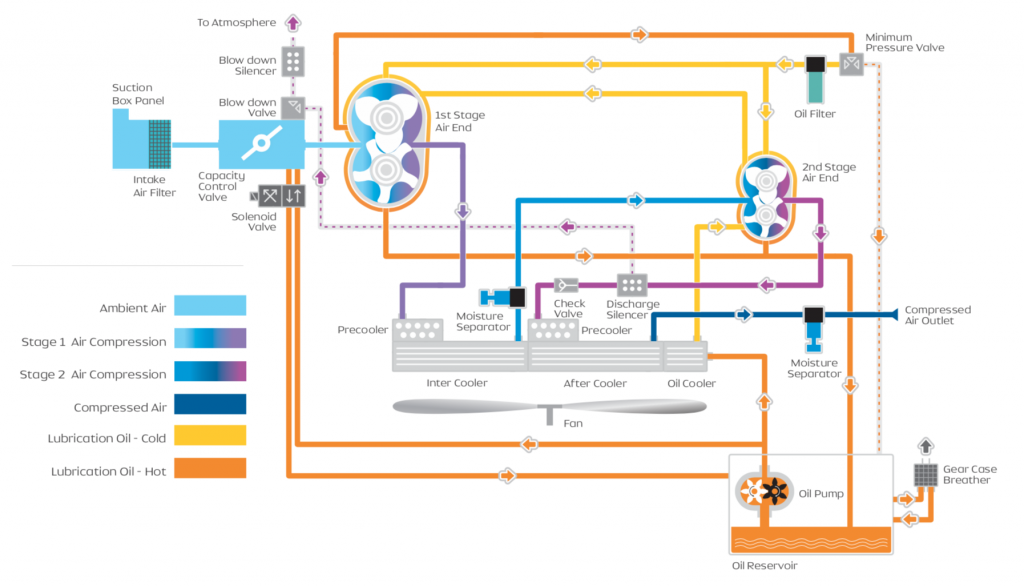
- ✦ Air Filter
Removes dust and debris before compression.
- ✦ Compression Element
Compresses incoming air to increase pressure.
- ✦ Cooling System
Reduces heat produced during operation.
- ✦ Air Tank
Stores compressed air for later use.
Importance of Cooling
Heat is a natural byproduct of compression. Effective cooling systems help improve efficiency, extend component life, and maintain stable performance.
- ✦ Longer Lifespan
Proper cooling helps protect internal parts.
Types of Oil Free Air Compressors
There is more than one answer to how do oil free air compressors work because different compressor technologies exist. Each design compresses air in a unique way.
The best choice depends on airflow needs, operating hours, budget, and air quality requirements.
- ✦ Oil Free Piston Compressors
Common in homes, garages, and light-duty work.
- ✦ Oil Free Scroll Compressors
Quiet operation and clean air output.
- ✦ Oil Free Rotary Screw Compressors
Designed for continuous industrial operation.
Oil Free Scroll Technology
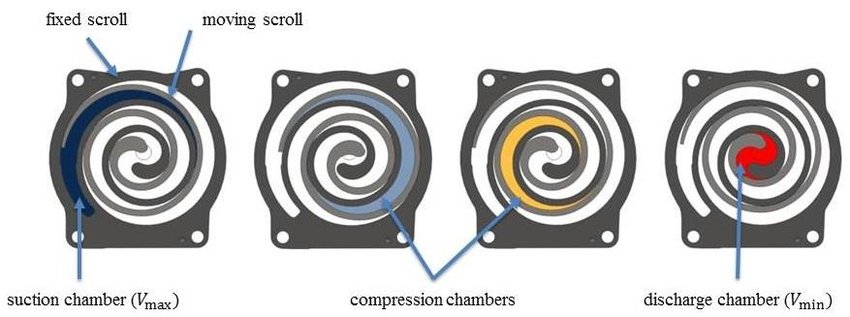
Scroll compressors use two spiral-shaped elements. One remains stationary while the other moves. This motion compresses air smoothly and quietly.
- ✦ Low Noise
Often quieter than many piston designs.
Oil Free Rotary Screw Technology
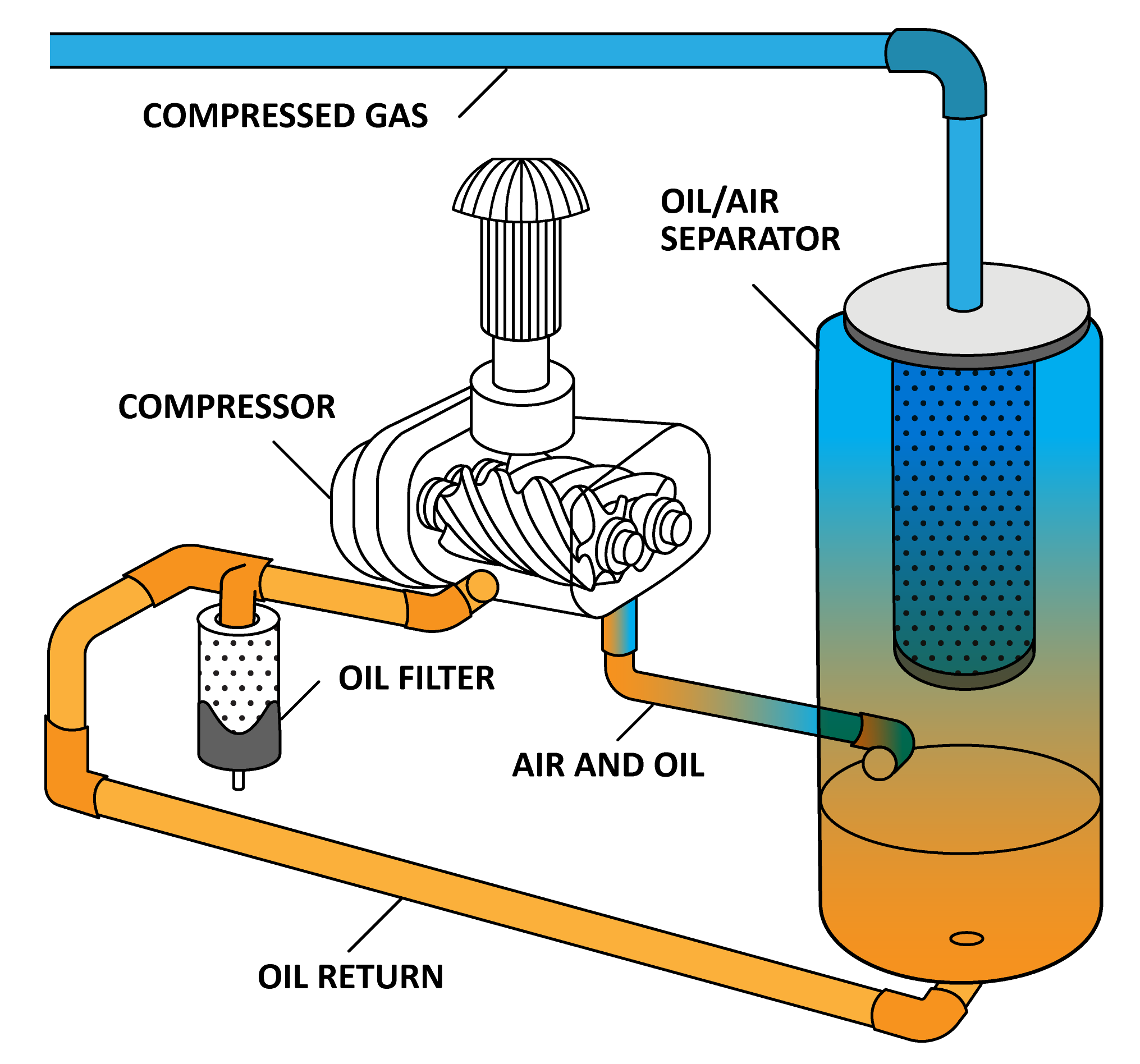
Rotary screw systems use interlocking rotors to compress air. Advanced coatings and precise engineering prevent direct oil contamination in the air stream.
- ✦ Industrial Performance
Suitable for high-demand applications.
Benefits of Oil Free Air Compressors
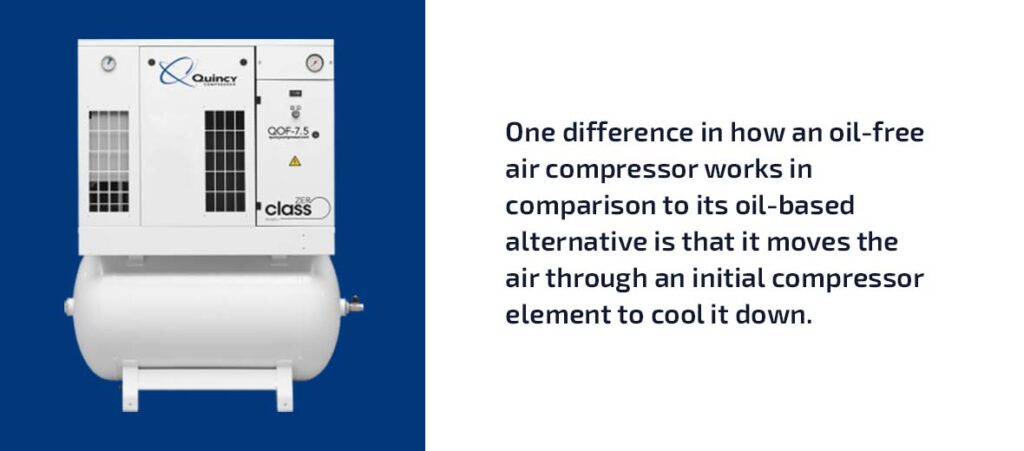
Many buyers researching how do oil free air compressors work also want to know why people choose them. One major benefit is cleaner compressed air. This is important for industries where contamination can create problems.
Another advantage is simplified maintenance. Since there are no routine oil changes for the compression chamber, ownership can be easier and less messy.
- ✦ Cleaner Air
Reduces contamination risks.
- ✦ Simpler Maintenance
Eliminates compressor oil changes.
- ✦ Environmental Benefits
Less oil handling and disposal.
- ✦ Convenient Operation
Good choice for many home users.
Best Industries for Oil Free Air
Healthcare facilities, dental offices, food processing plants, laboratories, and electronics manufacturers often depend on clean compressed air for daily operations.
- ✦ Food Production
Helps protect product quality.
Limitations and Things to Consider
Although oil free compressors offer many advantages, they are not perfect. Some models may have a shorter lifespan than heavily lubricated industrial systems when operated under extreme conditions.
When evaluating how do oil free air compressors work for your needs, consider duty cycle, airflow demand, noise level, and operating environment.
- ✦ Potential Wear
Some components may experience higher friction over time.
- ✦ Initial Cost
Certain premium models cost more upfront.
- ✦ Application Matching
Choosing the correct size remains important.
Choosing the Right Unit
Always match compressor output to your tools and equipment. An undersized unit may run constantly and wear faster.
- ✦ Check Air Demand
Review CFM and PSI requirements before buying.
Maintenance Tips for Oil Free Air Compressors
People often assume oil free means maintenance free. That is not true. Even though oil changes are unnecessary, routine inspections still matter.
If you want your compressor to last, keep filters clean, inspect hoses, drain moisture from tanks, and follow the manufacturer’s service schedule.
- ✦ Clean Filters
Maintain airflow and efficiency.
- ✦ Drain Moisture
Prevent rust and water buildup.
- ✦ Inspect Connections
Check for leaks and damage.
- ✦ Monitor Performance
Address unusual sounds or pressure loss quickly.
Real-World Maintenance Lesson
One common issue I have seen is neglected air filters. A clogged filter can reduce performance and force the compressor to work harder than necessary.
- ✦ Simple Prevention
Regular filter checks often prevent larger problems.