How Does a Cordless Vacuum Cleaner Work? A Simple Guide
If you have ever wondered how does a cordless vacuum cleaner work, the basic idea is quite simple. A rechargeable battery sends power to a motor. The motor spins a fan at high speed, which creates a pressure difference that moves air through the vacuum. Dirt and dust travel with that air into the dust bin.
A cordless vacuum also uses a cleaning head, brush roll, air path, and filter system. Each part has a clear job. The brush roll helps loosen dirt from floors and carpets, while the filter catches fine particles before the cleaned air leaves the machine. This design lets you clean without plugging into a wall outlet.

What Is a Cordless Vacuum Cleaner?
A cordless vacuum cleaner is a portable vacuum that does not need a power cord during use. Instead, it has a rechargeable battery pack. The battery powers the motor and other electronic parts inside the machine.
The main cleaning process is similar to that of a corded vacuum. Air moves through the floor head and vacuum tube, carries dirt into the dust bin, and then passes through filters. The key difference is the power source.
Most cordless models are designed for quick daily cleaning. They can work well on hard floors, rugs, stairs, furniture, and many types of carpet. Their light design also makes them useful for cleaning small messes without setting up a full-size vacuum.
- ✦ Battery
The rechargeable battery supplies electrical power to the motor and control system.
- ✦ Motor
The motor spins the fan and creates the airflow needed to move dirt.
- ✦ Cleaning head
The floor head guides airflow toward the surface and may use a powered brush roll to loosen debris.
- ✦ Dust bin
The dust bin collects dirt, hair, crumbs, and other debris pulled from the floor.
- ✦ Filters
Filters trap dust and fine particles so they do not simply pass back into the room.
How Does a Cordless Vacuum Cleaner Work Step by Step?
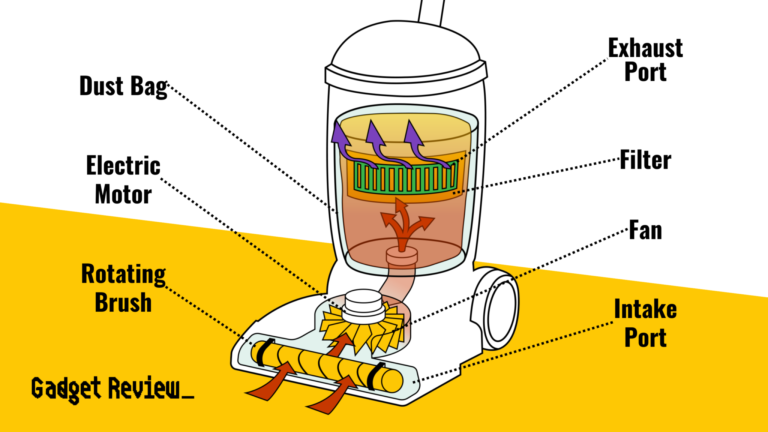
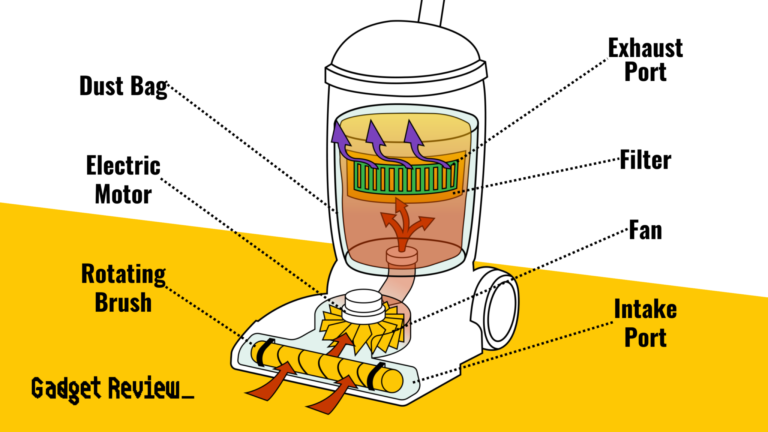
To understand how does a cordless vacuum cleaner work, follow the air path from the floor to the exhaust. The battery powers the motor. The motor turns a fan, and the fan moves air through the vacuum at high speed.
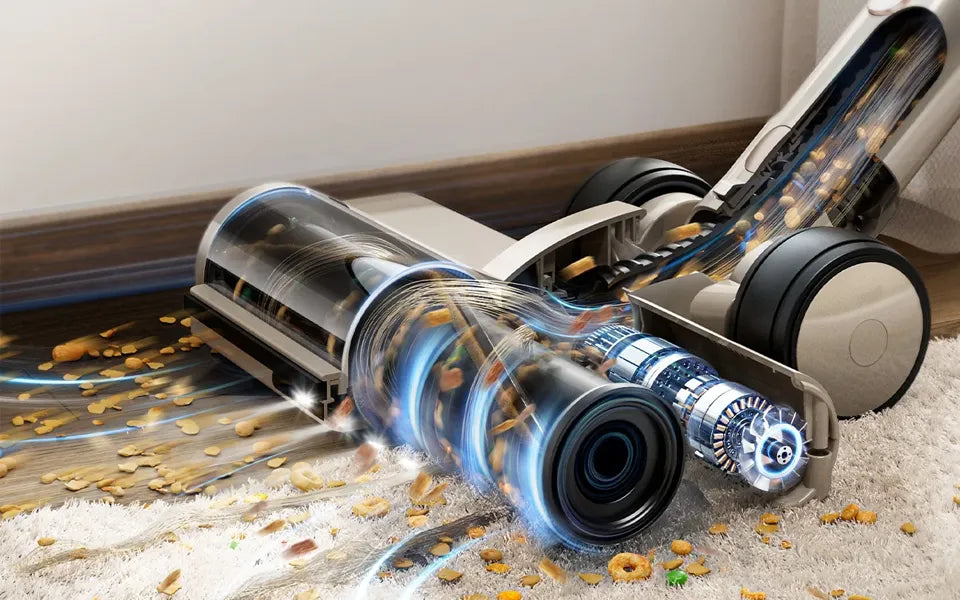
When the vacuum head sits near the floor, the moving air helps carry loose dirt into the machine. The brush roll can also agitate the surface. This action helps lift hair, crumbs, dust, and other debris so the airflow can carry them away.
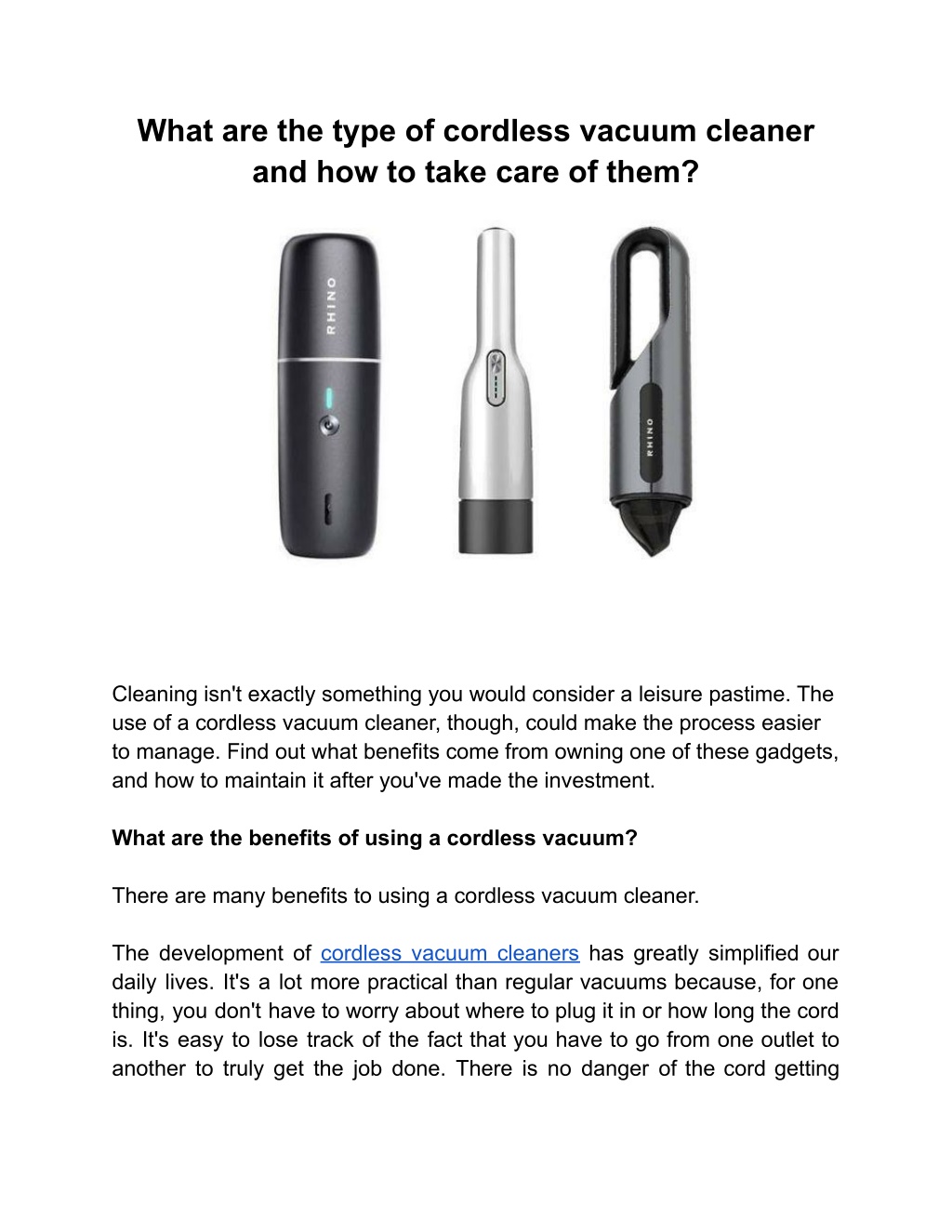
The dirty air then moves toward the dust bin and filters. Larger debris stays in the bin, while the filters capture smaller particles. The filtered air then leaves through the exhaust area.

- ✦ Step 1: The battery supplies power
The rechargeable battery sends electrical energy to the motor and electronic controls.
- ✦ Step 2: The motor spins
The motor turns the vacuum fan at high speed to move air.
- ✦ Step 3: Air begins to move
The spinning fan creates a pressure difference that causes air to flow through the vacuum.
- ✦ Step 4: Dirt enters the cleaning head
Airflow pulls loose debris from the floor, while the brush roll can loosen dirt from carpet fibers.
- ✦ Step 5: Dirt reaches the dust bin
The air carries collected debris into the dust collection area.
- ✦ Step 6: Filters clean the air
Filters trap fine dust and other small particles before the air exits the vacuum.
Why Airflow Matters More Than a Simple Suction Number
Suction is only one part of cleaning performance. The vacuum also needs a good air path from the floor head to the dust bin. A blocked tube, full dust bin, dirty filter, or sealed opening can reduce useful airflow.
This is why a vacuum can sound powerful but clean poorly. The motor may still run fast, but restricted airflow can prevent dirt from moving through the machine.
- ✦ Open air path
Air needs a clear route through the floor head, tube, bin, and filters.
- ✦ Good floor contact
The cleaning head should sit close enough to the surface to collect dirt without creating an unwanted blockage.
The Main Parts Inside a Cordless Vacuum
Knowing the main parts makes it easier to understand how does a cordless vacuum cleaner work. Although designs vary by brand and model, most cordless vacuums use the same basic system of power, airflow, dirt collection, and filtration.
Some models add smart sensors, automatic suction control, powered tools, or displays. These features change how the vacuum operates, but the core cleaning process remains the same.
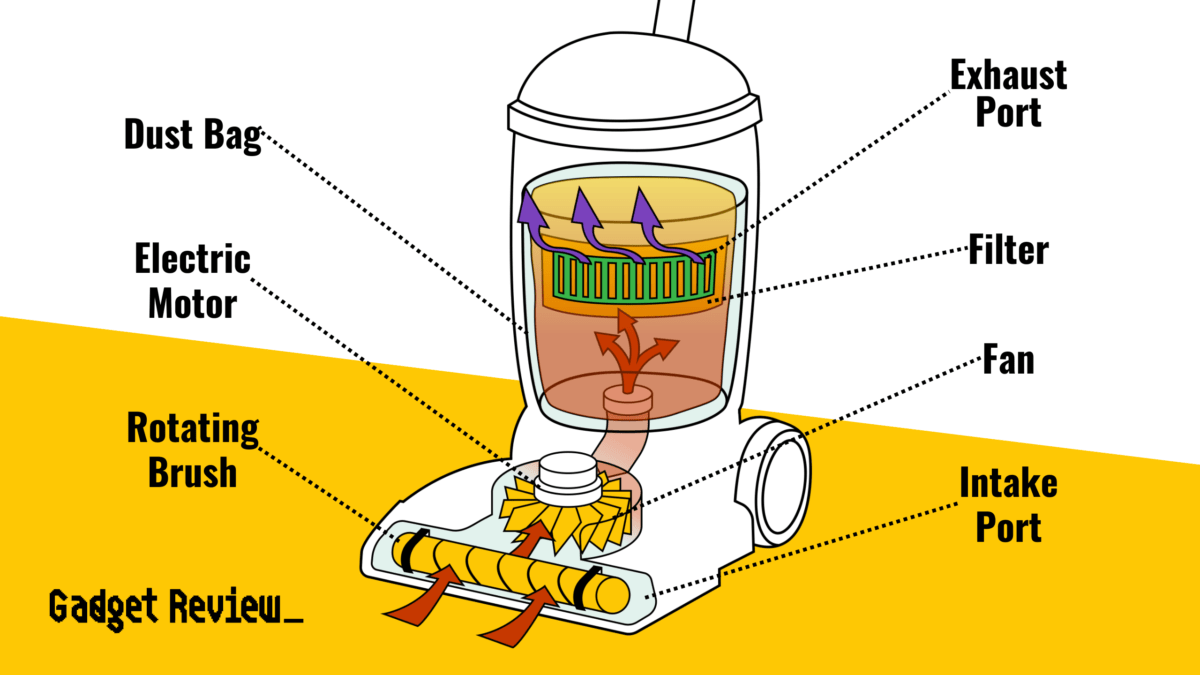
- ✦ Rechargeable battery pack
The battery stores electrical energy for cordless operation. Many modern models use lithium-ion battery technology.
- ✦ Electric motor
The motor converts electrical energy into mechanical motion that spins the fan.
- ✦ Fan or impeller
The fast-spinning fan moves air through the vacuum and creates the pressure difference that produces suction.
- ✦ Brush roll
A powered brush roll spins against the floor or carpet to loosen hair, crumbs, and embedded dirt.
- ✦ Dust bin
The bin stores collected debris until you empty it.
- ✦ Filters
Filters capture fine dust and help keep the exhaust air cleaner.
- ✦ Control electronics
Electronic controls manage the motor, battery, power modes, sensors, and other functions.
How the Motor Creates Suction
The motor does not simply pull dirt by itself. It drives a fan that rapidly moves air. As the fan changes the pressure inside the vacuum, air from outside the machine flows toward the lower-pressure area.
That moving air carries loose dirt with it. The strength of the cleaning system depends on the motor, fan design, air path, seals, floor head, and other parts working together.
- ✦ Motor speed
Higher motor speed can support strong airflow, but it also uses more battery power.
- ✦ Air seals
Good seals help prevent air from leaking through unwanted gaps.
How the Battery Powers a Cordless Vacuum
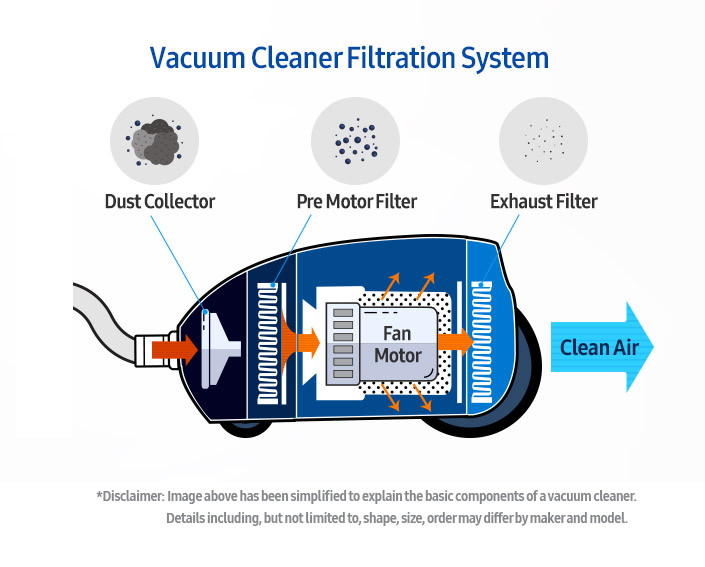
The battery is what makes a cordless vacuum different from a traditional plug-in model. Instead of drawing power from a wall outlet, the vacuum stores electrical energy in a rechargeable battery.
When you press the power button, the control system sends power from the battery to the motor. Higher power modes usually demand more energy, so they can reduce the available cleaning time between charges.
Battery performance can also change with age, temperature, cleaning mode, and the condition of the machine. A blocked filter or brush roll can make the motor work harder, which may affect runtime.
- ✦ Standard mode
This mode uses less power and is often suitable for routine cleaning on hard floors and light debris.
- ✦ High-power mode
This mode increases cleaning power but normally uses more battery energy.
- ✦ Automatic mode
Some models adjust motor power based on the surface or detected debris.
- ✦ Charging system
A charger restores energy to the battery so the vacuum can be used again.
Why Battery Life Can Change During Cleaning
A cordless vacuum may run for different lengths of time depending on how you use it. A powered brush roll, high suction mode, and motorized attachments all require energy.
For daily cleaning in a typical U.S. home, using the lowest setting that does the job can help reduce battery use. Keeping the filter and brush roll clean can also help the vacuum operate efficiently.
How the Brush Roll Helps Clean Floors
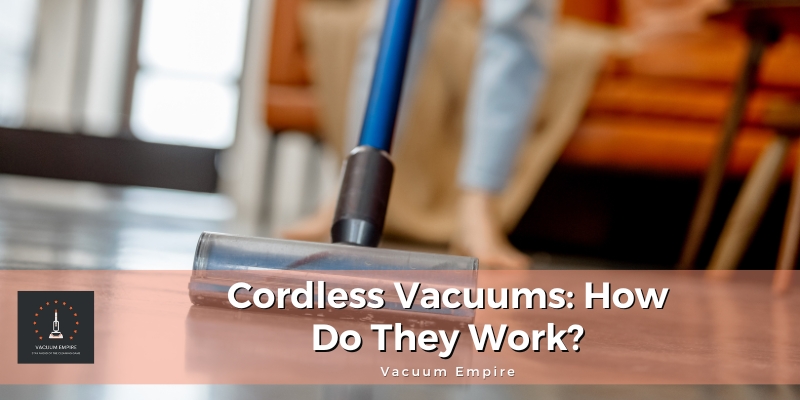
The brush roll is especially important on carpets and rugs. It spins as the vacuum moves and helps disturb dirt that sits between fibers. The airflow can then carry the loosened debris into the vacuum.
Many cordless vacuums use different brush designs for hard floors and carpets. Some use soft rollers for hard surfaces, while others use mixed bristles or fins for carpet cleaning.
Hair can wrap around the brush roll over time. This adds resistance and can reduce cleaning performance. Regular brush-roll cleaning is therefore a simple but important part of vacuum care.
- ✦ Carpet cleaning
A brush roll can agitate carpet fibers and help release dirt, hair, and crumbs.
- ✦ Hard floors
A suitable roller can collect fine dust and larger debris while reducing the risk of scratching delicate surfaces.
- ✦ Pet hair
Motorized brush rolls can help collect pet hair, but long hair may still wrap around the roller.
Why a Jammed Brush Roll Can Reduce Performance
A brush roll covered with hair cannot spin as freely. Some cordless vacuums detect this problem and stop the brush or display an alert.
Turn the vacuum off before removing tangled hair. Follow the manufacturer’s instructions for removing and cleaning the roller.
How the Dust Bin and Filters Work
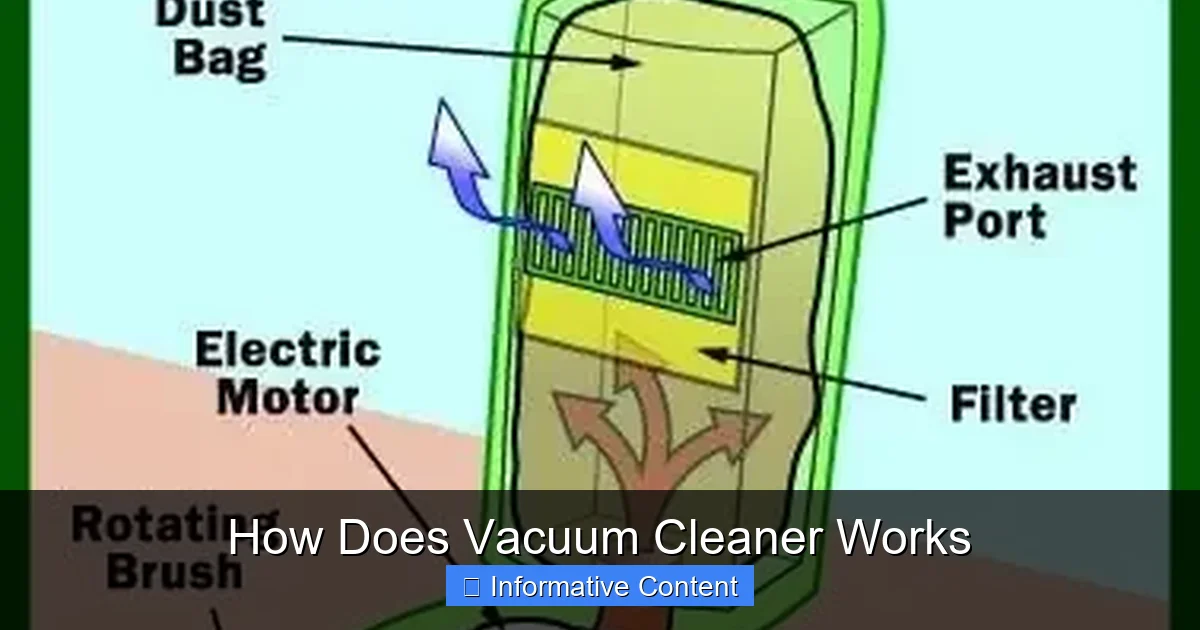
After dirt enters the vacuum, the dust bin holds the collected debris. Many cordless models use a bagless bin, so you can empty it directly into a trash can. The bin must have enough space for air and debris to move correctly.
Filters play another key role. They capture fine particles that would otherwise travel through the exhaust. Some models use washable filters, while others use replaceable filters or a mix of both.
If a filter becomes clogged, airflow can drop. The vacuum may then lose cleaning performance or run less efficiently. Regular filter care is one of the easiest ways to keep a cordless vacuum working properly.
- ✦ Dust separation
The vacuum separates much of the collected debris from the moving air before the air reaches the final filter.
- ✦ Fine-particle filtration
Fine filters capture smaller particles that remain in the airflow.
- ✦ Exhaust filtration
The final filter helps clean the air before it leaves the vacuum.
- ✦ Easy emptying
A bagless dust bin lets users remove collected debris without replacing a disposable vacuum bag.
Why You Should Not Ignore a Dirty Filter
A dirty filter can restrict airflow. This can make the vacuum feel weaker even when the battery is fully charged.
Washable filters should only be washed when the manufacturer says they are washable. Always let a washed filter dry fully before putting it back into the vacuum.
What Happens When You Vacuum Different Surfaces?
How does a cordless vacuum cleaner work on different floors? The basic airflow process stays the same, but the cleaning head may change how well the vacuum collects debris. Surface type affects the brush roll, airflow path, and amount of contact with the floor.
Hard floors often need gentle agitation and strong pickup of fine dust and larger particles. Carpets need more agitation because dirt can sit deeper between the fibers.
- ✦ Hardwood floors
Use a suitable floor head that collects dust and debris without damaging the surface.
- ✦ Tile floors
The vacuum can collect loose dust, crumbs, and hair from gaps and smooth areas.
- ✦ Low-pile carpet
A powered brush can help loosen and collect dirt from the short fibers.
- ✦ High-pile carpet
The floor head needs enough airflow and brush action to move through deeper fibers without getting stuck.
- ✦ Rugs
A suitable suction setting and floor head can help prevent the rug from being pulled into the nozzle.
Why Floor Head Design Matters
The floor head is the first part that meets the dirt. Its shape controls how air enters the system and how the brush interacts with the surface.
A well-designed head can help balance airflow, brush action, and floor contact. This is one reason two cordless vacuums with similar motors can clean differently.
What Makes a Cordless Vacuum Lose Suction?
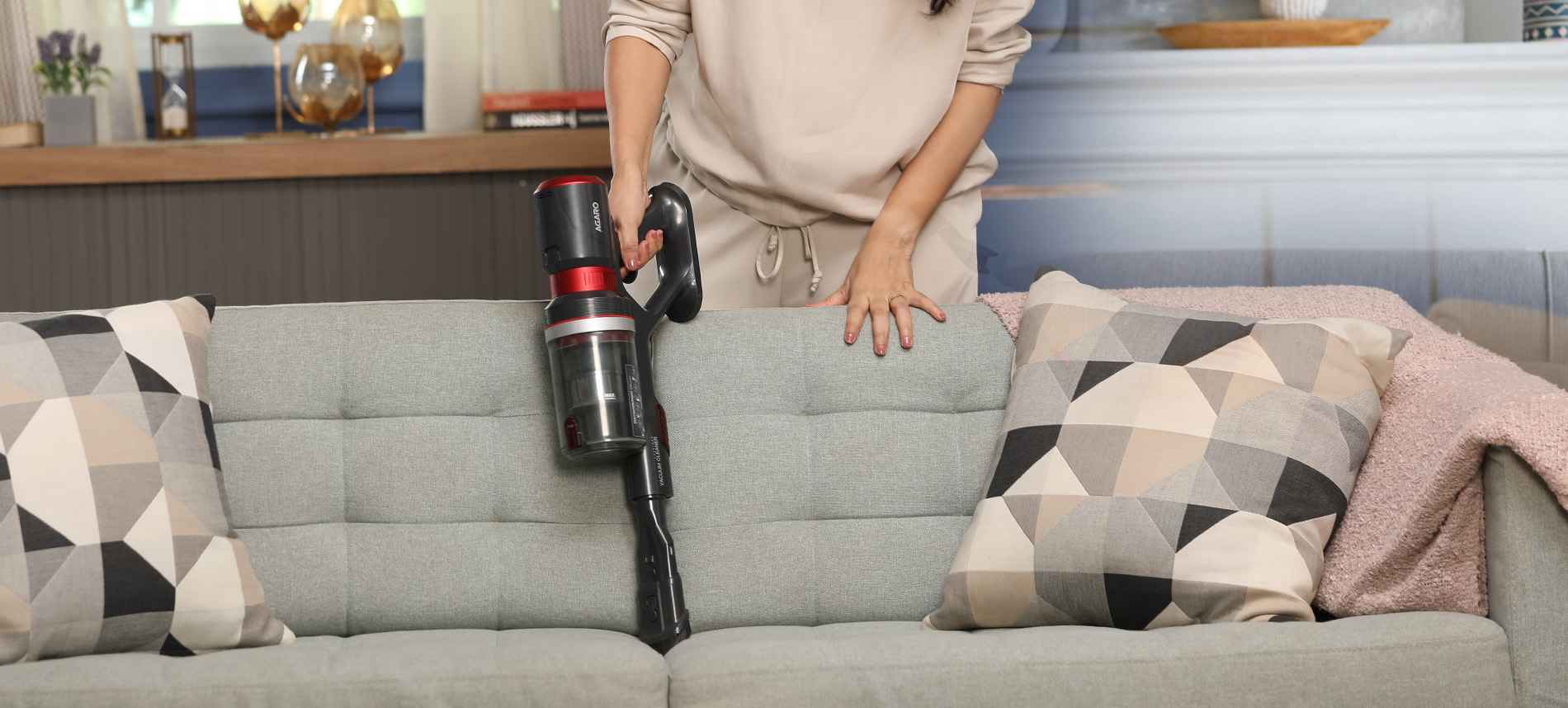
A drop in suction does not always mean the motor has failed. Several simple problems can restrict airflow. A full dust bin, clogged filter, blocked tube, or tangled brush roll can all affect cleaning performance.
If you notice weaker pickup, start with the simple checks. Empty the bin, inspect the floor head, clear the tube if the manufacturer allows it, and clean the filters according to the owner’s guide.
- ✦ Full dust bin
Too much debris can limit the space available for air to move through the collection system.
- ✦ Dirty filter
A clogged filter can restrict airflow and make the vacuum seem weak.
- ✦ Blocked air path
Hair, paper, or other debris can block the tube or cleaning head.
- ✦ Tangled brush roll
Wrapped hair can slow the roller and reduce effective cleaning.
- ✦ Low battery
Some models reduce motor power as battery charge falls.
A Simple Troubleshooting Order
When a cordless vacuum seems weak, check the dust bin first. Then inspect the floor head and brush roll, followed by the tube and filters.
If the vacuum still has a problem after routine care, check the owner’s manual for model-specific steps. Do not open electrical or battery parts unless the manufacturer specifically permits it.
- ✦ First
Empty the dust bin.
- ✦ Second
Check the brush roll and floor head.
- ✦ Third
Inspect the air path for blockages.
- ✦ Fourth
Clean or replace filters as directed.
- ✦ Fifth
Charge the battery and test the vacuum again.
How to Keep a Cordless Vacuum Working Well
Once you understand how does a cordless vacuum cleaner work, routine care becomes easier to understand. The goal is to keep the air path open, the brush moving freely, the dust bin clear, and the filters clean.
Good maintenance does not need to take much time. A quick check after cleaning can prevent small problems from becoming larger ones.
- ✦ Empty the dust bin regularly
Do not let collected debris build up until it restricts airflow or reaches the maximum fill level.
- ✦ Clean the brush roll
Remove wrapped hair and fibers based on the instructions for your model.
- ✦ Maintain the filters
Wash, dry, or replace filters only as directed by the manufacturer.
- ✦ Check for blockages
Inspect the floor head and air path if the vacuum suddenly loses pickup.
- ✦ Charge correctly
Use the supplied or approved charging system and follow the battery care instructions in the manual.
- ✦ Store it safely
Keep the vacuum and charger in a dry, suitable place away from excessive heat and moisture.
When to Replace a Filter or Battery
Filters may need replacement when they remain damaged, worn, or difficult to clean. A battery may also lose capacity as it ages and may no longer provide the runtime it once did.
Use the manufacturer’s replacement parts when possible. If the battery becomes swollen, unusually hot, damaged, or shows other signs of failure, stop using the vacuum and follow the manufacturer’s safety instructions.