How to Use a Power Drill for the First Time: A Complete Beginner’s Guide
Learning how to use a power drill for the first time can feel intimidating. The good news is that modern drills are simple to use once you understand the basics. With a little practice, you can hang shelves, assemble furniture, and complete many home projects with confidence.
In my experience helping first-time DIY homeowners, the biggest mistake is rushing. When people take a few minutes to learn the drill controls and practice on scrap material, they usually gain confidence very quickly. This guide will walk you through every step of how to use a power drill for the first time in a safe and practical way.
What Is a Power Drill and Why Is It Useful?
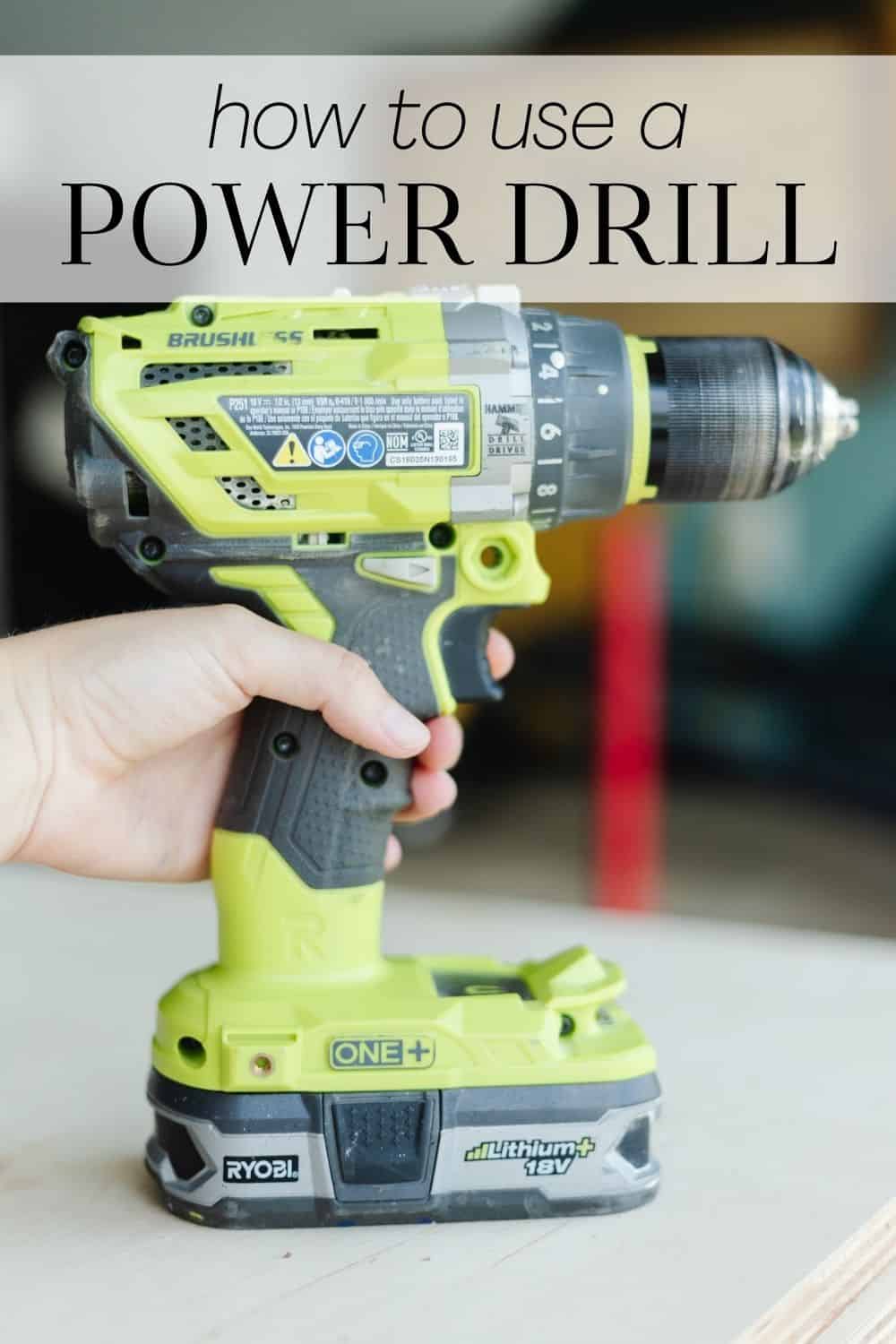
A power drill is a handheld tool that spins a drill bit or driver bit. It helps you drill holes and drive screws faster than doing the same tasks by hand.
Many American homeowners keep a cordless drill as their most-used tool. Once you learn how to use a power drill for the first time, you can tackle a wide range of DIY projects around the house.

- ✦ Drilling holes
Create holes in wood, drywall, plastic, and some metals.
- ✦ Driving screws
Install screws quickly for furniture, shelves, and repairs.
- ✦ DIY versatility
Useful for home improvement, crafts, and maintenance tasks.
Corded vs. Cordless Drills
Cordless drills are the most popular option for beginners because they are portable and easy to handle. Corded drills provide continuous power but require an electrical outlet.
- ✦ Cordless
Portable and convenient for most home projects.
- ✦ Corded
Offers steady power for longer jobs.
Understand the Main Parts of Your Drill
Before learning how to use a power drill for the first time, take a minute to identify the major parts. Knowing what each control does will help you work safely and efficiently.
Most drills have similar controls regardless of brand. Reading the owner’s manual can also help you become familiar with your specific model.

- ✦ Chuck
Holds the drill bit or driver bit in place.
- ✦ Trigger
Controls the speed of the drill.
- ✦ Forward and reverse switch
Changes drilling direction or removes screws.
- ✦ Clutch
Helps prevent overdriving screws.
What the Clutch Does
The clutch limits torque when driving screws. Lower settings help prevent stripped screws and damaged materials.
- ✦ Lower numbers
Less torque for delicate work.
- ✦ Higher numbers
More torque for tougher materials.
Essential Safety Tips Before You Start
Safety should always come first when learning how to use a power drill for the first time. A drill is a powerful tool and requires proper handling.
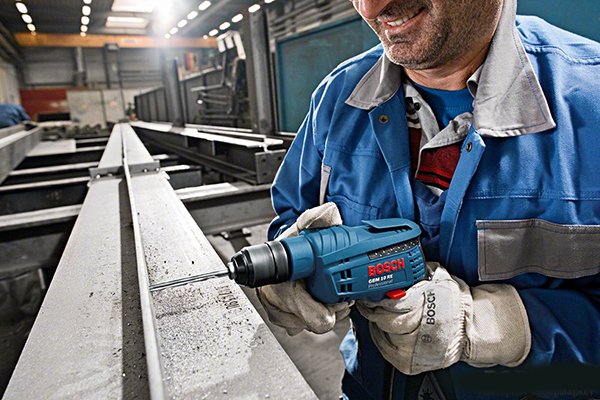
Wear safety glasses to protect your eyes from dust, wood chips, and flying debris. Tie back long hair and avoid loose clothing that could get caught.

- ✦ Wear eye protection
Protect your eyes from debris.
- ✦ Secure materials
Clamp workpieces when possible.
- ✦ Check the bit
Make sure the bit is installed tightly.
- ✦ Keep hands clear
Avoid placing fingers near the drill bit.
Practice Before a Real Project
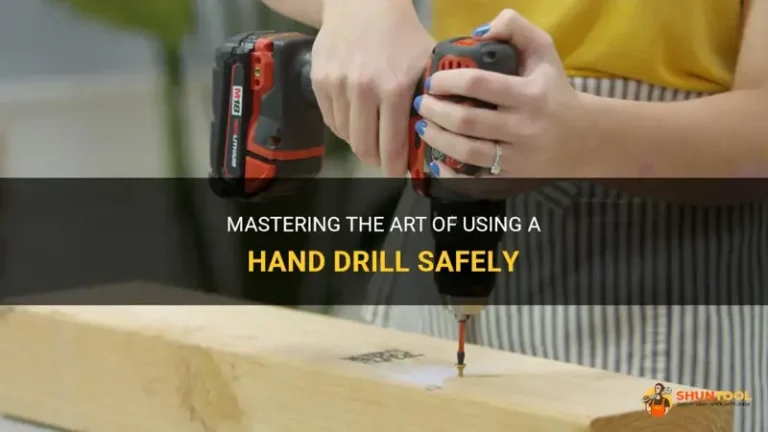
Use scrap wood to practice drilling and driving screws. This simple step helps you understand speed, pressure, and control.
- ✦ Build confidence
Learn without risking finished materials.
Step-by-Step Guide: How to Use a Power Drill for the First Time
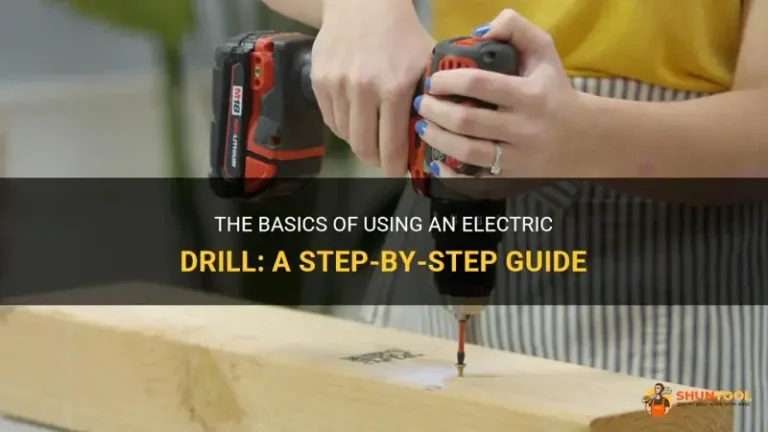
The easiest way to learn how to use a power drill for the first time is to follow a simple process. Move slowly and focus on control rather than speed.
Most beginners become comfortable after drilling a few practice holes and driving a handful of screws.

- ✦ Step 1
Charge the battery or connect power.
- ✦ Step 2
Insert and tighten the correct drill bit.
- ✦ Step 3
Set the drill direction to forward.
- ✦ Step 4
Position the bit where you want to drill.
- ✦ Step 5
Apply gentle pressure and squeeze the trigger slowly.
- ✦ Step 6
Maintain a straight angle until the hole is complete.
Driving Screws with a Drill
Switch to a driver bit and use a lower speed setting. Start slowly and stop when the screw sits flush with the surface.
- ✦ Use the clutch
Prevent overdriving and damage.
Choosing the Right Drill Bit
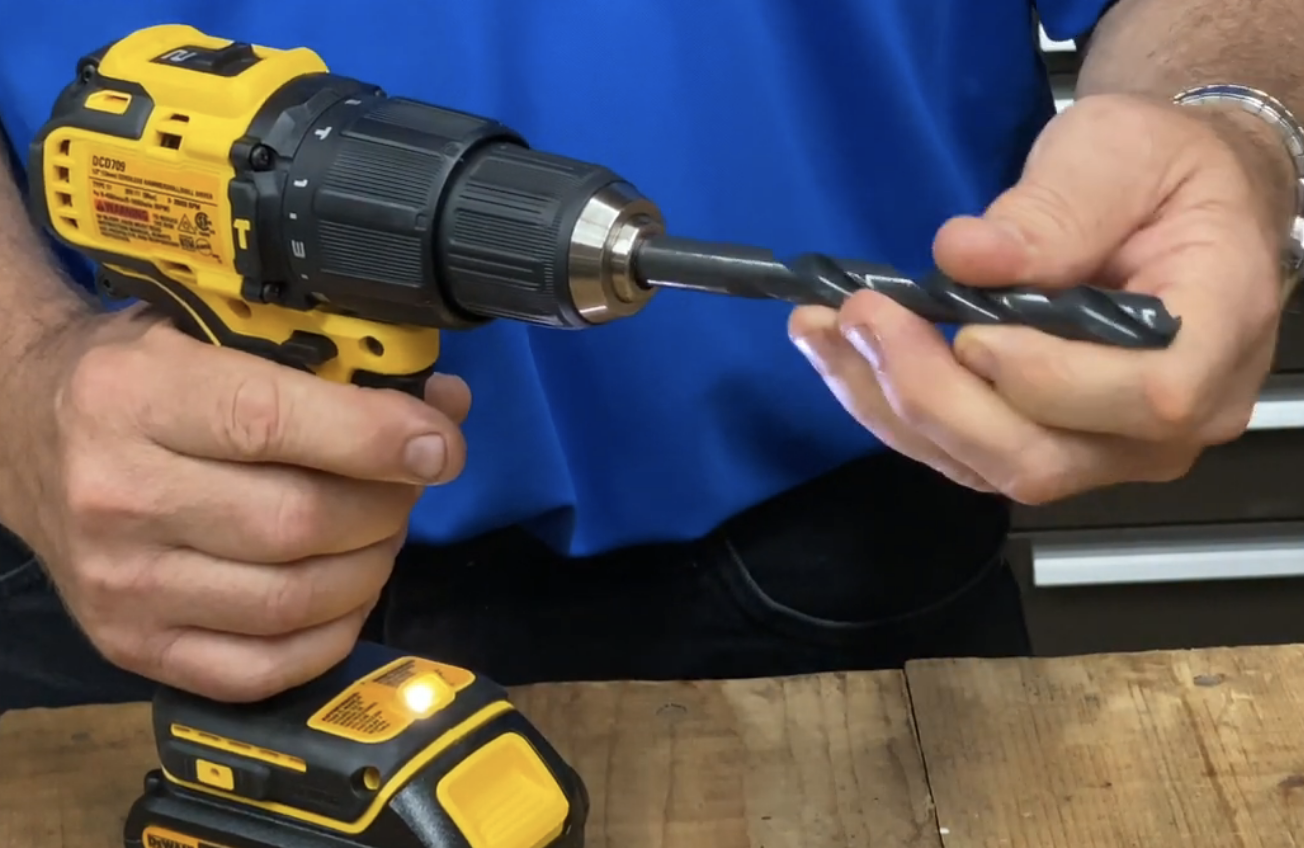
Choosing the correct bit is a key part of learning how to use a power drill for the first time. Different materials require different bit designs.
Using the wrong bit can create poor results and increase wear on the drill.
- ✦ Wood bits
Designed for clean holes in wood.
- ✦ Masonry bits
Used for brick, concrete, and stone.
- ✦ Metal bits
Suitable for steel and aluminum.
- ✦ Driver bits
Made for driving screws.
Match the Bit to the Job
Check the packaging if you are unsure which bit to use. Most manufacturers clearly list the recommended materials.
- ✦ Read labels
Confirm material compatibility before starting.
Common Beginner Mistakes to Avoid
Many new users make similar mistakes when learning how to use a power drill for the first time. Avoiding these errors can save time and prevent frustration.
Small adjustments often make a huge difference in drilling performance and accuracy.

- ✦ Using too much force
Let the drill do most of the work.
- ✦ Starting at full speed
Begin slowly for better control.
- ✦ Holding the drill at an angle
Keep the bit straight for clean holes.
- ✦ Using dull bits
Replace worn bits for better results.
Why Practice Matters
Even experienced DIYers test settings before important projects. Practice helps you learn how your drill responds.
- ✦ Better accuracy
Develop steadier control over time.
Tips to Build Confidence Quickly
The best way to master how to use a power drill for the first time is through simple practice projects. Start with tasks such as assembling furniture or hanging lightweight wall decor.
Focus on accuracy rather than speed. As your confidence grows, you can move on to larger home improvement projects.

- ✦ Start small
Choose beginner-friendly projects.
- ✦ Use scrap materials
Practice without pressure.
- ✦ Learn from mistakes
Every project builds skill.
A Real-World Lesson
One of the first lessons I learned was to slow down. A careful approach produced cleaner holes and straighter screws than trying to work too quickly.
- ✦ Slow is smooth
Control improves results and safety.