
How to Silence a Power Drill: Practical Ways to Reduce Drill Noise
If you want to know how to silence a power drill, the good news is that you can reduce a surprising amount of noise without buying a new tool. Most drill noise comes from vibration, worn parts, improper speed settings, and the material being drilled.
Over the years, I have used drills in homes, garages, workshops, and construction settings. One lesson stands out every time: a quiet drill is usually a drill that is maintained properly and used correctly. Learning how to silence a power drill can make projects more comfortable for you and everyone nearby.
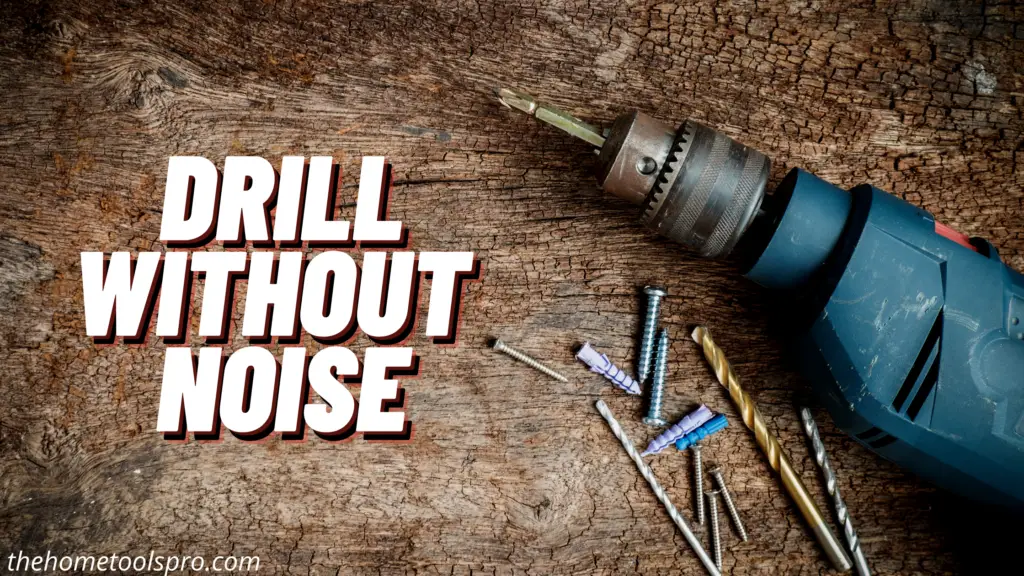
Why Power Drills Make So Much Noise
Before learning how to silence a power drill, it helps to understand where the noise comes from. The motor creates sound as it spins. Gears, bearings, and moving parts also contribute to the overall noise level.
The material being drilled can make the sound even louder. Concrete, masonry, metal, and dense hardwood often amplify vibrations. These vibrations can travel through walls, floors, workbenches, and other surfaces.
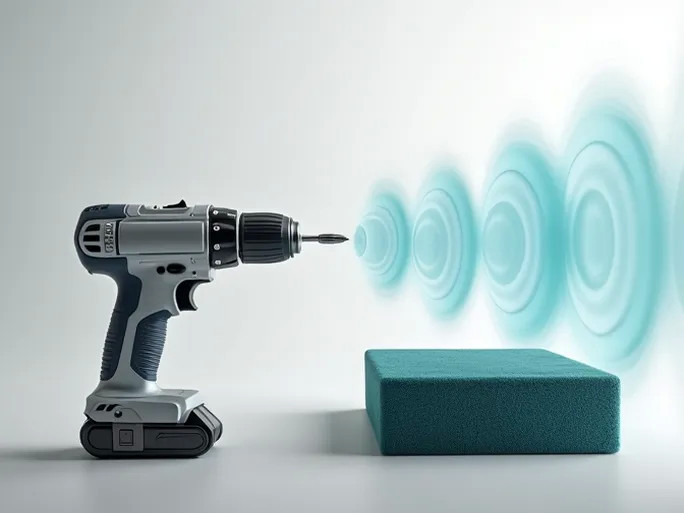
- ✦ Motor Noise
Electric motors naturally create sound during operation.
- ✦ Vibration
Vibration often creates more noticeable noise than the motor itself.
- ✦ Material Resistance
Hard materials force the drill to work harder and become louder.
Common Sources of Excessive Drill Noise
Loose components, dull drill bits, worn bearings, and poor drilling technique can all increase noise levels. Identifying the source helps you choose the right solution.
- ✦ Dull Bits
Require more force and create extra vibration.
- ✦ Loose Chucks
Can cause rattling and uneven operation.
Maintain Your Drill for Quieter Operation
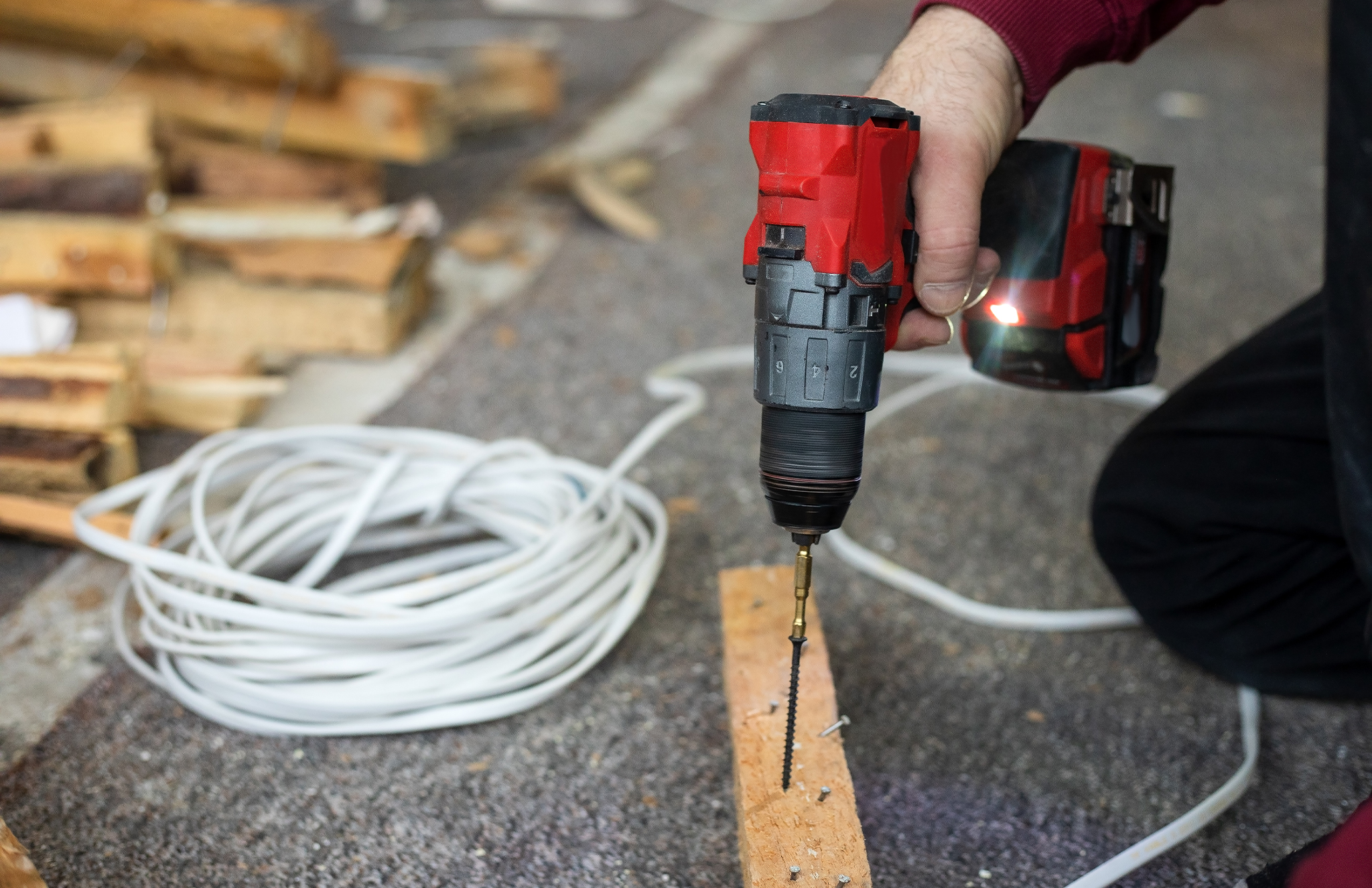
One of the easiest answers to how to silence a power drill is regular maintenance. Dirt, dust, and debris can increase friction inside the tool. Increased friction often means more noise.
Inspect the chuck, ventilation openings, and moving parts regularly. Follow the manufacturer’s maintenance recommendations. A clean tool generally runs smoother and quieter.
- ✦ Clean Frequently
Remove dust and debris after each project.
- ✦ Inspect Moving Parts
Check for looseness, wear, or unusual movement.
- ✦ Replace Worn Components
Damaged parts can increase noise and reduce performance.
Signs Your Drill Needs Attention
Grinding sounds, rattling, excessive vibration, and reduced power often indicate maintenance issues. Addressing these problems early can prevent louder operation later.
- ✦ Grinding
May indicate worn bearings or internal wear.
Use the Correct Drill Bit and Speed
Another important step in how to silence a power drill is matching the bit to the material. A sharp, appropriate bit cuts efficiently and creates less noise.
Using the correct speed setting matters as well. High speeds are useful for some materials, but they can increase noise. Lower, controlled speeds often provide quieter operation and better control.

- ✦ Sharp Bits
Reduce strain on the drill motor.
- ✦ Proper Speed
Helps avoid unnecessary noise and vibration.
- ✦ Material Matching
Choose bits designed for wood, metal, or masonry.
Avoid Forcing the Drill
Applying too much pressure can make a drill louder. Let the bit do the work. Smooth and steady pressure often produces the quietest results.
- ✦ Steady Pressure
Improves cutting efficiency and reduces noise.
Reduce Vibration to Silence a Power Drill
If you are serious about learning how to silence a power drill, focus on vibration control. Vibrations often travel through work surfaces and create additional noise.
Use clamps to secure materials. Place rubber pads under workpieces when possible. These simple changes can noticeably reduce sound levels.

- ✦ Use Rubber Mats
Help absorb vibration before it spreads.
- ✦ Secure Workpieces
Prevents movement and rattling.
- ✦ Hold the Drill Firmly
Reduces unnecessary vibration transfer.
Work Surface Considerations
Metal tables and hollow surfaces can amplify drill noise. Adding a vibration-dampening layer underneath the project can help.
- ✦ Foam Padding
Can reduce sound transmission through benches.
Choose a Quieter Drill Model
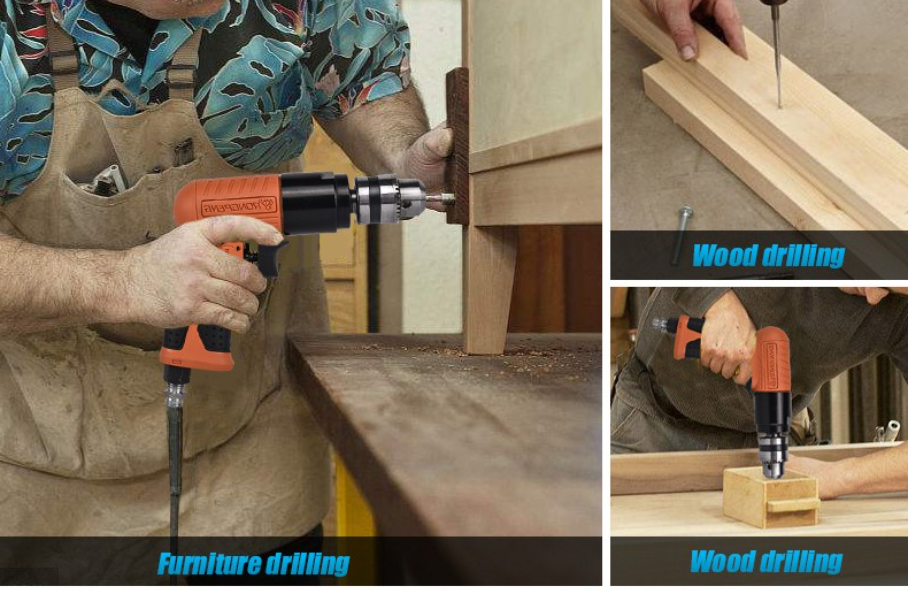
Sometimes the best solution for how to silence a power drill is upgrading to a quieter model. Modern brushless cordless drills often operate more smoothly than older designs.
Quality tools tend to have better engineering, tighter tolerances, and improved vibration control. While no drill is silent, newer models can be noticeably quieter.
- ✦ Brushless Motors
Often run more efficiently and quietly.
- ✦ Cordless Designs
Can reduce mechanical noise compared to some older corded drills.
- ✦ Quality Construction
Helps minimize rattles and vibration.
When Replacement Makes Sense
If maintenance no longer helps and the drill remains excessively loud, internal wear may be significant. Replacing the tool can improve comfort and safety.
- ✦ Persistent Noise
May indicate aging internal components.
Safe Noise Management During Drilling
Knowing how to silence a power drill does not eliminate every sound. Some noise is normal. Protecting your hearing remains important during long projects.
Hearing protection can make drilling far more comfortable. This is especially true when drilling concrete, masonry, or metal in enclosed spaces.

- ✦ Wear Hearing Protection
Protects against prolonged exposure to loud sounds.
- ✦ Take Breaks
Reduces fatigue during large projects.
- ✦ Work During Appropriate Hours
Helps minimize disturbances to neighbors and family.
Noise Awareness for Homeowners
Many homeowners work in attached garages, apartments, or shared buildings. Being mindful of drilling times can reduce complaints and improve relationships with neighbors.
- ✦ Plan Ahead
Schedule noisy work when it causes the least disruption.
Mistakes That Make Drills Louder
Many people searching for how to silence a power drill accidentally make the tool louder. Common mistakes increase vibration and stress on the motor.
Avoid using damaged bits, forcing the drill, or ignoring maintenance. Small corrections often produce noticeable improvements.
![How To Use A Power Drill Safely: [Explained]](https://howpowertool.com/wp-content/uploads/2024/03/how-to-use-a-power-drill-safely-explained_1635.jpg "How To Use A Power Drill Safely: [Explained]")
- ✦ Using Dull Bits
Creates extra friction and noise.
- ✦ Ignoring Maintenance
Allows wear and vibration problems to grow.
- ✦ Poor Technique
Can cause unnecessary rattling and chatter.
Quick Noise Reduction Checklist
Check the bit, tighten the chuck, secure the workpiece, and use the proper speed. These simple steps often solve common noise problems.
- ✦ Inspect Before Starting
A quick check can prevent many issues.