
How Does Brush Assembly for a Vacuum Cleaner Work? Complete Guide
Many people ask, “how does brush assembly for a vacuum cleaner work” because the brush roll is one of the most important parts of a vacuum. It does much more than spin. It lifts dirt, separates debris from carpet fibers, and helps the vacuum clean deeper than suction alone.
In my experience working with household cleaning equipment, a well-maintained brush assembly can make a dramatic difference in cleaning results. Whether you own an upright vacuum, stick vacuum, robot vacuum, or canister model, understanding how does brush assembly for a vacuum cleaner work can help you improve performance and prevent common problems.
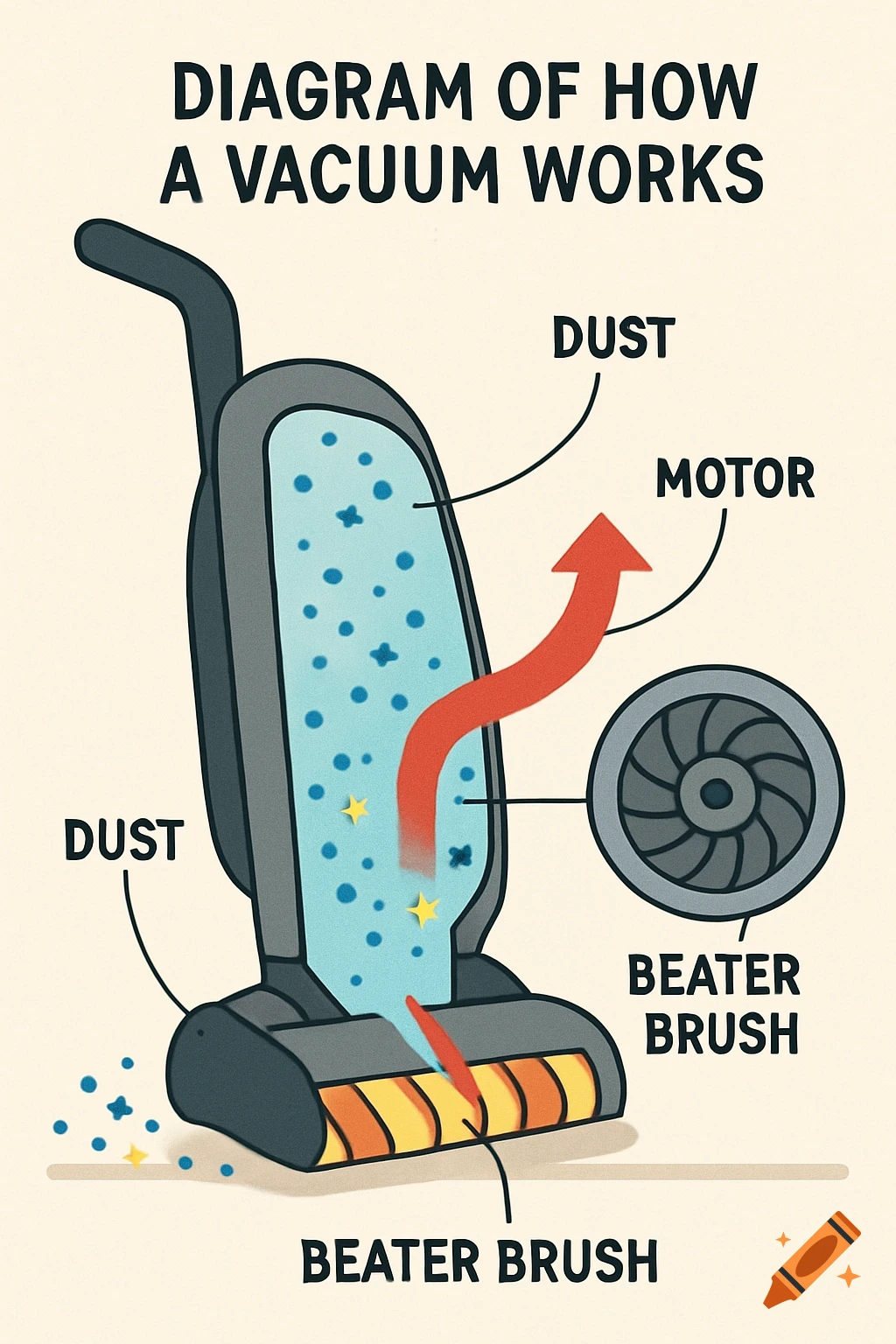
What Is a Vacuum Cleaner Brush Assembly?
A brush assembly is the cleaning mechanism located near the vacuum head. Its main job is to agitate carpet fibers and loosen dirt so the suction system can collect it.
When people ask how does brush assembly for a vacuum cleaner work, they are usually referring to the rotating brush roll and the parts that support its movement. These parts work together to create effective floor cleaning.
The exact design varies by manufacturer, but the basic concept remains the same across most vacuum cleaners sold in the United States.
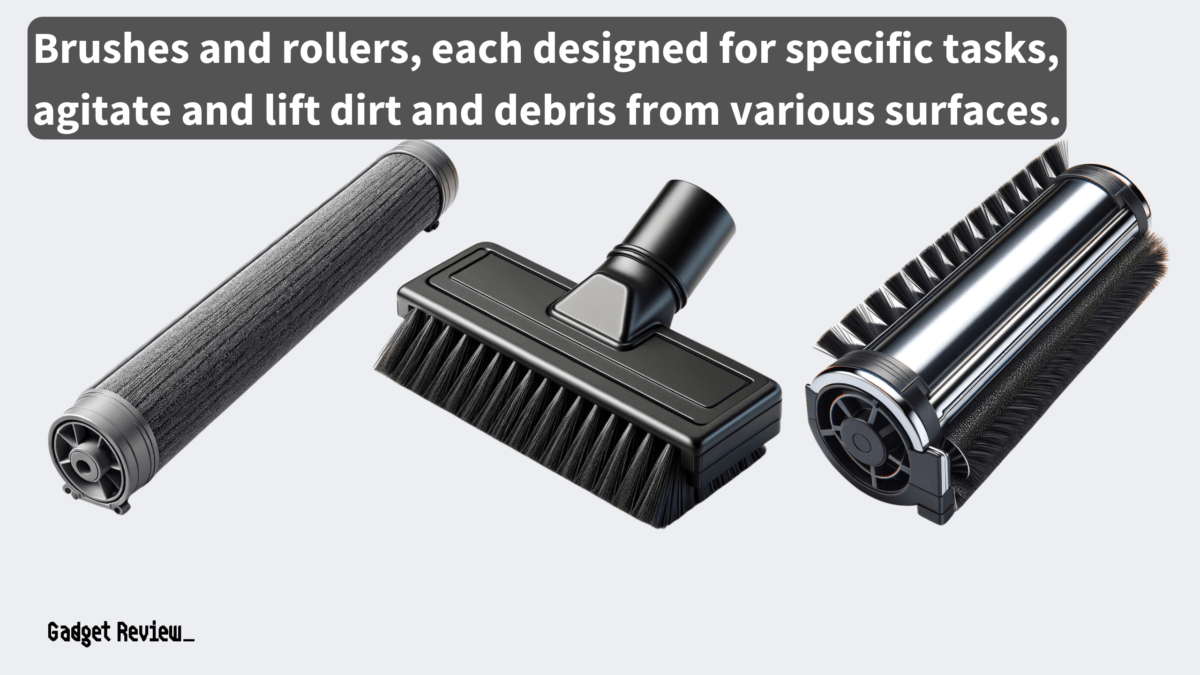
- ✦ Brush Roll
The rotating cylinder covered with bristles.
- ✦ Drive System
A belt or motor that turns the brush.
- ✦ Bearings
Allow smooth rotation with less friction.
- ✦ Housing
Protects and supports the assembly.
Why Brush Assemblies Matter
Without a brush assembly, many vacuums struggle to remove embedded dirt from carpets. The rotating action lifts debris that suction alone may miss.
- ✦ Deeper Cleaning
Improves dirt removal from carpet fibers.
The Main Components of a Brush Assembly
To understand how does brush assembly for a vacuum cleaner work, it helps to examine each component. Every part contributes to the movement and cleaning ability of the system.
Modern brush assemblies are engineered to balance cleaning power, durability, and ease of maintenance.

- ✦ Bristles
Sweep and loosen dirt from surfaces.
- ✦ Brush Core
Supports the bristles and rotates during operation.
- ✦ End Caps
Hold the brush securely in place.
- ✦ Bearings
Reduce resistance while spinning.
Brush Roll Design
Some brush rolls use stiff bristles for carpets, while others use soft materials for delicate floors. Premium models may combine multiple materials for better performance.
- ✦ Multi-Surface Use
Allows cleaning on carpet and hard flooring.
How the Brush Assembly Actually Works
The answer to how does brush assembly for a vacuum cleaner work starts with rotation. Once the vacuum is powered on, a motor or belt turns the brush roll.
As the brush rotates, the bristles strike carpet fibers and loosen trapped dirt, dust, crumbs, and pet hair. At the same time, the vacuum motor creates airflow that pulls the debris into the collection bin or bag.
The combination of agitation and suction creates a more thorough cleaning process than either action alone.
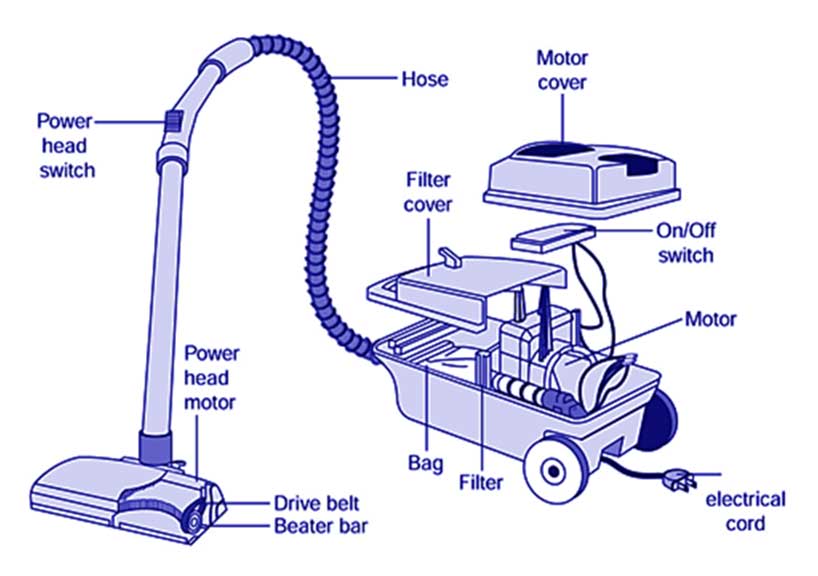
- ✦ Step 1
Power reaches the motor or drive system.
- ✦ Step 2
The brush roll begins spinning.
- ✦ Step 3
Bristles loosen dirt from surfaces.
- ✦ Step 4
Suction removes the debris.
The Role of Agitation
Agitation helps break dirt loose from carpet fibers. This is why brush-equipped vacuums often outperform suction-only models on carpets.
- ✦ Better Dirt Removal
Improves cleaning in high-traffic areas.
Belt-Driven vs Motorized Brush Assemblies
Another important part of understanding how does brush assembly for a vacuum cleaner work is knowing how the brush receives power.
Traditional vacuums often use rubber belts. The vacuum motor spins the belt, and the belt rotates the brush roll. Newer models frequently use dedicated brush motors that provide stronger and more consistent performance.
Motorized brush systems usually maintain better cleaning power when handling pet hair and thick carpets.

- ✦ Belt-Driven System
Simple and affordable but belts can wear out.
- ✦ Motorized System
Offers stronger and more consistent brush performance.
Which Design Lasts Longer?
Motorized systems often require fewer belt replacements. However, both designs can last many years when properly maintained.
- ✦ Maintenance Matters
Cleaning hair and debris helps extend service life.
How Self-Cleaning Brush Rolls Work
Many modern vacuums now include self-cleaning brush technology. These systems are designed to reduce hair wrapping around the brush roll.
If you have pets, understanding how does brush assembly for a vacuum cleaner work in a self-cleaning model can help explain why these vacuums require less maintenance.
Special combs, guides, and blade-like structures remove hair from the rotating brush before it can build up.
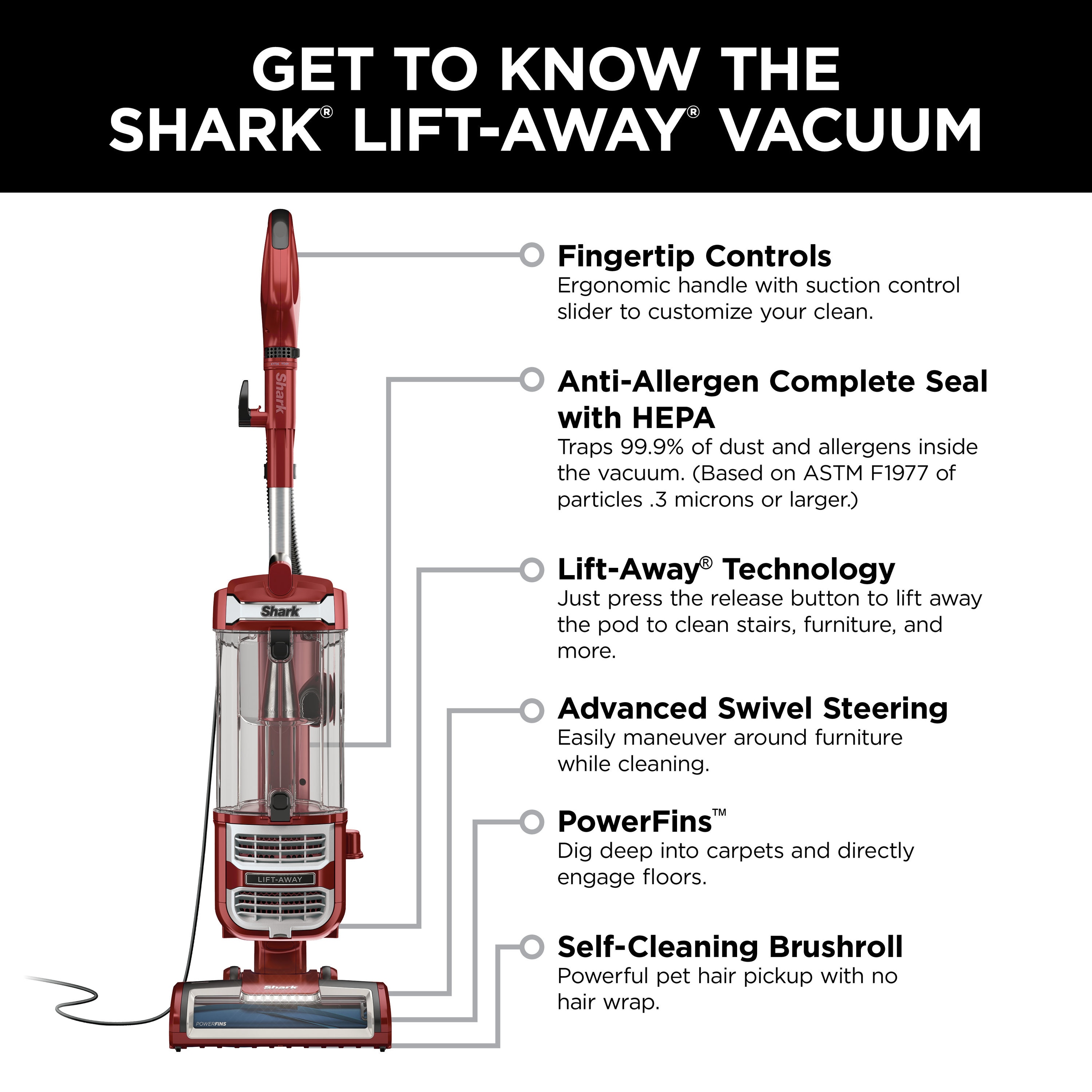
- ✦ Hair Removal
Reduces tangles around the brush roll.
- ✦ Less Maintenance
Requires less manual cleaning.
Benefits for Pet Owners
Homes with dogs and cats often experience heavy hair buildup. Self-cleaning systems help maintain performance between maintenance sessions.
- ✦ Consistent Cleaning
Keeps brush performance steady over time.
Common Brush Assembly Problems and Solutions
Even the best vacuum cleaners can develop brush-related issues. Knowing how does brush assembly for a vacuum cleaner work makes troubleshooting easier.
Hair buildup, worn belts, damaged bearings, and clogged brush housings are among the most common problems. Most of these issues can be fixed with basic maintenance.
Ignoring brush assembly problems can reduce cleaning performance and place extra strain on the vacuum motor.
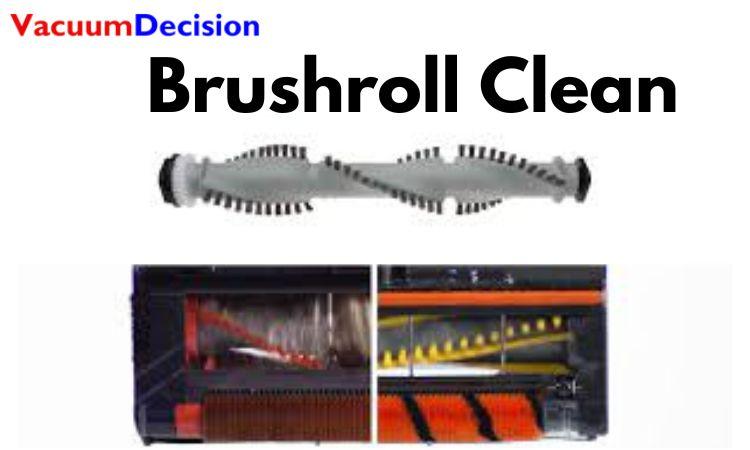
- ✦ Brush Not Spinning
Check belts, motors, and blockages.
- ✦ Poor Cleaning
Remove debris wrapped around the brush.
- ✦ Strange Noise
Inspect bearings and end caps.
When to Replace Parts
Replace worn brushes, cracked belts, or damaged bearings as soon as possible. Fresh components often restore cleaning performance.
- ✦ Regular Inspection
Check the brush assembly every few months.
Maintenance Tips for Better Performance
The best way to keep a brush assembly working efficiently is regular maintenance. This simple habit extends the life of the vacuum and improves cleaning results.
From personal experience, removing tangled hair every few weeks prevents many common performance issues. It only takes a few minutes and can save money on repairs.
Anyone who wants to fully understand how does brush assembly for a vacuum cleaner work should also understand how to maintain it.

- ✦ Clean the Brush Roll
Remove hair, thread, and debris regularly.
- ✦ Inspect Belts
Replace worn or stretched belts.
- ✦ Check Bearings
Ensure smooth rotation.
- ✦ Follow Manufacturer Instructions
Use recommended maintenance schedules.
Safe Cleaning Procedure
Always unplug the vacuum before servicing the brush assembly. Use scissors or a cleaning tool carefully when removing tangled hair.
- ✦ Safety First
Disconnect power before maintenance.