How Many RPM Does a Vacuum Cleaner Spin? Vacuum Motor Speed
Many homeowners ask, “how many rpm does a vacuum cleaner spin” when comparing vacuum models. RPM means revolutions per minute. It tells you how fast the motor or rotating part turns.
In my experience working with household cleaning equipment, people often assume a higher RPM always means better cleaning. That is not always true. A vacuum’s overall performance depends on airflow, suction, filtration, brush design, and motor efficiency working together.
What Does RPM Mean in a Vacuum Cleaner?
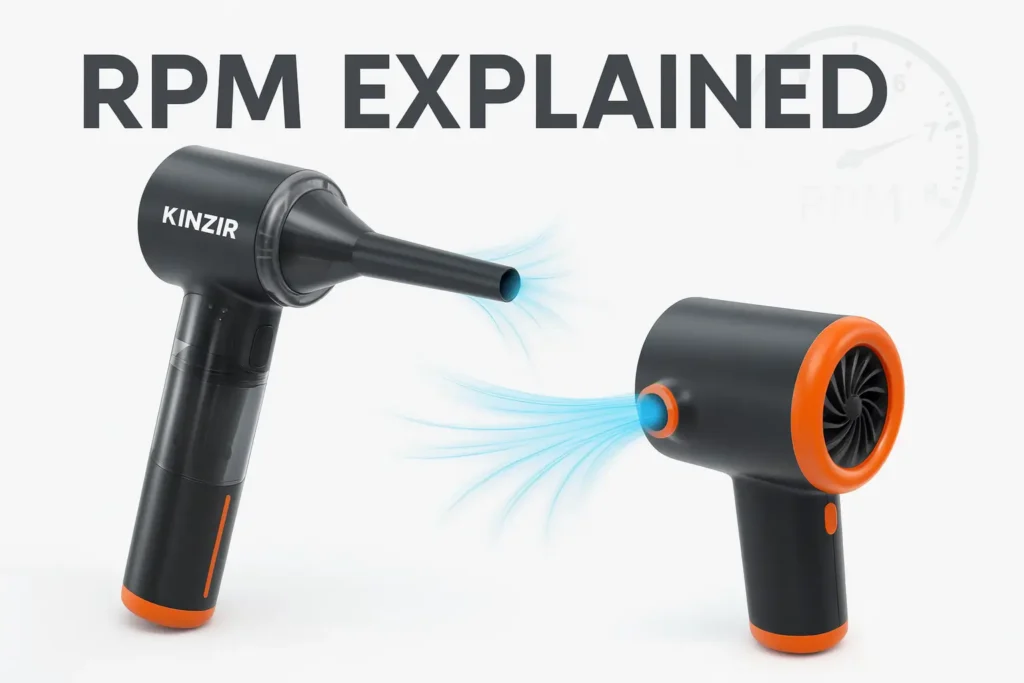
When people ask how many rpm does a vacuum cleaner spin, they are usually talking about the motor speed. RPM stands for revolutions per minute. It measures how many complete rotations a motor shaft makes in one minute.
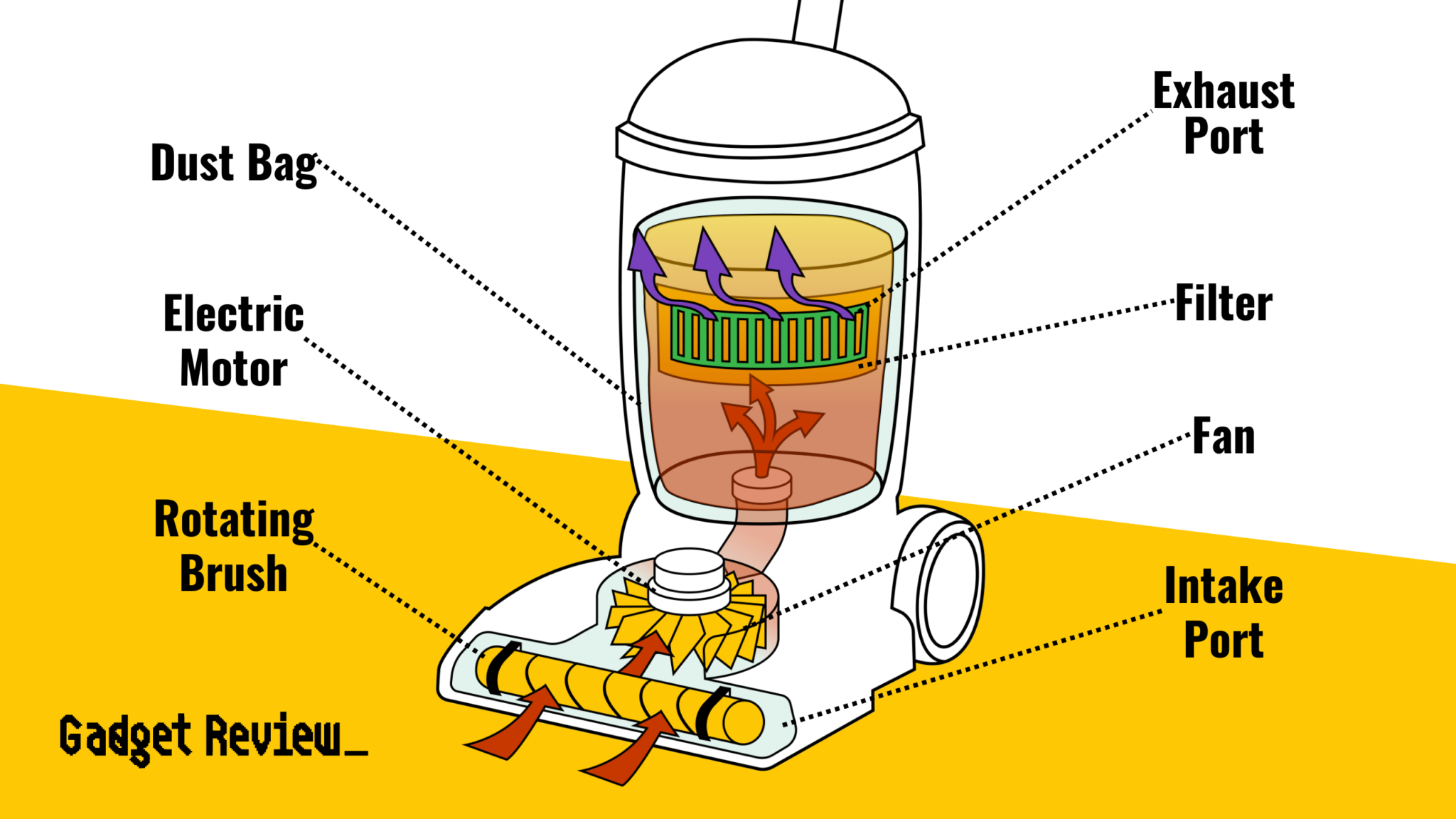
A higher RPM allows the motor fan to move air more quickly. This helps create the pressure difference that generates suction. However, RPM alone does not tell the full story of cleaning performance.
- ✦ RPM Definition
The number of full motor rotations completed in one minute.
- ✦ Purpose
Helps generate airflow and suction inside the vacuum.
- ✦ Limitation
Higher RPM does not automatically mean stronger cleaning power.
Motor RPM vs Brush Roll RPM
Some vacuum specifications refer to motor RPM, while others refer to brush roll RPM. Motor RPM is usually much higher. Brush rolls often rotate at lower speeds because they are geared differently for carpet agitation.
- ✦ Motor RPM
Usually ranges from tens of thousands of RPM.
- ✦ Brush Roll RPM
Typically much lower and focused on surface cleaning.
How Many RPM Does a Vacuum Cleaner Spin on Average?
The answer to how many rpm does a vacuum cleaner spin depends on the vacuum type and motor design. Traditional household vacuums often operate between 10,000 and 35,000 RPM. Premium models may run much faster.
Modern cordless vacuums have pushed motor technology forward. Some compact digital motors spin at 80,000 RPM, 100,000 RPM, or even higher in certain designs. These speeds help create strong suction while keeping the motor small.

- ✦ Standard Household Vacuums
Commonly operate between 10,000 and 35,000 RPM.
- ✦ Cordless Models
Frequently operate between 60,000 and 100,000 RPM.
- ✦ Specialty Motors
May exceed 100,000 RPM in advanced designs.
Why RPM Ranges Vary
Manufacturers choose different RPM targets based on power consumption, cooling needs, noise levels, airflow goals, and product size. A large upright vacuum and a lightweight cordless vacuum may use very different motor designs.
- ✦ Design Goals
Size, efficiency, and performance all influence RPM selection.
RPM by Vacuum Cleaner Type
Understanding how many rpm does a vacuum cleaner spin becomes easier when you compare vacuum categories. Each type uses a different balance of speed, airflow, and cleaning performance.
Manufacturers design motors around the intended cleaning task. A robot vacuum has different requirements than a full-size upright machine.
- ✦ Upright Vacuums
Often focus on deep carpet cleaning and strong airflow.
- ✦ Canister Vacuums
Balance suction power and quiet operation.
- ✦ Cordless Vacuums
Use high-speed motors to maximize performance in compact designs.
Robot Vacuums
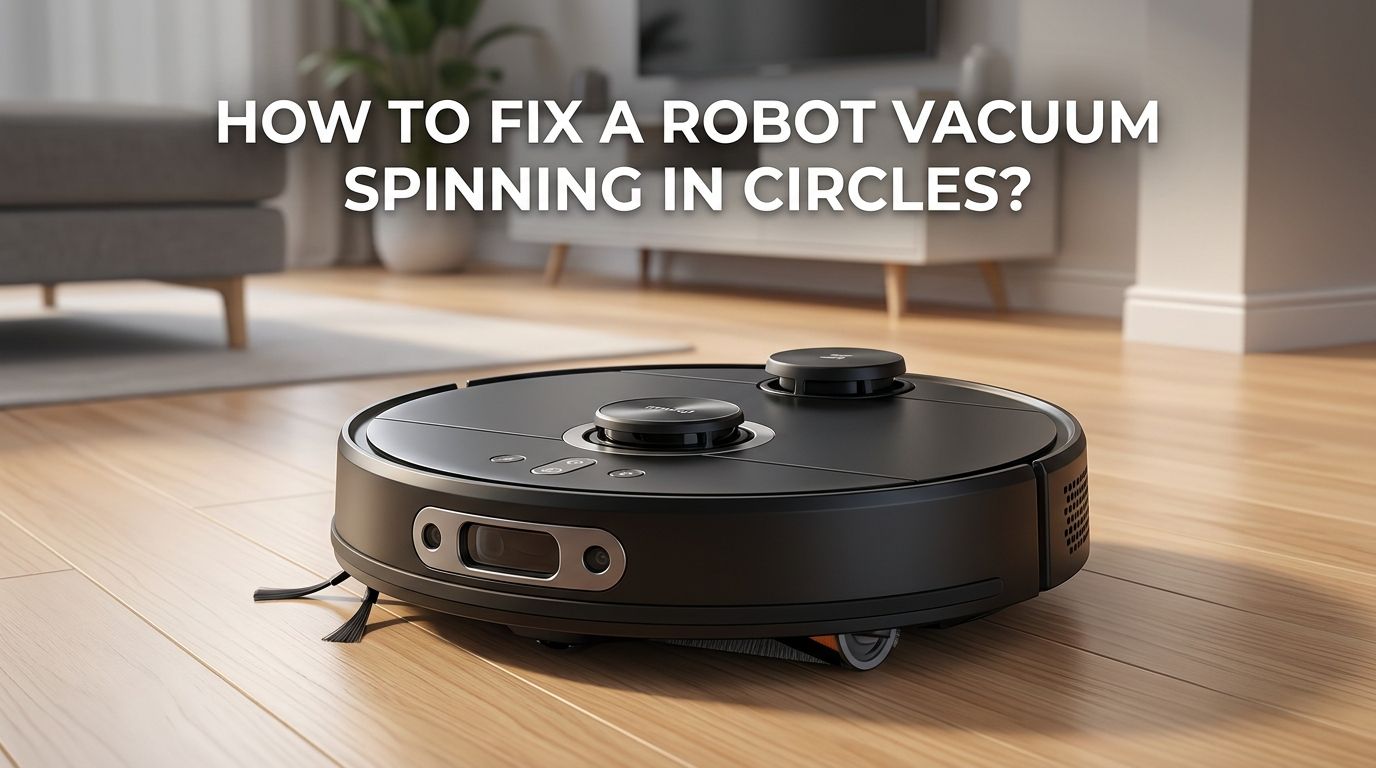
Robot vacuums typically use smaller motors than full-size machines. Their cleaning systems prioritize efficiency, battery life, and automated operation.
- ✦ Battery Efficiency
Motor speed is optimized for longer run times.
Handheld Vacuums
Portable handheld models often rely on high-speed motors to generate useful suction despite their small size.
- ✦ Compact Design
High RPM helps compensate for limited motor size.
Does Higher RPM Mean Better Suction?
Many shoppers wonder if the answer to how many rpm does a vacuum cleaner spin directly predicts cleaning performance. The reality is more complicated. RPM is only one part of the equation.
Strong suction comes from the combination of motor speed, fan design, airflow path, seals, filters, and nozzle engineering. A well-designed vacuum can outperform a higher-RPM model with poor airflow management.

- ✦ Airflow Matters
Moving air efficiently is essential for dirt pickup.
- ✦ Fan Design
The motor fan influences suction as much as RPM.
- ✦ System Efficiency
Leaks and restrictions can reduce performance.
Real-World Cleaning Results
In practical home cleaning, brush performance, floor type, and airflow often matter more than raw motor speed. A balanced design usually delivers the best results.
- ✦ Balanced Performance
Efficient airflow and suction often beat pure RPM numbers.
Factors That Affect Vacuum Cleaner RPM
Several factors determine how many rpm does a vacuum cleaner spin during operation. Motor technology is one of the biggest influences. New brushless motors can achieve very high speeds efficiently.
Battery voltage, electrical power, cooling systems, and load conditions also affect RPM. As filters clog or airflow changes, actual operating speed may vary slightly.

- ✦ Motor Technology
Brushless motors often achieve higher RPM efficiently.
- ✦ Power Supply
Voltage and wattage influence motor speed.
- ✦ Cooling Design
Heat management helps maintain performance.
- ✦ Maintenance
Clean filters help the vacuum operate properly.
Importance of Maintenance
Regular maintenance helps preserve airflow and motor efficiency. Emptying dust bins and replacing filters can improve overall vacuum performance.
- ✦ Clean Filters
Reduce restrictions and improve airflow.
What RPM Should You Look For When Buying a Vacuum?
When evaluating how many rpm does a vacuum cleaner spin, treat RPM as one specification among many. Look at suction ratings, filtration quality, runtime, noise levels, and cleaning tests as well.
For most U.S. households, overall cleaning performance matters more than chasing the highest RPM figure. A vacuum that cleans your floors effectively and reliably is usually the better choice.
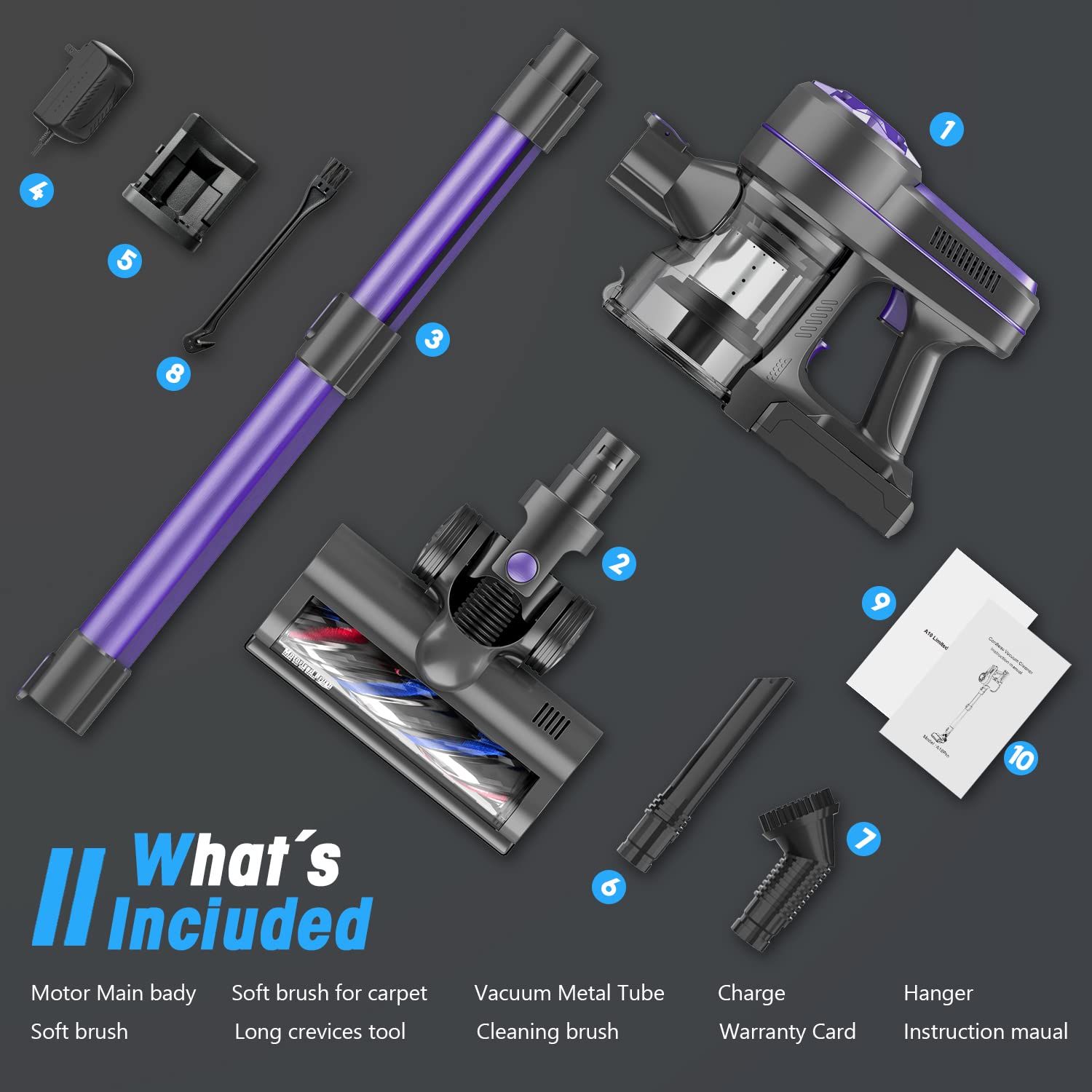
- ✦ Check Overall Performance
Compare suction, airflow, filtration, and usability.
- ✦ Consider Flooring
Different homes require different cleaning strengths.
- ✦ Review Maintenance Needs
Easy maintenance supports long-term performance.
Best Approach for Buyers
Use RPM as a helpful technical detail rather than the only buying factor. Real-world cleaning tests often reveal more about performance than a single specification.
- ✦ Smart Shopping
Focus on cleaning results and reliability.