How Does a Vacuum Cleaner Work? The Science Explained Simply
The science behind a vacuum cleaner is easier to understand than it may seem. A vacuum does not simply create an empty space that sucks up dirt. Instead, its motor drives a fan that moves air through the machine and creates a pressure difference between the inside of the cleaner and the air around it.
When air moves toward a lower-pressure area, it can carry loose dust, crumbs, hair, and other small particles with it. The cleaner then guides that dirty air through a bag or dust bin and a set of filters. This basic process explains how does a vacuum cleaner work science in a practical way for everyday cleaning in U.S. homes.
The Basic Science Behind a Vacuum Cleaner
To understand how does a vacuum cleaner work science, start with air pressure. Air naturally moves when there is a pressure difference. A vacuum cleaner creates and controls this difference by using a motor and fan to move air through a sealed path.
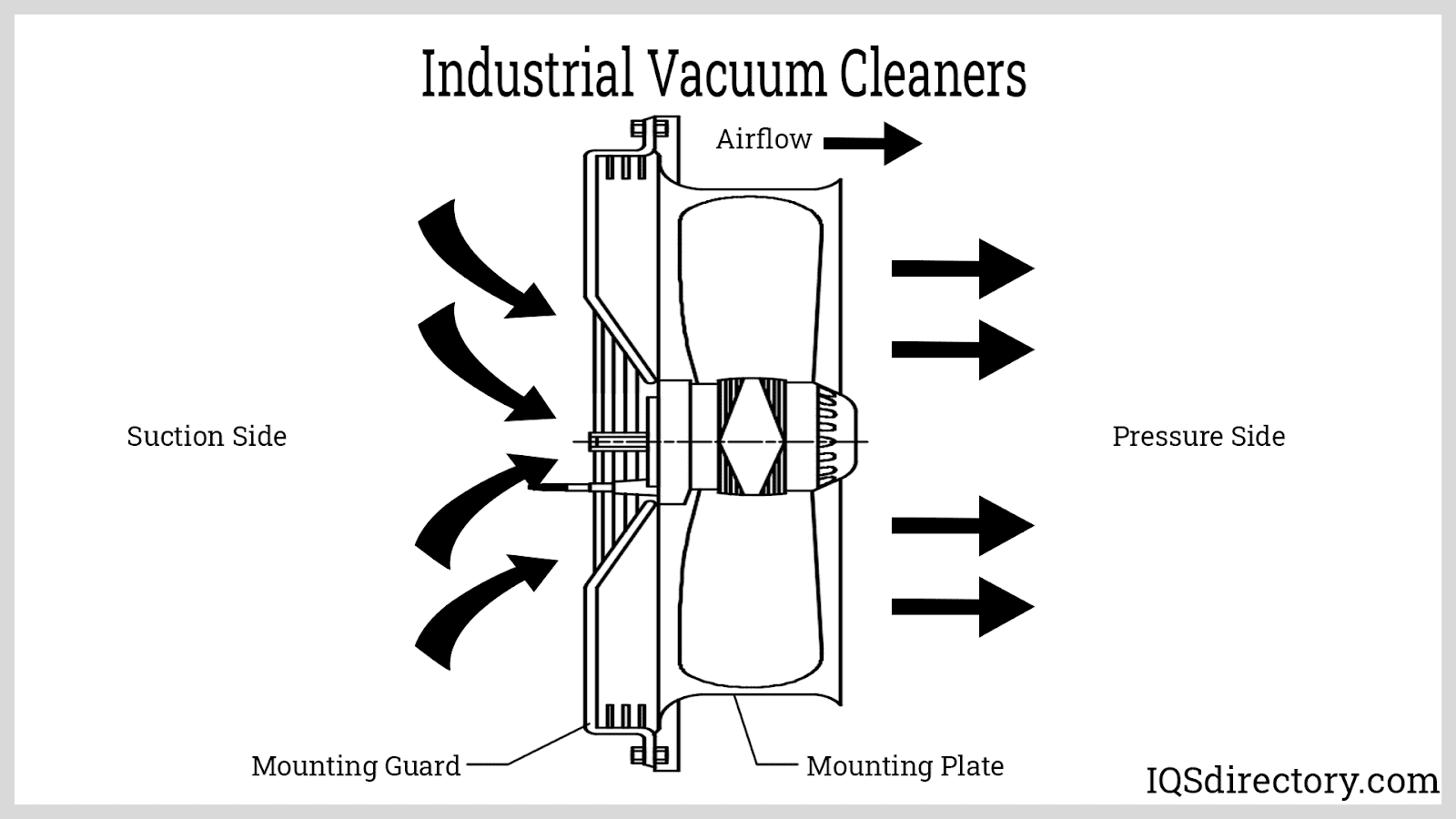
The fan does not pull dirt by itself. It spins at high speed and pushes air toward the exhaust side of the machine. This lowers the air pressure in the intake path. The higher pressure outside the cleaner then helps push surrounding air, along with loose dirt, toward the intake opening.
This is why the word suction can be a little misleading. The cleaner mainly works by moving air and using the resulting pressure difference. The strength of the cleaning system also depends on how well that air can flow through the nozzle, hose, bin, bag, and filters.

- ✦ Motor
The motor supplies the mechanical energy needed to spin the fan.
- ✦ Fan
The fan moves air through the cleaner and helps create the pressure difference.
- ✦ Air path
The intake, hose, chamber, filters, and exhaust form a controlled route for moving air.
- ✦ Dust collector
A bag or bin holds the dirt that the airflow carries into the machine.
Why Air Moves Into the Cleaner
Imagine opening a door between two rooms with different air pressures. Air tends to move from the higher-pressure side toward the lower-pressure side. A vacuum cleaner creates a similar pressure difference near its intake, although the effect happens inside a controlled airflow system.
The moving air can pick up loose particles because the particles have much less weight than larger objects. Once dirt enters the airflow, the stream carries it through the cleaner until a filter, bag, or bin separates it from the air.
Is a Vacuum a True Vacuum?
No. A household vacuum cleaner does not create a perfect vacuum. The term describes the cleaning appliance and its low-pressure intake area, not a space with all air removed.
A real vacuum in physics means a region with extremely little matter. A household cleaner instead uses a pressure difference to move air. That distinction is an important part of understanding how does a vacuum cleaner work science.
How the Vacuum Cleaner Motor and Fan Create Airflow
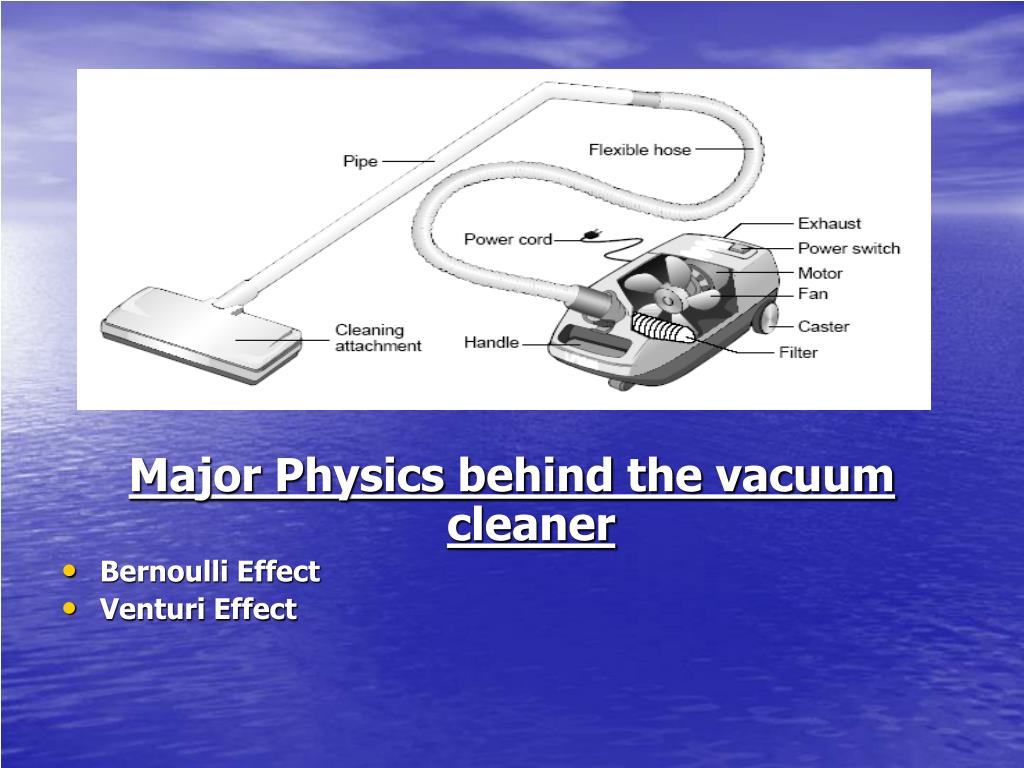
The motor is the main source of power in many traditional vacuum cleaners. When electricity reaches the motor, it turns an internal shaft. That shaft spins the fan, which moves air through the machine.
The fan has shaped blades that guide air as they rotate. The exact fan design varies by cleaner, but the goal remains the same: move a large amount of air through the system while creating a useful pressure difference at the intake.
This airflow is central to how does a vacuum cleaner work science. A powerful motor alone does not guarantee strong cleaning. The motor, fan, seals, hose, nozzle, dust chamber, and filters must work together.
- ✦ Electrical energy
Power from the outlet or battery reaches the motor.
- ✦ Mechanical energy
The motor converts electrical energy into rotation.
- ✦ Air movement
The rotating fan moves air through the vacuum’s internal path.
- ✦ Pressure difference
Air movement creates a lower-pressure region near the intake.
Why Fan Speed Matters
Fan speed affects how quickly the machine can move air. But faster is not always enough. The shape of the fan and the resistance created by the rest of the airflow system also affect performance.
A narrow hose, blocked filter, or packed dust bin can restrict airflow. In such cases, the motor may still run, but the cleaner may collect dirt less effectively.
What Suction Really Means in Vacuum Cleaner Science
People often use suction to describe the pulling action of a vacuum. In physics, the more useful idea is pressure difference. The air outside the intake pushes toward the lower-pressure region created by the cleaner’s airflow system.
The amount of pressure difference matters, but airflow matters too. A cleaner needs enough air movement to carry dirt away from the surface and into the dust collection system.
This explains why how does a vacuum cleaner work science is not just a question about suction power. A good cleaning system balances pressure, airflow, nozzle design, brush action, and filtration.
- ✦ Pressure difference
A difference between outside and inside pressure helps drive air into the intake.
- ✦ Airflow
Moving air carries loosened particles through the machine.
- ✦ Contact with the surface
The nozzle helps direct airflow close to the floor or other surface.
- ✦ Air resistance
Hoses, filters, bends, and narrow passages can limit airflow.
Pressure Versus Airflow
Pressure and airflow are related but not identical. Pressure describes the force difference that drives air movement, while airflow describes how much air passes through a point over time.
A vacuum cleaner can produce a strong pressure difference when airflow is restricted, but that does not always mean it will clean well. For many cleaning tasks, the ability to keep useful airflow moving through the nozzle is also important.
How a Vacuum Cleaner Picks Up Dirt and Dust
A vacuum cleaner must first loosen dirt from the surface. Loose crumbs and dust may move with airflow right away, while hair, grit, and particles trapped in carpet fibers often need extra mechanical action.
The floor nozzle brings the intake close to the surface. This helps focus the airflow on a small area instead of allowing air to enter from many directions.
On carpet, a rotating brush roll can agitate fibers and loosen embedded particles. Once those particles enter the moving air, the airflow carries them toward the dust collection chamber.
- ✦ Nozzle
The nozzle focuses the airflow near the surface being cleaned.
- ✦ Brush roll
A rotating brush can loosen dirt that clings to carpet fibers.
- ✦ Air stream
Moving air carries loosened particles into the cleaner.
- ✦ Dust chamber
The machine collects dirt before the cleaned air reaches the exhaust.
Why Nozzle Design Matters
The shape of the nozzle can change how air moves near the floor. A good seal can help focus the airflow, while an opening that is too large or poorly matched to the surface can allow more air to enter from unwanted paths.
Different floors also need different approaches. A hard floor may need gentle suction and a soft brush, while carpet often benefits from a brush roll that reaches into the pile.
How a Brush Roll Helps
A brush roll uses mechanical motion to disturb dirt and fibers. Its bristles or other cleaning surfaces can lift particles that airflow alone may not remove easily.
The brush does not replace suction. Instead, it works with airflow. This combination is a key part of how does a vacuum cleaner work science on carpets.
How the Vacuum Collects Dirt Without Blowing It Back Out
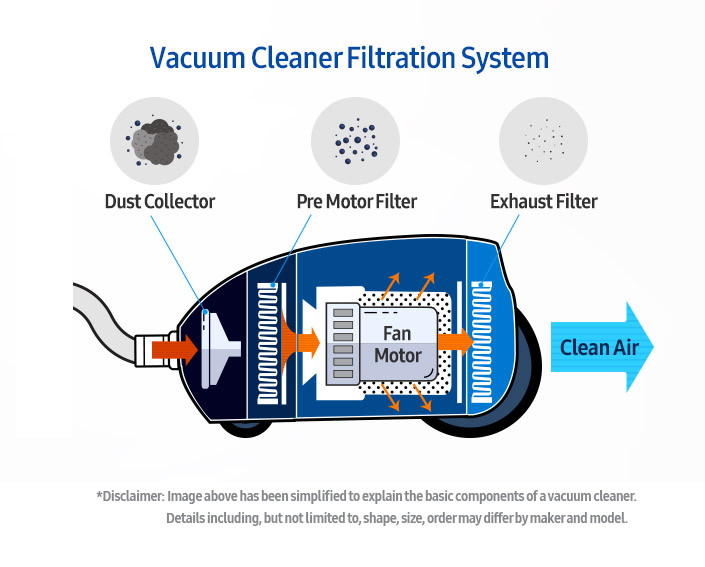
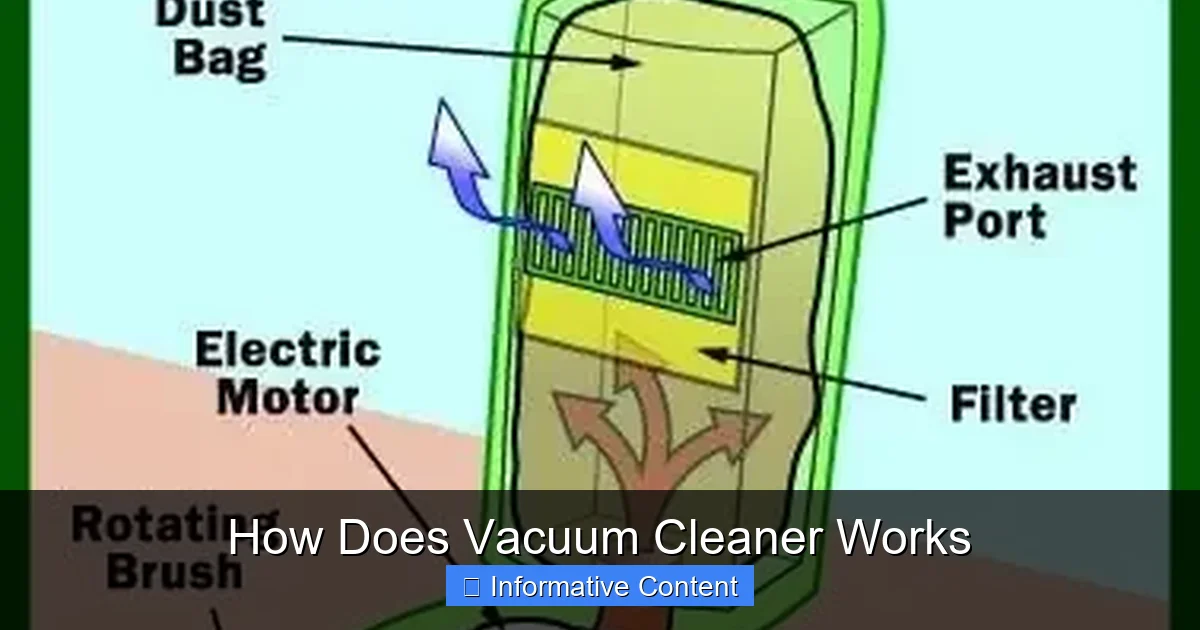
Once dirty air enters the vacuum, the machine needs to separate particles from the air stream. Bagged models use a disposable or reusable bag as the main collection chamber. Bagless models send the dirty air into a dust bin and use filters and air separation methods to capture particles.
The goal is simple: keep as much collected material as practical inside the machine while allowing air to continue moving. The air then passes through one or more filters before leaving through the exhaust.
This separation step is another important part of how does a vacuum cleaner work science. Without proper filtration and collection, captured dust could travel through the machine and return to the room.

- ✦ Bagged system
A porous bag holds collected debris while allowing air to pass through.
- ✦ Bagless system
A dust bin collects debris, often with air separation and filters helping remove particles.
- ✦ Pre-motor filter
This filter can help protect the motor from particles that should not reach it.
- ✦ Exhaust filter
This filter helps reduce particles that might otherwise leave with the exhaust air.
How Filters Affect Performance
Filters create resistance because air must pass through their material. A clean filter can allow the designed airflow to continue, while a clogged filter can make it harder for air to move.
That is why filter care matters. Following the manufacturer’s cleaning or replacement instructions can help the machine maintain its intended airflow.
The Role of Air Resistance and Seals
Air does not move through a vacuum cleaner without resistance. Every hose, bend, opening, filter, and internal passage affects the path. The machine must be designed so the airflow can travel through these parts without excessive loss.
Leaks can also matter. If air enters through a crack or loose connection instead of the intended intake, the cleaner may lose useful airflow at the nozzle.
These effects help explain why how does a vacuum cleaner work science includes more than the motor. The whole air path acts as one system, and a problem in one part can affect cleaning at the floor.
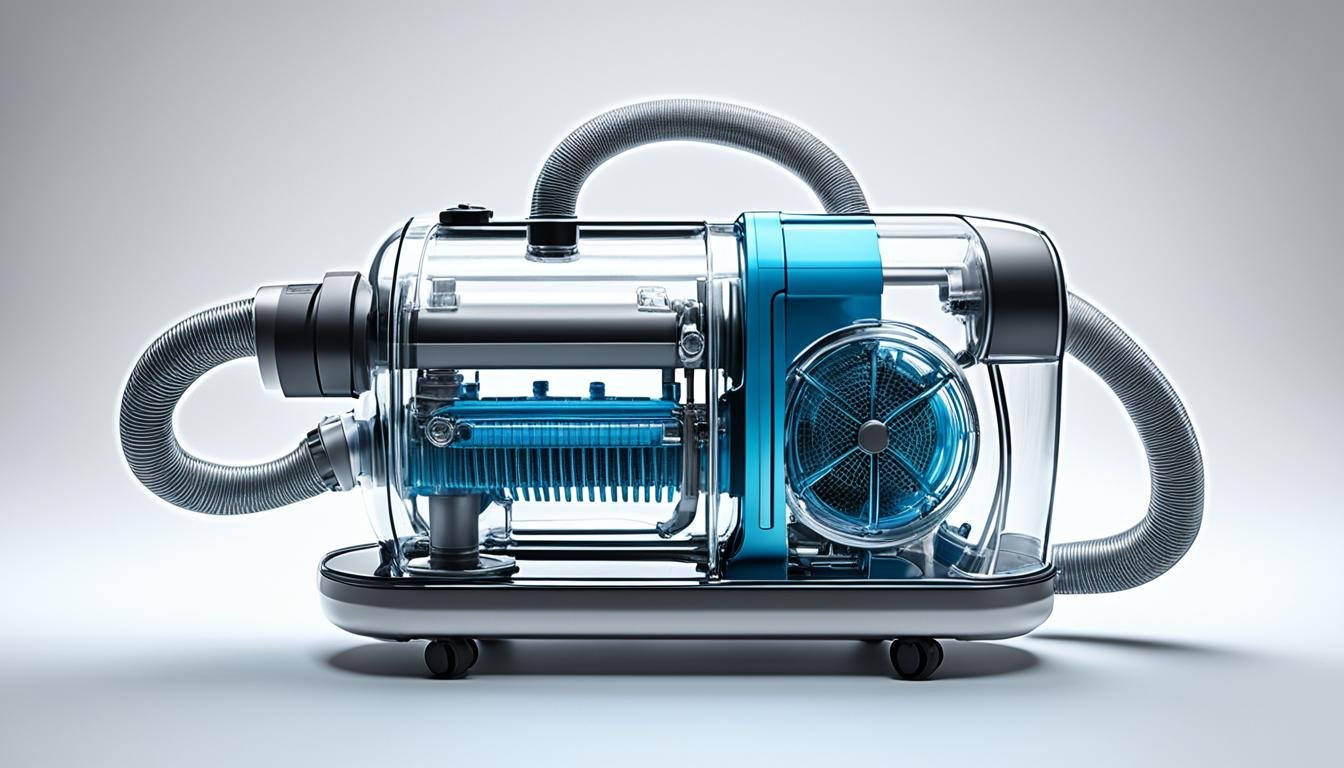
- ✦ Clogged hose
A blockage can restrict the amount of air that reaches the dust path.
- ✦ Dirty filter
A loaded filter can increase resistance to airflow.
- ✦ Full dust bin
A crowded collection area can reduce airflow in some designs.
- ✦ Air leaks
Loose seals can let air enter through paths that bypass the cleaning nozzle.
Why a Clogged Vacuum Loses Cleaning Power
When a hose or filter becomes blocked, the normal airflow path becomes harder to use. The motor may still make its usual sound, but the nozzle may move less air across the surface.
This is a useful real-world example of how does a vacuum cleaner work science. Cleaning performance depends on the complete airflow system, not only on the electrical power going into the motor.
How Different Types of Vacuum Cleaners Use the Same Basic Science
Upright, canister, stick, handheld, and robot vacuums can look very different. Yet most use the same core idea: move air through a controlled path, carry dirt with that air, separate the dirt, and release cleaner air.
The design changes to suit the job. An upright vacuum may use a wide cleaning head and powered brush roll. A stick vacuum aims for a lighter body, while a robot vacuum uses compact components and automated movement.
Learning how does a vacuum cleaner work science makes these differences easier to understand. The shape and controls change, but the basic physics remains based on airflow and pressure difference.

- ✦ Upright vacuum
Often combines a floor head, brush roll, motor, dust system, and handle in one main body.
- ✦ Canister vacuum
Keeps the main motor and dust system in a separate canister connected to a cleaning hose.
- ✦ Stick vacuum
Uses a slim design and often a compact motor and dust bin.
- ✦ Robot vacuum
Uses similar airflow principles but adds sensors, wheels, software, and automatic navigation.
- ✦ Handheld vacuum
Uses a small airflow system for quick cleaning of limited areas.
Corded and Cordless Designs
A corded vacuum gets electrical energy from a household outlet. A cordless model stores energy in a rechargeable battery and uses electronic controls to manage the motor.
The energy source changes, but the basic cleaning physics does not. Both designs still need a motor, airflow path, dust collection method, and filtration system.
Why a Vacuum Cleaner Cannot Pick Up Every Type of Dirt
A vacuum cleaner works best when the material can be moved by the airflow and safely handled by the machine. Heavy objects may need more mechanical force than the airflow can provide. Large objects can also block the nozzle or hose.
Wet material is another concern. A standard dry vacuum is not designed to handle liquids unless the manufacturer specifically says it can. Water can damage electrical parts and may create other safety problems.
The science also has limits on very fine particles. Filters and seals must be suited to the particle size and the cleaner’s design. This is why users should follow the instructions for the specific vacuum rather than assuming every model can handle every material.
- ✦ Large debris
Large objects may not fit through the nozzle or hose.
- ✦ Heavy particles
Dense material can require more force than normal airflow can provide.
- ✦ Liquid
Do not use a standard dry vacuum for liquid unless the manufacturer approves that use.
- ✦ Fine dust
Very fine particles require suitable filtration and proper machine design.
How to Keep the Science Working in Your Vacuum
A vacuum cleaner can only maintain its designed airflow when its key parts stay clear and functional. Simple care can reduce common airflow problems and help the machine perform as intended.
The exact maintenance steps depend on the model. Still, most users can benefit from checking the dust bin or bag, inspecting the hose, and cleaning or replacing filters as directed by the manufacturer.
These small steps connect directly to how does a vacuum cleaner work science. When airflow has a clear path, the motor and fan can move air through the system as designed.
- ✦ Empty the dust bin
Follow the manufacturer’s guidance rather than allowing the collection chamber to become overly full.
- ✦ Replace the bag
If your vacuum uses bags, install a new one at the recommended point.
- ✦ Clean or replace filters
Use the correct method and schedule for your model.
- ✦ Check the hose
Look for clogs that could restrict airflow.
- ✦ Inspect the brush roll
Remove wrapped hair and debris when the manufacturer permits user cleaning.
A Simple Airflow Check
If a vacuum suddenly cleans poorly, first check for an obvious blockage or full collection chamber. Then inspect the filters and cleaning head according to the owner’s manual.
Do not open electrical parts unless the manufacturer says the procedure is safe for the user. A vacuum contains moving parts and electrical components that require care.