How Does a Wet and Dry Vacuum Cleaner Work? A Complete Guide
If you have ever spilled water in a garage, cleaned sawdust after a home project, or dealt with a clogged drain area, you may have asked, **how does a wet and dry vacuum cleaner work**? The basic idea is simple. A motor drives a fan that creates a pressure difference, and air moves through the hose toward the collection tank.
Unlike a standard household vacuum, a wet and dry vacuum is built to collect both dry debris and certain liquids. The exact setup varies by model, so the owner’s manual matters. In my experience with vacuum equipment, the most important lesson is simple: **use the right filter, nozzle, and setting for the mess you are cleaning**.
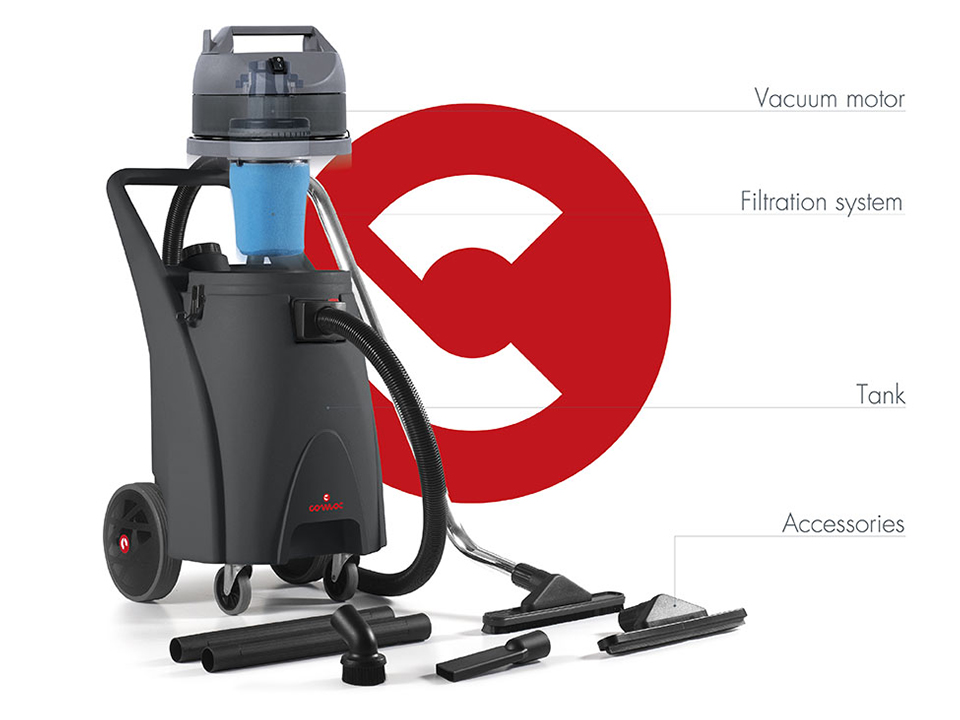
How Does a Wet and Dry Vacuum Cleaner Work?
To understand how does a wet and dry vacuum cleaner work, start with airflow. When you turn the machine on, its electric motor spins a fan or impeller. The fan lowers air pressure inside the vacuum, while normal air pressure pushes air and loose material through the hose.
The collected material enters the tank instead of going straight through the motor. Dry dirt stays in the collection area or is trapped by the filter. When the machine is set up for liquid pickup, the design keeps the liquid away from parts that should remain dry.
This simple airflow system gives a wet and dry vacuum its wide range of uses. It can collect dust, crumbs, wood chips, dirt, and approved liquids. It does not mean every model can safely pick up every liquid or hazardous material.
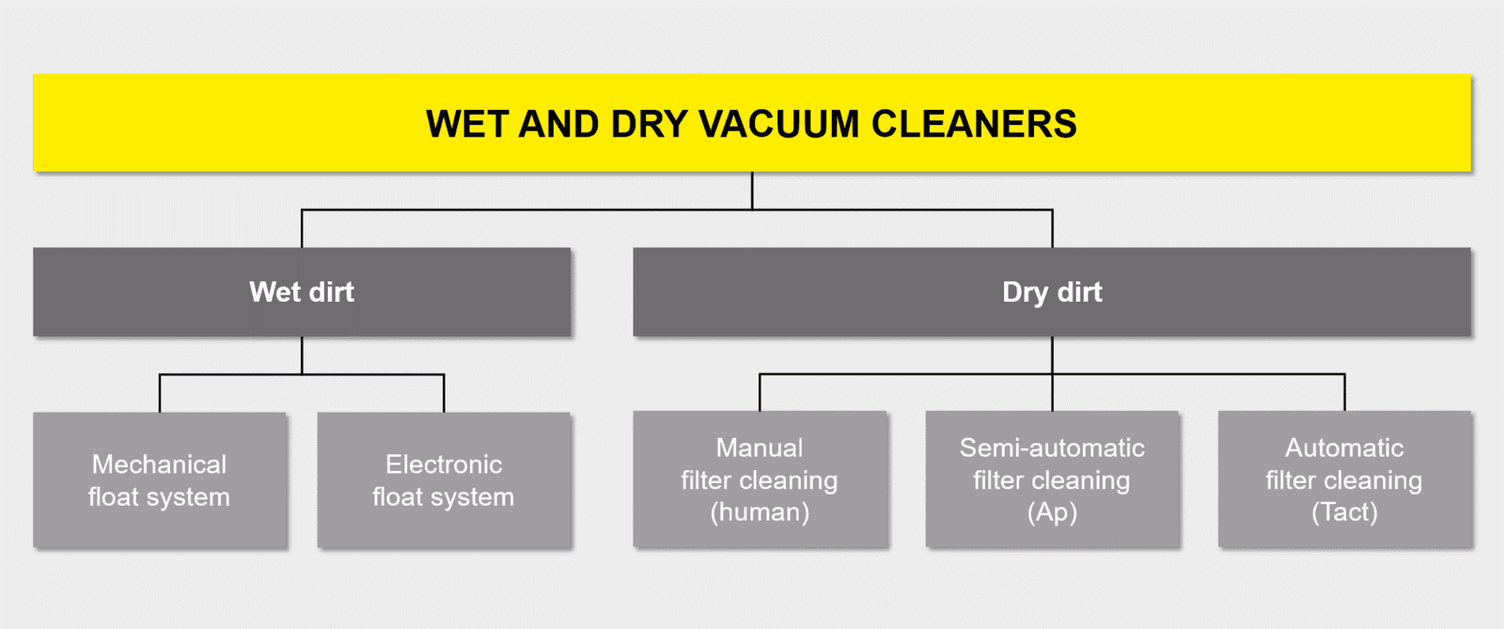
- ✦ Motor
The motor powers the fan that creates the airflow needed for suction.
- ✦ Fan or impeller
The spinning fan moves air through the vacuum and creates the pressure difference that produces suction.
- ✦ Collection tank
The tank holds the dirt, debris, or liquid pulled through the hose.
- ✦ Filter
The filter helps trap fine dry particles and protects the vacuum system. Its use depends on the cleaning mode and model.
The Role of Air Pressure
A vacuum does not pull objects with a magical force. It creates lower air pressure inside the system. Higher pressure outside the hose then pushes air, dust, dirt, and liquid toward the lower-pressure area.
The hose size, nozzle design, filter condition, seals, and airflow path all affect performance. A blocked filter or crushed hose can reduce airflow and make the vacuum seem weak.
- ✦ Air enters
Air and loose material enter through the nozzle and hose.
- ✦ Air moves
The fan keeps air moving through the collection system.
- ✦ Material collects
Dirt or liquid remains in the tank while the cleaned air continues through the machine.
What Parts Make a Wet and Dry Vacuum Work?
Knowing the main parts makes it much easier to understand how does a wet and dry vacuum cleaner work. Most units have a motor head, fan, collection tank, hose, filter system, inlet, and one or more cleaning tools.
The motor head sits above the tank on many shop-style models. The hose connects to an inlet on the tank. As air and material enter, the tank gives the heavier material space to settle before the air reaches the motor and exhaust path.
Each part has a purpose. If one part is damaged, blocked, poorly fitted, or used in the wrong mode, suction can drop and the machine may not work as intended.

- ✦ Hose
The hose carries air and collected material from the cleaning surface into the vacuum.
- ✦ Tank
The tank provides space for collected debris or liquid and is usually designed for quick emptying.
- ✦ Float shutoff
Many wet-capable vacuums use a float system that rises as liquid fills the tank and helps stop liquid from reaching the motor area.
- ✦ Nozzle
Different nozzles shape airflow for floors, upholstery, wet spills, crevices, or larger debris.
Why the Filter Matters
The filter is a key part of dry pickup. It catches fine particles that would otherwise move through the vacuum and return to the room or reach parts that should stay clean.
Wet pickup is different. Many wet and dry vacuums require the dry filter to be removed, changed, or replaced with a filter made for wet use. **Never guess.** Check the instructions for your exact model before switching between dry and wet pickup.
- ✦ Dry pickup
Use the filter setup specified by the manufacturer for dust and dry debris.
- ✦ Wet pickup
Follow the manufacturer’s instructions for the correct wet-pickup setup and filter configuration.
How Does a Wet and Dry Vacuum Cleaner Work for Dry Dirt?
For dry cleaning, the process is close to that of a standard vacuum. The nozzle lifts loose material from the surface, and the hose carries it into the collection tank. Larger debris may settle in the tank while smaller particles meet the filter.
The filter helps keep fine dust from traveling through the exhaust. As the filter becomes loaded with dust, airflow can fall. This is why regular filter cleaning or replacement is an important part of good vacuum care.
A wet and dry vacuum can be useful for garages, workshops, basements, vehicles, and home repair jobs. It can handle larger debris than many compact household vacuums, but users should still follow the machine’s limits.
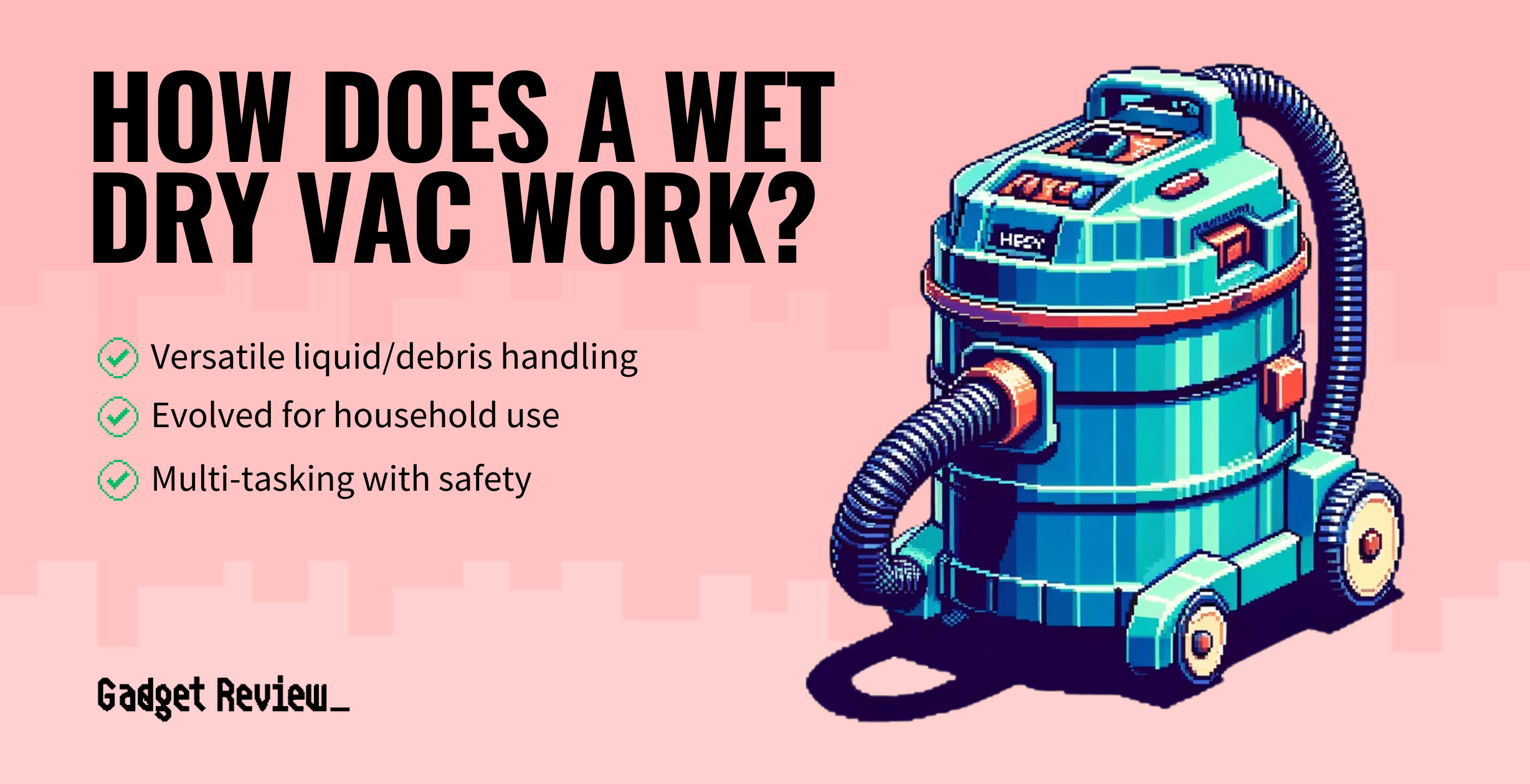
- ✦ Dust and dirt
Loose dry particles move through the hose and collect in the tank or filtration system.
- ✦ Wood chips
A suitable shop-style vacuum can collect many larger dry particles from approved work areas.
- ✦ Vehicle debris
A narrow nozzle can help reach dirt and crumbs in vehicle floors and tight spaces.
Why Dry Suction Can Drop
Weak suction often has a simple cause. A full tank, dirty filter, blocked hose, loose lid, or damaged seal can reduce airflow. Start with the basic checks before assuming the motor has failed.
The best troubleshooting step is to turn the machine off and unplug it before checking for a blockage. Never put your hand into a moving vacuum or reach into the hose while the motor is running.
- ✦ Check the hose
Look for crushed sections, clogs, or objects stuck inside the hose.
- ✦ Check the filter
Clean or replace the filter as the manufacturer directs.
- ✦ Check the tank
Empty the tank when it reaches the stated capacity or when the machine’s instructions call for it.
How Does a Wet and Dry Vacuum Cleaner Work for Liquid Spills?
For liquid pickup, how does a wet and dry vacuum cleaner work in a different way? The basic suction process stays the same, but the vacuum must manage the liquid before it can reach sensitive internal parts.
When you place a suitable wet nozzle over a spill, the vacuum draws liquid into the hose and tank. The liquid collects at the bottom of the tank. Many models use a float shutoff that rises with the liquid level and blocks or interrupts airflow before the tank can overfill into the motor area.
Wet pickup can be useful for water on hard floors, small floods, utility areas, and other approved spills. Always check the manual first because the machine may have limits on liquid type, depth, temperature, or use.

- ✦ Prepare the vacuum
Set up the machine for wet pickup exactly as the manufacturer describes.
- ✦ Use the right tool
A wet floor nozzle can spread the opening across the spill and help collect liquid efficiently.
- ✦ Watch the tank
Do not ignore a full-tank indicator, float action, change in sound, or other sign that liquid pickup should stop.
What Is the Float Shutoff?
A float shutoff is a safety feature found on many wet and dry vacuums. As liquid rises inside the tank, the float rises too. When it reaches its designed position, it helps close the airflow path and protects the motor from liquid.
If suction suddenly changes while collecting water, stop the machine and check the tank. Do not keep running the vacuum simply because the motor still sounds like it is operating.
- ✦ Liquid rises
Water or another approved liquid collects inside the tank.
- ✦ Float rises
The float moves upward as the liquid level increases.
- ✦ Airflow is restricted
The float helps stop further liquid movement toward the motor area.
Can You Use a Wet and Dry Vacuum for Any Liquid?
A wet and dry vacuum is not a universal liquid cleanup tool. Many models are intended for ordinary water and similar approved liquids, but they may not be designed for fuel, solvents, chemicals, hot liquids, or other hazardous materials.
The risk can involve more than damage to the vacuum. Some liquids can create toxic vapors, fire hazards, chemical reactions, or electrical danger. The safest rule is to check the manual and the liquid’s safety information before using a vacuum.
Never assume that a machine can safely collect a liquid just because it has a wet-pickup mode. The words wet and dry describe the machine’s general purpose, not permission to collect every substance.
- ✦ Check the manual
Use only liquids that the manufacturer specifically permits.
- ✦ Avoid unknown chemicals
Do not vacuum an unknown liquid when its properties are unclear.
- ✦ Consider fire risk
Do not use a standard wet and dry vacuum for flammable liquids unless the equipment is specifically rated and approved for that purpose.
- ✦ Stop when unsure
If you do not know whether a liquid is safe to vacuum, use a safer cleanup method or seek professional guidance.
Why Liquid Type Matters
Water is very different from gasoline, paint thinner, strong cleaning chemicals, or hot grease. A vacuum built for ordinary water may not have the materials, seals, motor design, or safety rating needed for other substances.
This is one of the most important points to remember when learning how does a wet and dry vacuum cleaner work. The vacuum’s wet capability has a defined operating range, and the product manual sets that range.
- ✦ Ordinary water
Often permitted for wet pickup when the model’s instructions allow it.
- ✦ Flammable liquids
These can create serious fire and explosion risks and require equipment specifically designed and rated for the hazard.
- ✦ Hot liquids
Heat can damage components or create a burn hazard, so follow the manufacturer’s temperature limits.
How Does a Wet and Dry Vacuum Cleaner Work Compared With a Regular Vacuum?
A regular household vacuum is mainly built for dry dirt. A wet and dry vacuum adds a tank and internal design that allow approved liquid pickup. This makes the wet and dry model useful for jobs that could damage a standard dry vacuum.
Wet and dry vacuums also tend to focus on utility work rather than quiet daily floor cleaning. Many have larger hoses, sturdy tanks, strong airflow, and accessories made for workshops, garages, vehicles, and renovation work.
That does not make one type right for every home. A regular vacuum may be easier to carry and better suited to carpets and routine indoor cleaning, while a wet and dry vacuum can handle messes that require more rugged equipment.
- ✦ Regular vacuum
Designed mainly for dry household dirt, dust, crumbs, and floor debris.
- ✦ Wet and dry vacuum
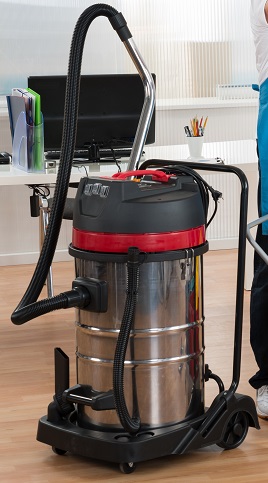
Designed for dry debris and approved liquid pickup, with a tank built for utility cleanup.
- ✦ Shop vacuum
Often refers to a rugged wet and dry vacuum used for workshops, garages, construction tasks, and larger cleanup jobs.
Why a Shop Vac Is Useful at Home
In a typical U.S. home, a wet and dry vacuum can be useful during repairs, garage cleaning, car care, basement work, and accidental spills. Its large tank can also reduce the need for frequent emptying during a messy project.
The tradeoff is size and convenience. A shop-style vacuum can be louder and less compact than a household vacuum, so it may not be the best choice for quick daily cleaning.
- ✦ Garage cleanup
Useful for dirt, leaves, sawdust, and other dry debris that collects around work areas.
- ✦ Home projects
Can collect many types of approved project debris when the vacuum and filter are suitable for the material.
- ✦ Spill cleanup
Can collect approved liquids without exposing a dry-only household vacuum to water.
How to Use a Wet and Dry Vacuum Safely
Learning how does a wet and dry vacuum cleaner work is only half the job. Correct setup matters just as much. Before every use, check the tank, hose, filter, power cord, seals, and accessories for damage.
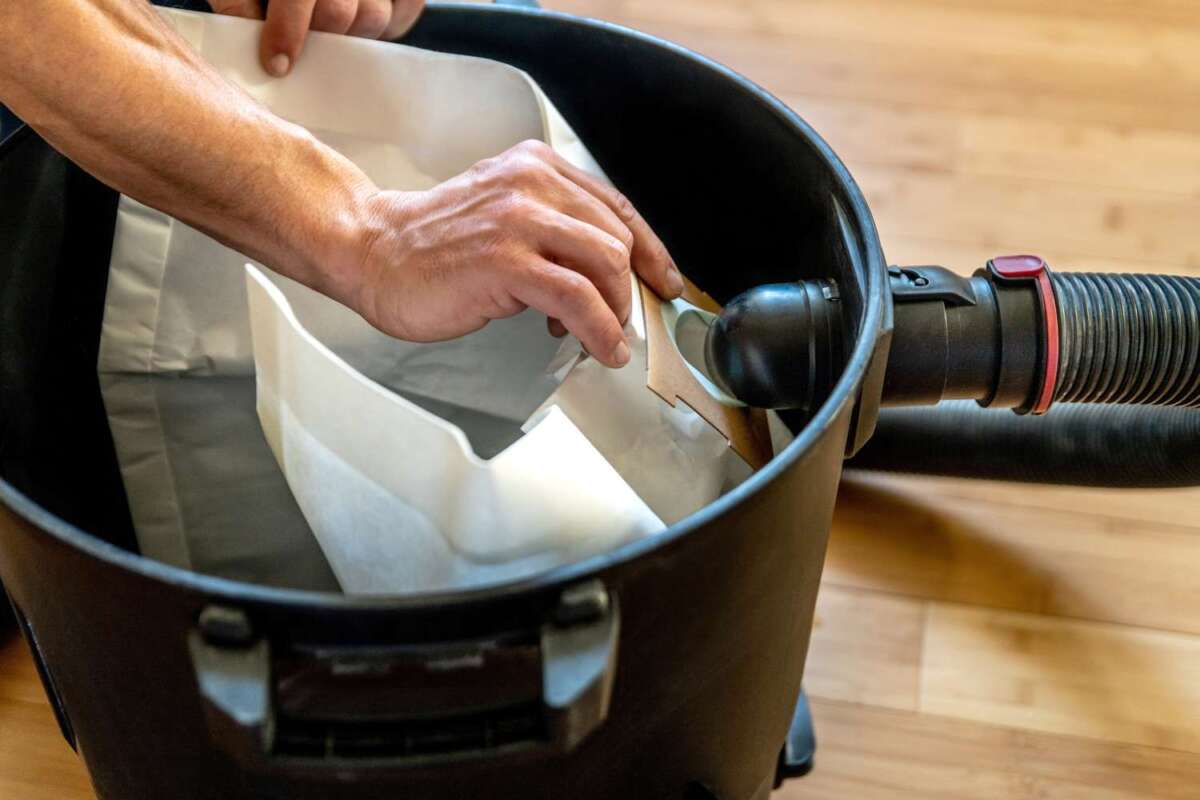
Use the correct filter and accessories for the material you plan to collect. For wet pickup, follow the model’s instructions for filter removal or wet-rated filtration. For dry pickup, make sure the correct dry filter is installed before collecting fine dust.
Electrical safety matters when water is present. Keep plugs, connections, and electrical components away from wet areas, and follow the safety instructions supplied with the vacuum.
- ✦ Read the manual
Check the exact wet and dry setup, liquid limits, filter rules, and safety warnings for your model.
- ✦ Inspect before use
Look for damaged cords, cracked tanks, loose seals, blocked hoses, or damaged attachments.
- ✦ Use the right filter
Install the filter type required for the material and cleaning mode.
- ✦ Unplug before service
Turn the vacuum off and disconnect power before clearing clogs, changing filters, or opening the machine.
Common Mistakes to Avoid
One common mistake is treating a wet and dry vacuum like a machine that can collect anything. It cannot. Another is leaving a filter installed or removed when the manufacturer requires the opposite setup for the selected cleaning mode.
A third mistake is ignoring the tank level. If a float shutoff activates, stop and check the machine. Continuing to run a vacuum after a safety feature engages can lead to poor performance or equipment problems.
- ✦ Do not guess about filters
Use the filter arrangement specified by the manufacturer.
- ✦ Do not vacuum unsafe liquids
Avoid liquids that the machine is not rated to collect.
- ✦ Do not ignore warning signs
Stop if you smell burning, see smoke, hear unusual sounds, lose suction suddenly, or notice other abnormal behavior.
How to Maintain a Wet and Dry Vacuum Cleaner
Good maintenance keeps airflow strong and helps the machine last longer. After wet pickup, empty the tank and follow the manufacturer’s cleaning and drying instructions. Leaving dirty water or damp debris inside for too long can cause odors and may affect components.
For dry use, clean or replace filters as directed. A clogged filter makes the motor work against restricted airflow and can reduce cleaning performance. Check the hose and attachments often, especially after collecting large debris.
Maintenance needs vary by model. The owner’s manual is the best source for filter care, tank cleaning, lubrication, storage, and replacement parts.

- ✦ Empty the tank
Remove collected material before it reaches the stated capacity.
- ✦ Clean the tank
Wash or wipe the tank as the manufacturer recommends, then allow required parts to dry before storage.
- ✦ Maintain filters
Clean, dry, or replace filters according to the model’s instructions.
- ✦ Inspect seals
Check lid seals and hose connections for damage or poor fit that could cause air leaks.
Signs Your Vacuum Needs Attention
A sudden loss of suction is one of the clearest signs that something needs checking. Start with the hose, nozzle, filter, tank, and seals. If those parts look fine and the problem remains, the motor or another internal part may need service.
Unusual smells, smoke, repeated overheating, strange noises, or electrical problems call for immediate shutdown. Do not keep testing a damaged machine while it is plugged in.
- ✦ Weak airflow
Check for clogs, a full tank, a dirty filter, or a poor seal.
- ✦ Bad odor
Check for damp debris, dirty tanks, or filters that need cleaning or replacement.
- ✦ Unusual noise
Stop the vacuum and inspect it rather than continuing to run a machine that sounds abnormal.