How Does a Steam Vacuum Cleaner Work? A Simple Guide
If you have ever wondered how does a steam vacuum cleaner work, the basic idea is quite simple. The machine combines the cleaning action of hot steam with the dirt-lifting power of a vacuum. Depending on the model, it may also scrub the surface with a brush or pad as it cleans.
In a typical U.S. home, this can make floor care faster because one machine may handle several steps at once. Still, steam and suction do different jobs. Knowing what each part does helps you use the machine well and avoid damage to floors, fabrics, or other surfaces.
How Does a Steam Vacuum Cleaner Work?
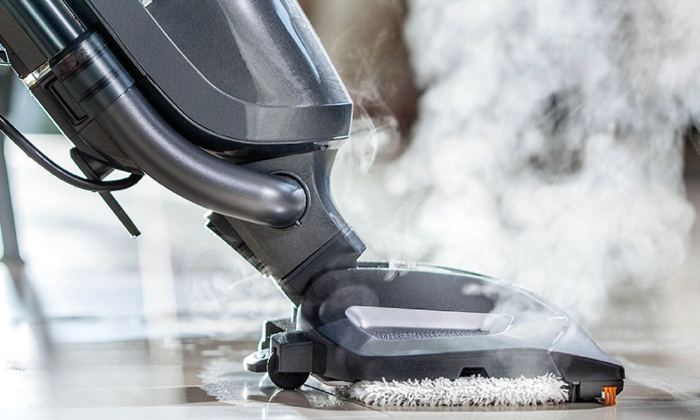
The answer to how does a steam vacuum cleaner work starts with water and heat. The machine stores clean water in a tank and heats it in a boiler or heating chamber. The heat turns the water into steam, which travels through a hose, nozzle, or cleaning head.
The hot steam reaches the surface and helps loosen soil, grease, and other stuck-on residue. At the same time, the vacuum motor creates airflow and suction. That suction pulls up loose dirt and, on machines designed for wet pickup, collects the moisture left after cleaning.
Some machines apply steam first and vacuum after it. Others release steam and suction at nearly the same time. The exact process depends on the design, so the owner’s manual is the best guide for a specific model.
- ✦ Water tank
The tank holds the water used to make steam. Some models use separate clean-water and recovery tanks.
- ✦ Heating system
A heating element or boiler raises the water temperature until steam forms.
- ✦ Steam path
The machine sends steam through internal channels to the hose, nozzle, or floor head.
- ✦ Vacuum motor
The motor creates airflow that moves dirt, debris, and collected moisture toward the recovery system.
- ✦ Recovery tank or filter system
Depending on the machine, collected dirt and moisture move into a recovery tank or another collection system.
What Happens During a Cleaning Pass?
As you move the cleaner across the floor, steam reaches the surface and softens grime. A brush or pad may add light mechanical action. The vacuum then helps lift the loosened material from the surface.
This is why understanding how does a steam vacuum cleaner work matters in daily use. Slow, even passes often give the machine more time to work than fast back-and-forth movements.
- ✦ Step 1
Fill the correct water tank and allow the machine to heat the water as directed.
- ✦ Step 2
Apply steam to the approved surface to loosen soil.
- ✦ Step 3
Agitate the surface with the machine’s brush or pad when the model provides one.
- ✦ Step 4
Use suction to collect loosened dirt and moisture when the machine supports recovery.
How Steam Helps Remove Dirt
Steam is useful because heat can soften some types of soil. Grease, dried spills, and other residues may become easier to lift after exposure to hot moisture. This can reduce the need for strong scrubbing on surfaces that are rated for steam cleaning.
Steam does not magically dissolve every type of dirt. Its effect depends on the soil, surface, steam temperature, contact time, and machine design. Some stains also need a suitable cleaning product or a different cleaning method.
A steam vacuum cleaner works best when the steam is matched to the surface. Too much heat or moisture can harm materials that are not designed to handle it.
- ✦ Heat
Heat can soften some grease and stuck-on soil, making it easier to remove.
- ✦ Moisture
Steam adds controlled moisture that can help loosen surface residue.
- ✦ Agitation
A brush or pad can help break up loosened dirt.
- ✦ Suction
Suction helps remove the loosened material and, on wet-capable models, collected moisture.
Steam Is Not the Same as a Chemical Cleaner
Steam cleaning mainly uses heat and water rather than relying on a detergent. That can be useful for people who want a low-residue cleaning method. However, a steam cleaner still needs correct care and does not make every surface safe to clean with steam.
How the Vacuum System Works
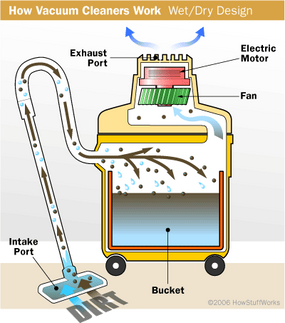
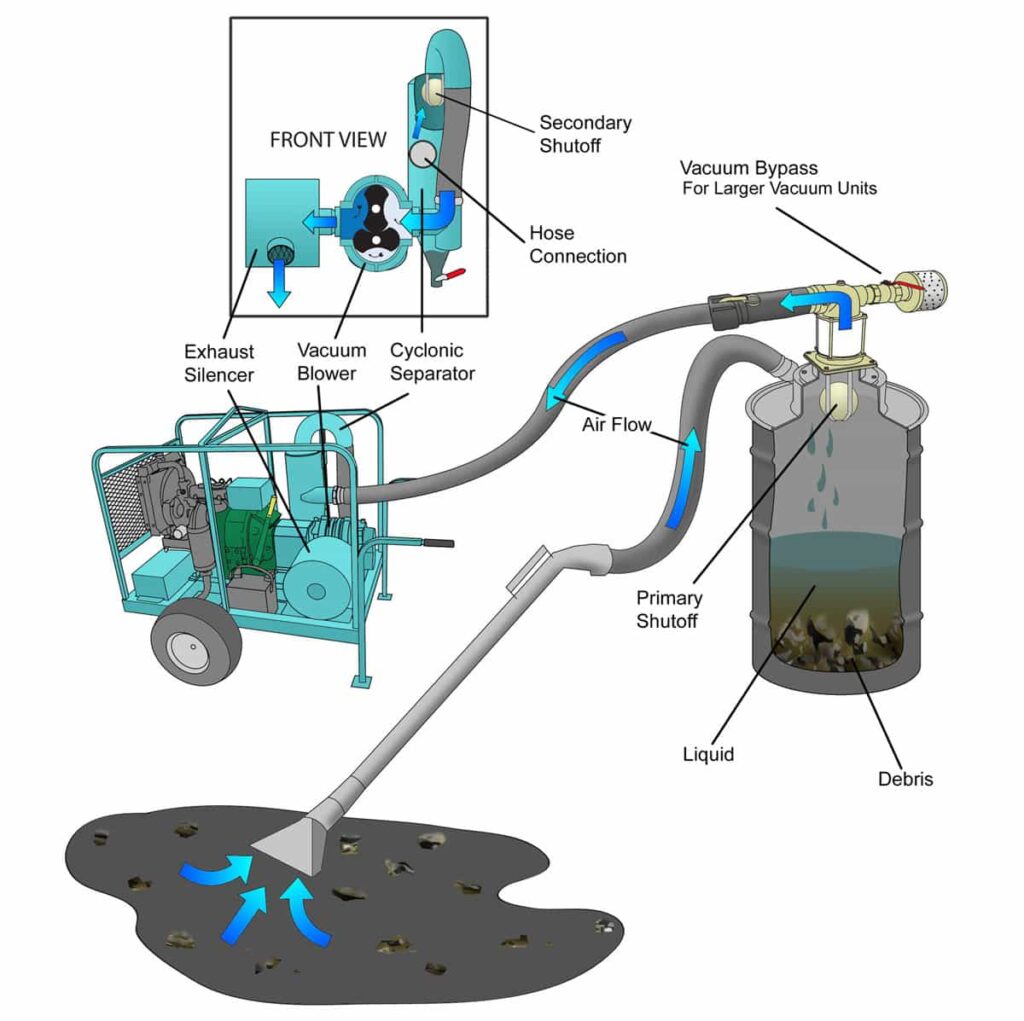
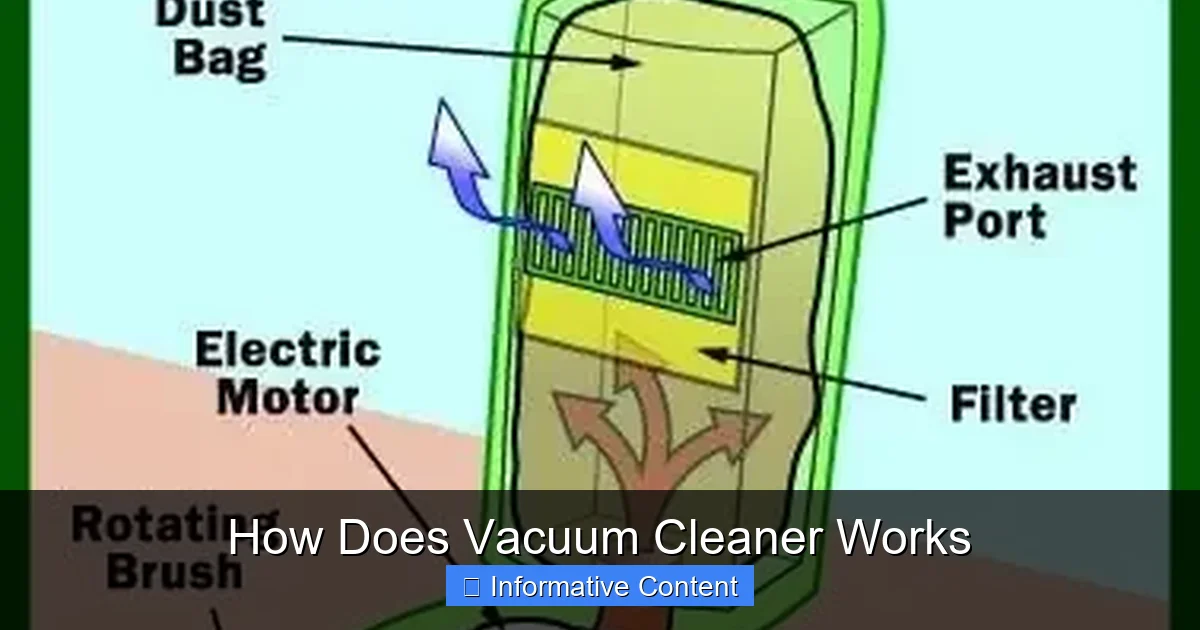
The vacuum side of the machine works much like other vacuum cleaners. An electric motor spins a fan or similar airflow system. This creates a pressure difference that moves air through the cleaning head and into the machine.
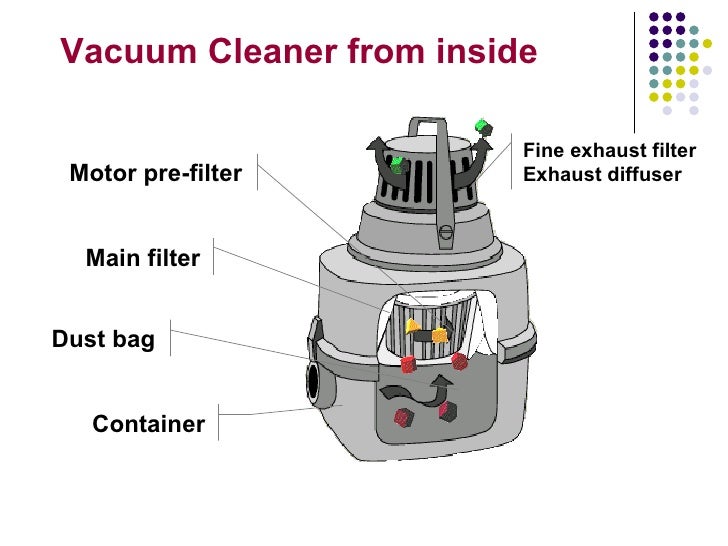
As air moves, it carries loose dust, debris, and other particles. Filters help trap particles before air leaves the machine. In wet-capable steam vacuum models, a recovery tank may also collect dirty water and liquid picked up from the surface.
This suction step is important because steam alone only loosens material. The vacuum system provides the collection part of the process. That is a key part of the answer to how does a steam vacuum cleaner work.

- ✦ Airflow
Moving air carries loose particles from the cleaning area into the machine.
- ✦ Suction
The pressure difference created by the motor helps pull material toward the collection system.
- ✦ Filtration
Filters help capture fine particles and keep them from simply passing back into the room.
- ✦ Collection
The machine stores collected debris or dirty water in the part designed for that purpose.
Why Suction Matters After Steam
After steam loosens dirt, leaving too much moisture behind can slow drying. Suction helps reduce this problem on machines designed to pick up moisture. For this reason, the vacuum function can be especially useful when cleaning areas where controlled moisture recovery matters.
What Is the Difference Between a Steam Cleaner and a Steam Vacuum Cleaner?
A steam cleaner uses heated water to produce steam and direct that steam at a surface. A basic steam cleaner may loosen dirt without having a vacuum motor that collects the loosened material. You may need to wipe the surface or use another tool after steaming.
A steam vacuum cleaner adds suction to the process. Depending on the model, it may loosen dirt with steam, scrub it, and then collect the dirt and moisture in one cleaning session.
The terms used by manufacturers can vary. Some products called steam vacuums are really wet-dry cleaners with a steam feature, while others focus more on steam and offer limited suction. Always check the machine’s specifications instead of relying on the product name alone.
- ✦ Steam cleaner
Uses heat and steam to loosen or clean suitable surfaces but may not collect debris with suction.
- ✦ Regular vacuum
Uses airflow and suction to collect dry dirt but does not normally generate cleaning steam.
- ✦ Steam vacuum
Combines steam cleaning with vacuum action in a single appliance, depending on the model.
- ✦ Wet-dry vacuum
Uses suction to collect dry debris and liquids but does not necessarily produce steam.
What Surfaces Can a Steam Vacuum Cleaner Clean?
The right surface depends on the machine and its approved uses. Many steam vacuum cleaners are made for sealed hard floors and other heat-resistant surfaces. Some models also support carpets, upholstery, tile, grout, or other materials with the correct attachment.
Hard floors need special care. Sealed tile and some sealed stone can often handle steam, while unsealed or porous materials may not. Wood and laminate floors can also vary widely, so the floor maker’s instructions should take priority over general advice.
Before using steam, test an inconspicuous area when the manufacturer allows it. Stop if you see swelling, discoloration, finish changes, or other signs of damage.
- ✦ Often suitable
Approved sealed hard floors, tile, and other heat-resistant surfaces may be suitable when the machine maker allows them.
- ✦ Use caution
Some wood, laminate, stone, and finished surfaces can react poorly to heat or moisture.
- ✦ Check first
Read both the appliance manual and the flooring manufacturer’s care instructions.
- ✦ Avoid guessing
A surface that looks strong may still have a finish, adhesive, or core that does not tolerate steam.
Can You Use a Steam Vacuum on Carpet?
Some machines are designed to steam and extract from carpets, but not all steam vacuum cleaners can do this safely. Carpet fibers, backing, adhesives, and dyes can react differently to heat and moisture. Use a carpet attachment only when the manufacturer specifically approves it.
Benefits and Limits of a Steam Vacuum Cleaner
The main appeal of a steam vacuum cleaner is that it combines more than one cleaning action. Instead of steaming and then using a separate vacuum or cloth, a suitable machine may let you loosen and collect soil in one workflow.
This can be helpful in busy U.S. homes where kitchens, entryways, and other high-use areas need regular cleaning. It may also reduce the number of separate tools you need to store. Still, convenience does not mean the machine is ideal for every job.
Understanding the limits is just as important as understanding how does a steam vacuum cleaner work. Heat, water, and suction can each cause problems when used on the wrong material or in the wrong way.
- ✦ Potential benefit: fewer steps
A combined machine may steam and collect dirt during the same cleaning routine.
- ✦ Potential benefit: less residue
Steam cleaning can rely mainly on water instead of leaving detergent residue, depending on the cleaning process.
- ✦ Potential limit: surface restrictions
Some floors and materials cannot safely handle steam or excess moisture.
- ✦ Potential limit: maintenance
Tanks, filters, brushes, hoses, and other parts still need regular cleaning and care.
When a Regular Vacuum Is Better
For dry crumbs, loose dust, pet hair, and everyday debris, a standard vacuum may be faster and simpler. Steam is not needed for every cleaning task. A good routine often uses the least complex tool that fits the job.
How to Use a Steam Vacuum Cleaner Safely
Safe use starts before the machine touches the floor. Remove loose debris when the machine instructions call for it, fill the correct tank, and select an attachment made for the surface. Never assume that a steam setting is safe simply because a regular vacuum can clean the same area.
Hot steam can burn skin, and hot surfaces can stay warm after use. Keep children and pets away while the machine operates and while hot parts cool. Never point steam at people, animals, electrical outlets, or delicate materials.
Good technique also protects the floor. Use the recommended amount of steam and avoid holding a hot nozzle in one spot unless the manufacturer says to do so. Follow the manual for water type, cleaning solutions, filter care, and descaling.
- ✦ Read the manual
Check approved surfaces, water requirements, attachments, heat settings, and maintenance steps before use.
- ✦ Protect yourself
Treat steam and hot machine parts as burn hazards and keep them away from skin.
- ✦ Protect the surface
Use the correct attachment and avoid excessive heat or moisture.
- ✦ Use the right water
Follow the manufacturer’s water instructions, especially if the manual addresses hard-water deposits.
- ✦ Empty and clean the machine
Clean recovery tanks, pads, brushes, and filters as directed to reduce odors and buildup.
Why Water and Steam Care Matters
Minerals in tap water can leave scale inside heating systems. The risk depends on the water and the appliance design. Use only the water and descaling method approved by the manufacturer.
How to Get Better Results From a Steam Vacuum Cleaner
Good results depend on more than machine power. Start with the correct surface and attachment, then give the steam enough time to loosen soil. Move at a steady pace instead of rushing over areas with stuck-on grime.
For a heavily soiled area, several light passes may work better than flooding the surface with steam. Use the vacuum function as directed so the machine can collect loosened dirt and moisture. Do not add extra water or cleaning chemicals unless the manufacturer permits them.
If you are learning how does a steam vacuum cleaner work for the first time, practice on a small approved area. This lets you learn the machine’s steam rate, suction strength, and handling before cleaning a large room.
- ✦ Vacuum loose debris first when required
Removing loose crumbs and dry debris can make the steam-cleaning step more focused.
- ✦ Use slow, even passes
A steady motion gives steam and suction time to work without soaking one area.
- ✦ Do not over-wet
More water does not always mean better cleaning and may increase drying time or surface risk.
- ✦ Clean the machine after use
Follow the care routine to keep tanks, filters, brushes, and other parts ready for the next job.