How Does a Car Vacuum Cleaner Work? A Simple Guide to Suction, Filters, and Parts
If you have ever cleaned crumbs from a car seat, you have seen a car vacuum cleaner do a simple but useful job. It pulls air through a nozzle at high speed. Dirt, dust, hair, and small debris travel with that moving air into the collection area.
To understand how does a car vacuum cleaner work, think of it as a small air-moving machine. Its motor turns a fan or impeller. The fan lowers air pressure inside the vacuum, so air from outside rushes through the hose or nozzle. The moving air carries loose dirt with it.
The basic idea stays the same across many models sold in the United States. The power source may change, and the shape may change, but the main process is still air movement, debris collection, filtration, and exhaust.
How Does a Car Vacuum Cleaner Work?
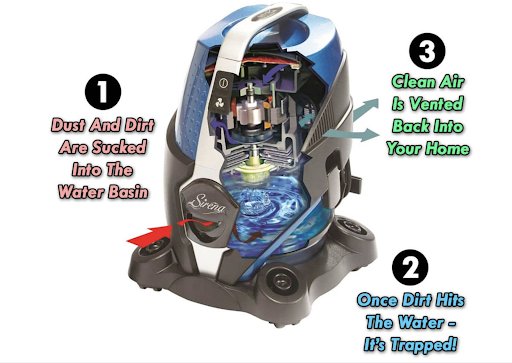
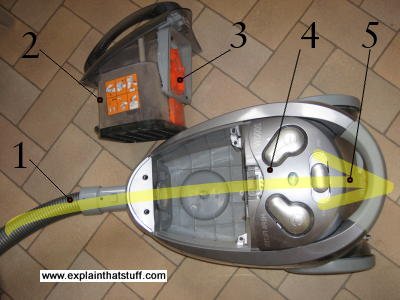
The easiest way to explain how does a car vacuum cleaner work is to follow the air path. When you switch the vacuum on, its motor starts turning a fan. The fan moves air from the intake side toward the exhaust side.
This fast air movement creates a pressure difference inside the vacuum. Air outside the machine then moves toward the lower-pressure area through the nozzle. Dirt near the nozzle gets carried along with that air stream.
The debris does not simply pass through the motor. Most of it enters a dust bin or bag, while a filter catches fine particles. Cleaned air then leaves through the exhaust vents.

- ✦ 1. Power starts the motor
Electric power makes the motor spin. The power may come from a wall outlet, car outlet, battery, or another approved source.
- ✦ 2. The motor spins the fan
The motor drives a fan or impeller that moves air through the vacuum.
- ✦ 3. Air enters through the nozzle
Air moves from the car interior toward the vacuum because of the pressure difference created by the fan.
- ✦ 4. Dirt travels with the air
Loose dirt, crumbs, hair, and dust move through the nozzle and into the collection system.
- ✦ 5. The filter traps fine dust
A filter stops much of the fine material from reaching the motor and helps keep exhaust air cleaner.
- ✦ 6. Filtered air leaves
After passing through the collection and filter system, air exits through the vacuum exhaust.
Why Does Suction Pull Dirt Into the Vacuum?
A vacuum does not pull dirt with a physical hand-like force. Instead, it moves air. The fan creates a pressure difference, and the surrounding air flows toward the intake. That moving air can carry loose debris with it.
This is why a blocked nozzle can reduce cleaning power. If air cannot move freely, the vacuum cannot maintain the same useful airflow through the cleaning head.
- ✦ Airflow
Airflow is the movement of air through the nozzle, hose, dust bin, filter, and exhaust.
- ✦ Pressure difference
The fan creates a lower-pressure area inside the vacuum, which helps draw surrounding air into the intake.
What Are the Main Parts of a Car Vacuum Cleaner?
Knowing the main parts makes it much easier to understand how does a car vacuum cleaner work. Each part has a clear job. Together, these parts create the airflow needed to remove dirt from the vehicle.
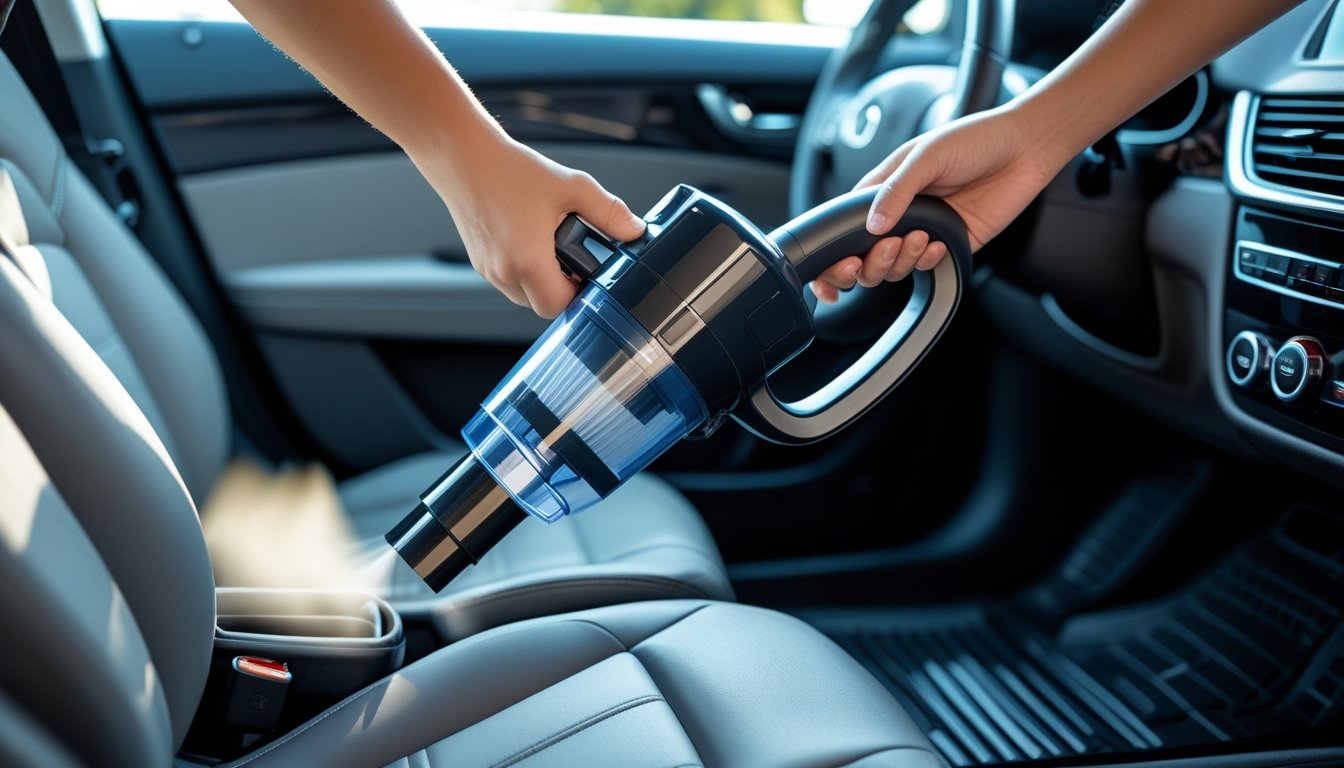
A small handheld model may combine several parts into one compact body. A larger wet-dry vacuum may use a longer hose, larger tank, and more complex filter system.
- ✦ Motor
The motor provides the mechanical power needed to turn the fan.
- ✦ Fan or impeller
The fan moves air through the vacuum and creates the pressure difference that produces useful suction.
- ✦ Intake nozzle
The nozzle is the opening placed near the dirt. Its shape affects how air and debris enter the machine.
- ✦ Dust bin or bag
This area stores the dirt and debris collected during cleaning.
- ✦ Filter
The filter catches fine particles and helps protect the motor from dust.
- ✦ Exhaust
The exhaust lets filtered air leave the vacuum after it passes through the internal system.
- ✦ Power system
The power system may include a battery, charging circuit, cord, plug, or car power connector.
How the Motor and Fan Work Together
The motor is the part that supplies motion. When electricity reaches the motor, it rotates a shaft. That shaft turns the fan or impeller at high speed.
The spinning fan moves air through the vacuum. This steady flow is the key reason a car vacuum can collect dirt from carpets, seats, and other surfaces.
- ✦ Motor speed
Motor speed affects how much air the fan can move, although real cleaning performance also depends on the whole airflow path.
- ✦ Fan design
The shape and design of the fan influence airflow, pressure, noise, and power use.
How Does a Car Vacuum Cleaner Collect and Filter Dirt?
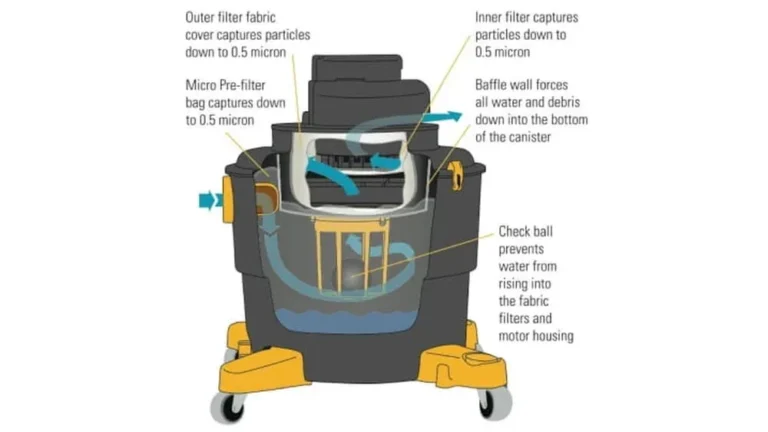
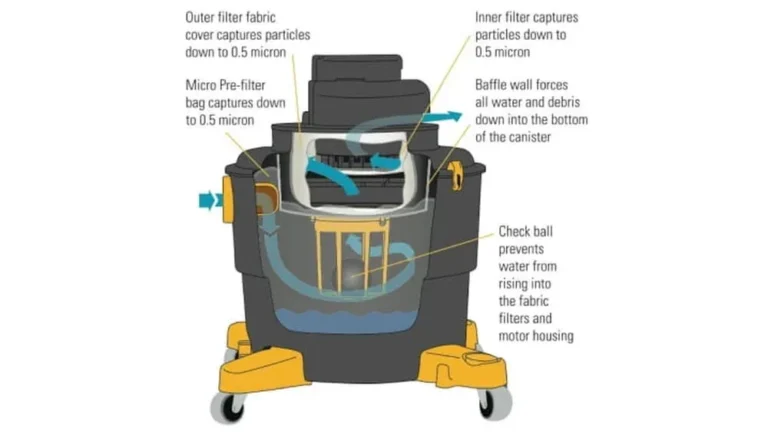
The collection system is another important part of how does a car vacuum cleaner work. As dirty air enters the machine, larger debris usually falls or remains in the dust bin. Smaller particles continue toward the filter.
The filter acts as a barrier. It allows air to pass while holding back much of the dust and other fine material. This protects the motor and helps reduce the amount of fine dust released from the exhaust.
A dirty filter can restrict airflow. That can make the vacuum feel weaker even when the motor still runs normally. Regular filter care is therefore a basic part of keeping a car vacuum useful.

- ✦ Dust bin
The dust bin stores collected debris and should be emptied before it becomes too full.
- ✦ Primary filter
The main filter catches fine particles before air reaches the motor or exhaust path.
- ✦ Motor protection filter
Some models use an additional filter to help protect the motor from dust.
- ✦ Exhaust filter
Some vacuums include a final filter that helps clean the air before it leaves the machine.
Why Filters Matter for Suction
A filter needs to trap particles without blocking too much air. As dust builds on the filter surface, less air can pass through it. The result can be weaker airflow and slower cleaning.
The correct cleaning method depends on the filter. Some filters can be washed, while others must stay dry or need replacement. Always follow the instructions for the specific vacuum.
- ✦ Clean the correct way
Use the care method listed by the manufacturer. Do not wash a filter unless the design allows it.
- ✦ Replace worn filters
A damaged or worn filter may not protect the vacuum or control fine dust as intended.
How Do Car Vacuum Attachments Improve Cleaning?
The nozzle is more than a simple opening. Its shape changes how air enters the vacuum and helps match the machine to different parts of a car. This is why many car vacuums come with several tools.
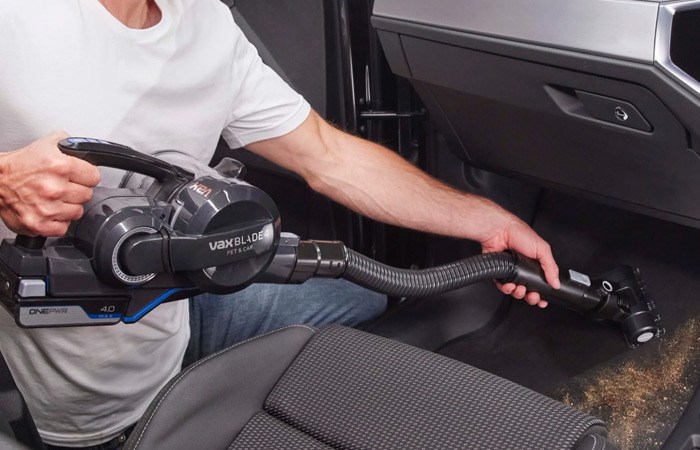
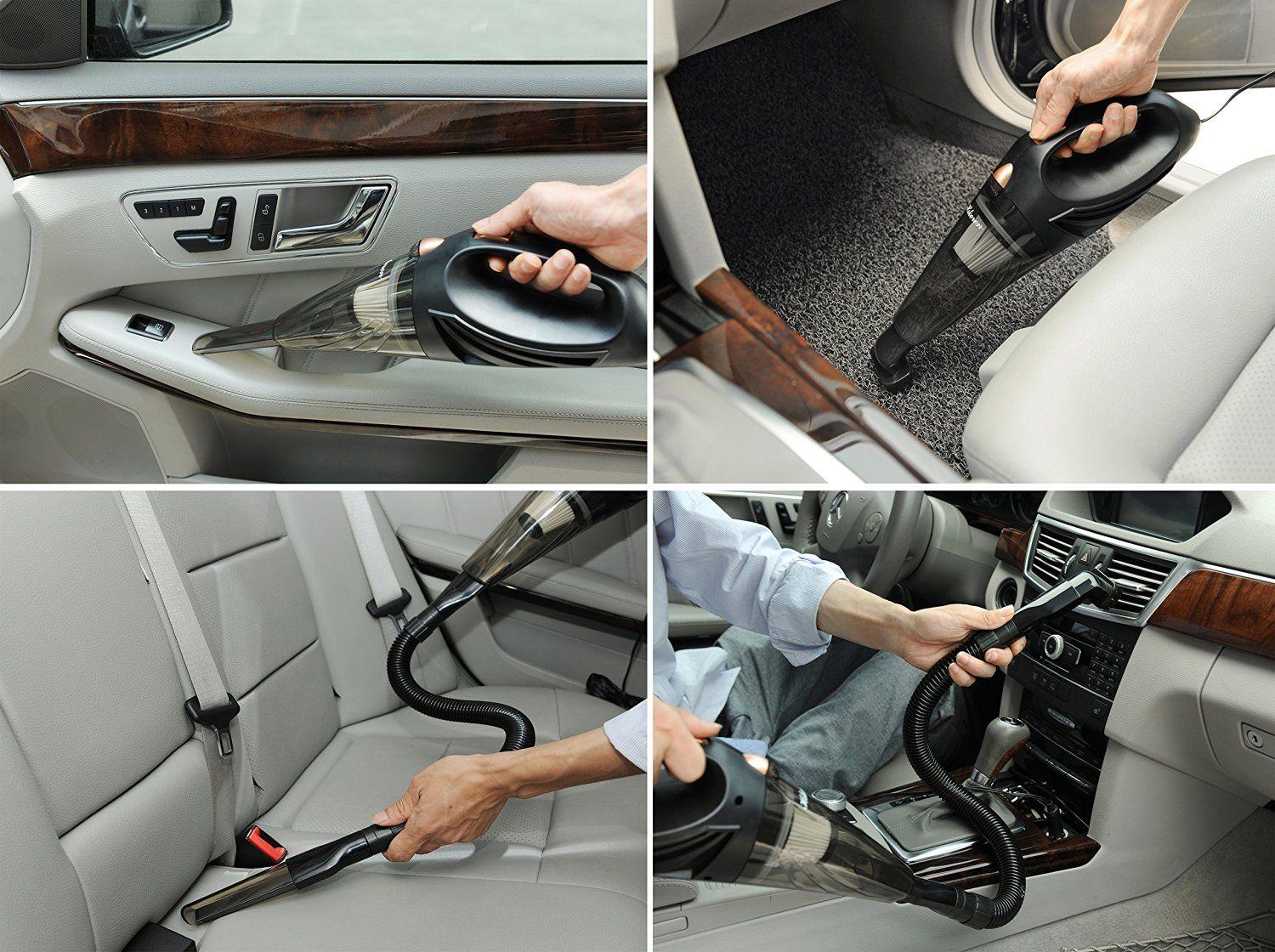
A wide head can cover more surface area on seats and carpets. A narrow crevice tool can reach the tight space beside a seat rail or along the edge of a center console.

- ✦ Crevice tool
A narrow nozzle helps reach gaps between seats, along trim, and around tight floor areas.
- ✦ Brush attachment
Soft bristles help loosen dust from textured surfaces while the vacuum removes the loosened material.
- ✦ Wide nozzle
A wider opening can cover larger areas such as floor mats and seats.
- ✦ Extension tube
An extension can increase reach and make it easier to clean deep or awkward areas.
- ✦ Flexible hose
A hose can make it easier to move around the cabin while keeping the main vacuum body in one place.
Why a Narrow Nozzle Can Feel Stronger
A narrow nozzle can produce a more focused stream of air at the opening. This can help lift dirt from narrow spaces and seams. It does not mean the vacuum motor suddenly becomes more powerful.
For car cleaning, the best attachment depends on the surface. A crevice tool works well in gaps, while a brush can be more useful on vents and textured trim.
- ✦ Use the right tool
Choose a nozzle that fits the space and surface instead of using one attachment for every task.
How Do Corded and Cordless Car Vacuums Work?
The basic answer to how does a car vacuum cleaner work stays the same for corded and cordless models. Both use an electric motor to drive a fan and move air. The main difference is where the electrical energy comes from.
Corded car vacuums draw power from an outlet or compatible vehicle power connection. Cordless models use a rechargeable battery. This makes cordless units easy to move, but cleaning time depends on battery charge and the design of the vacuum.
- ✦ Corded models
These models can provide steady power while connected to a suitable power source. They do not depend on battery runtime during use.
- ✦ Cordless models
These use a rechargeable battery and offer freedom from a power cord during cleaning.
- ✦ Car-powered models
Some compact vacuums are designed to use a vehicle power connection. The vehicle and vacuum must support the same connection and electrical requirements.
Does a Cordless Vacuum Lose Suction as the Battery Gets Low?
It can. Some cordless vacuums reduce motor output as battery voltage or available charge falls. The exact behavior depends on the battery, motor controls, and vacuum design.
A full battery also does not guarantee strong cleaning. A blocked filter, full dust bin, clogged nozzle, or damaged seal can reduce airflow.
- ✦ Check the battery
Charge the battery as directed when the vacuum shows reduced power or reaches its normal charging point.
- ✦ Check the airflow path
Inspect the nozzle, dust bin, filter, and hose before assuming the battery is the only cause of weak suction.
What Affects Car Vacuum Suction Power?
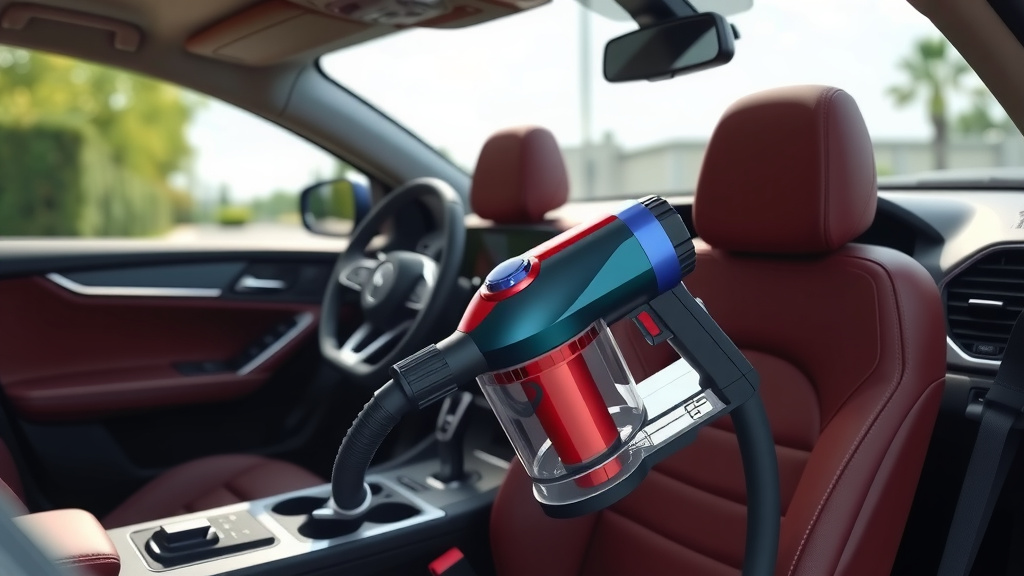
Understanding how does a car vacuum cleaner work also means understanding why two vacuums can feel different. Suction depends on more than motor speed. The design of the nozzle, airflow path, filter, seals, battery, and dust container all matter.
A vacuum can have a strong motor but still clean poorly if air leaks from a loose connection. A clogged filter or packed dust bin can also limit airflow. Good cleaning comes from a balanced system.
- ✦ Motor and fan design
The motor and fan provide the main force that moves air through the machine.
- ✦ Airflow path
A clear, well-designed path lets air move with fewer restrictions.
- ✦ Filter condition
A clogged filter can restrict airflow and reduce practical cleaning performance.
- ✦ Dust bin condition
A full or poorly fitted collection container can interfere with normal airflow.
- ✦ Nozzle design
The opening controls how air reaches the surface and can affect how well debris is lifted.
- ✦ Air leaks
Loose seals or damaged hoses can allow air to enter the wrong place and reduce useful suction at the nozzle.
- ✦ Battery charge
On cordless models, available battery power can affect motor performance.
Suction Versus Airflow
Suction and airflow are related, but they are not the same thing. Suction describes the pressure difference that helps draw air in. Airflow describes how much air moves through the system.
For car cleaning, both matter. A vacuum needs enough pressure to loosen dirt and enough airflow to carry that dirt into the collection system.
- ✦ Useful suction
Helps lift dirt from the surface, especially from seams and carpet fibers.
- ✦ Useful airflow
Helps move the loosened dirt through the nozzle and into the dust bin.
How Does a Car Vacuum Cleaner Work on Different Car Surfaces?
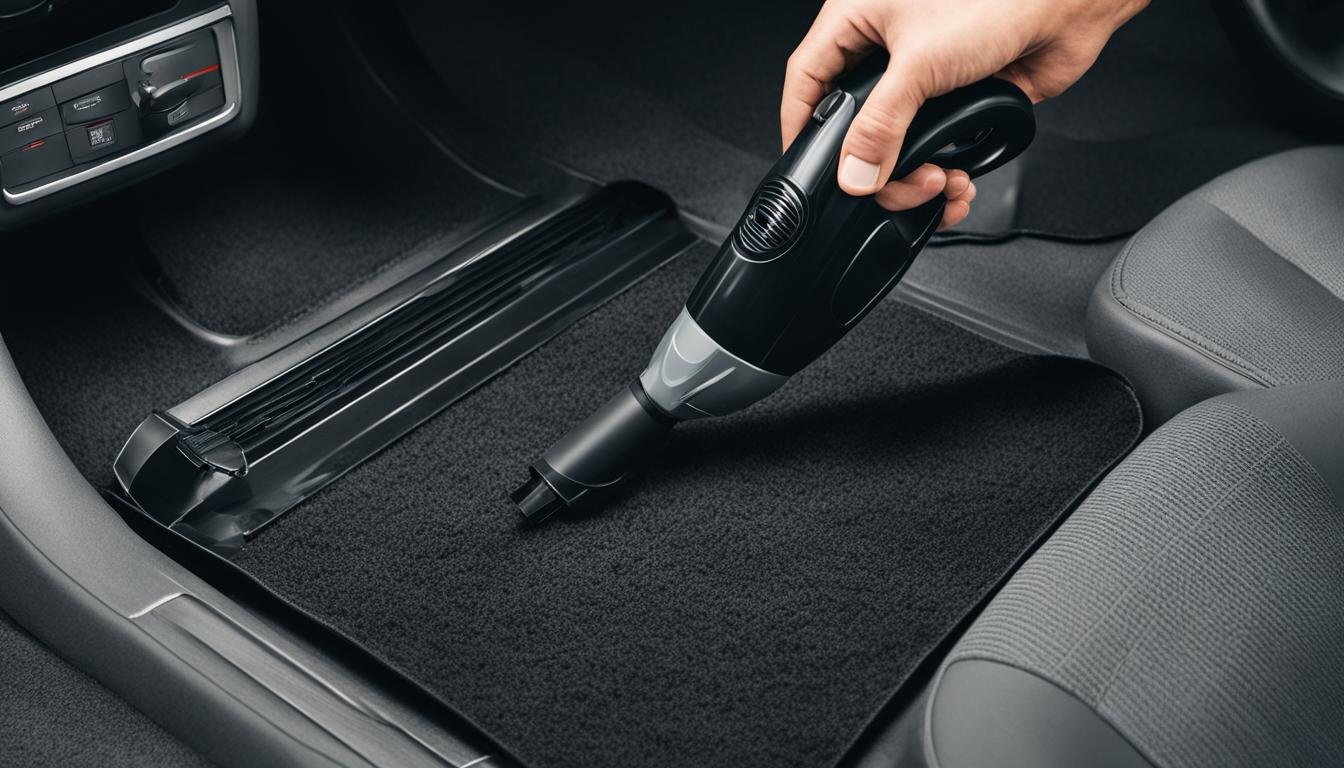
A car has many surfaces, so cleaning technique matters. Carpet can hold dirt deep in its fibers, while hard plastic trim often needs only light surface cleaning. Seats can also collect crumbs, hair, and dust in seams.
To get better results, move the nozzle slowly over dirty areas. For embedded debris, use a suitable brush first to loosen the material. Then let the vacuum carry the loosened dirt away.
- ✦ Carpet
Move the vacuum slowly across carpeted areas. Use a brush or suitable floor tool when dirt is trapped in the fibers.
- ✦ Floor mats
Remove loose debris first when practical, then vacuum both the surface and edges.
- ✦ Fabric seats
Use a suitable upholstery or brush attachment and pay close attention to seams.
- ✦ Leather or synthetic seats
Use a soft attachment and avoid scratching the surface with hard nozzle edges.
- ✦ Dashboard and trim
Use a soft brush to remove dust from vents and textured areas without damaging delicate surfaces.
- ✦ Seat gaps
A crevice tool can help collect crumbs and dust from narrow spaces.
Can a Car Vacuum Remove Pet Hair?
A car vacuum can remove loose pet hair, but hair can be harder to collect than ordinary dust. Hair may cling to fabric and become tangled in carpet fibers. A brush or rubber cleaning tool can help loosen it before vacuuming.
For heavy pet hair, work in small areas. Loosen the hair first, then vacuum it up. Check the brush and filter during cleaning because collected hair can reduce airflow if it builds up.
- ✦ Loosen first
Use a suitable brush or pet-hair tool to free hair from fabric and carpet.
- ✦ Vacuum in passes
Make slow passes over the same area rather than moving the nozzle too quickly.
How to Use a Car Vacuum Cleaner Correctly
Knowing how does a car vacuum cleaner work helps you use it more effectively. Start by removing large objects and loose trash from the cabin. This keeps the nozzle clear and lets you focus on smaller debris.
Work from the top of the interior toward the floor when practical. This can help keep falling dust from landing on areas you already cleaned. Move slowly and use the attachment that matches each surface.
- ✦ 1. Remove large trash
Take out bottles, wrappers, toys, and other objects before vacuuming.
- ✦ 2. Check the vacuum
Make sure the dust bin is ready, the filter is correctly installed, and the nozzle is clear.
- ✦ 3. Clean upper surfaces
Vacuum suitable dashboard, console, and seat areas before moving to the floor.
- ✦ 4. Clean seats
Use a soft attachment and pay attention to seams and edges.
- ✦ 5. Clean floor areas
Vacuum mats, carpets, and the space under the seats.
- ✦ 6. Reach tight gaps
Use a crevice tool around seat rails, console edges, and other narrow spaces.
- ✦ 7. Empty and maintain the vacuum
Empty the collection bin and care for the filter according to the manufacturer’s instructions.
How to Get Better Results From a Car Vacuum
Do not rush the nozzle across the surface. Slow passes give the airflow more time to pick up loose debris. For stuck dirt, loosen it with the correct tool before vacuuming.
It also helps to keep the vacuum maintained. Empty the dust bin before it becomes packed, and inspect the filter when suction drops. A clean airflow path often matters more than simply running the motor longer.
- ✦ Use slow passes
Move the nozzle at a controlled pace so the airflow can collect more loose debris.
- ✦ Clean hard-to-reach areas
Use narrow tools around seat rails, console edges, and other small gaps.
- ✦ Maintain the filter
Follow the manufacturer’s filter cleaning or replacement instructions to preserve airflow.
Common Reasons a Car Vacuum Loses Suction
A loss of suction does not always mean the motor has failed. Small problems in the airflow path can make a large difference. The filter, dust bin, hose, nozzle, and seals are good places to check first.
If the vacuum becomes unusually hot, makes a new grinding sound, smells like burning, or shows other signs of damage, stop using it. Follow the manufacturer’s safety and service instructions instead of continuing to run the machine.
- ✦ Full dust bin
A packed collection container can restrict the airflow path and reduce cleaning performance.
- ✦ Clogged filter
Dust buildup on a filter can make it harder for air to pass through.
- ✦ Blocked nozzle
Hair, paper, or large debris can block the intake opening.
- ✦ Blocked hose
A hose can collect debris that reduces the amount of air reaching the motor.
- ✦ Loose connection
A poor connection between parts can let air leak and reduce useful airflow.
- ✦ Low battery
A cordless vacuum may deliver less motor power when its battery charge becomes low.
- ✦ Damaged filter or seal
A damaged component can affect airflow and may allow dust to move where it should not.
A Simple Suction Check
Turn the vacuum off before checking for blockages. Empty the dust bin, inspect the nozzle, and check the filter. If the model uses a hose, inspect the hose for visible blockage.
Reassemble every part firmly before testing the vacuum again. If the problem remains, consult the owner’s manual or an authorized service source.
- ✦ Safety first
Disconnect or switch off the vacuum before removing blockages or handling internal parts.
- ✦ Do not bypass filters
Run the vacuum only with the filters and collection parts installed as required by the manufacturer.