How to Use a Hand Drill Safely: Complete Beginner and DIY Safety Guide
Knowing how to use a hand drill safely is one of the most important skills for any DIY enthusiast, homeowner, or professional. A drill can make projects faster and easier, but careless use can lead to damaged materials or injuries.
Over the years, I have used drills for everything from hanging shelves to building furniture and outdoor projects. The safest jobs always start with preparation. When you understand how to use a hand drill safely, you gain confidence, improve accuracy, and reduce risks.

Why Hand Drill Safety Matters
Many people underestimate the power of a drill. Even compact models can generate enough force to twist a wrist, crack materials, or send debris flying. Learning how to use a hand drill safely helps prevent these common hazards.
Safe drilling practices also improve project quality. When you stay in control of the tool, holes are cleaner, screws drive straighter, and materials are less likely to split or crack.
- ✦ Protects You
Reduces the risk of eye injuries, cuts, and hand strain.
- ✦ Improves Accuracy
Helps create precise holes and clean finishes.
- ✦ Prevents Damage
Reduces mistakes that can ruin materials and projects.
Common Drill-Related Risks
Flying wood chips, slipping bits, loose clothing, and unstable workpieces are among the most common drilling hazards. Understanding these risks is a key part of learning how to use a hand drill safely.
- ✦ Flying Debris
Small particles can injure eyes and skin.
- ✦ Bit Slippage
The drill bit may jump from the intended spot.
Essential Safety Gear Before Using a Drill
Personal protective equipment is the first line of defense. Before learning how to use a hand drill safely on any project, gather the right safety gear.
Safety glasses are the most important item. Dust, metal fragments, and wood chips can travel quickly during drilling operations.

- ✦ Safety Glasses
Protect eyes from flying debris.
- ✦ Hearing Protection
Useful during long drilling sessions or when working with hard materials.
- ✦ Closed-Toe Shoes
Help protect feet from dropped tools and materials.
What to Avoid Wearing
Loose sleeves, dangling jewelry, neckties, and long untied hair can become caught in moving parts. Remove or secure anything that could create a hazard.
- ✦ Loose Clothing
Can get caught in the rotating drill.
Inspect the Drill Before Every Use
A quick inspection can prevent many accidents. One of the best habits for how to use a hand drill safely is checking the tool before every project.
Look for cracks, damaged cords, loose batteries, worn bits, or a chuck that does not tighten properly. If something seems wrong, repair or replace the tool before use.

- ✦ Check the Power Source
Inspect batteries or cords for damage.
- ✦ Inspect the Chuck
Make sure the bit locks securely in place.
- ✦ Verify Bit Condition
Replace bent or dull drill bits.
Why Sharp Bits Matter
Sharp bits cut more efficiently and require less pressure. This improves control and makes it easier to understand how to use a hand drill safely.
- ✦ Less Force Needed
Sharp bits reduce strain on the user and the tool.
Step-by-Step Guide on How to Use a Hand Drill Safely
Start by selecting the correct drill bit for the material. Wood, metal, masonry, and plastic often require different bit designs.
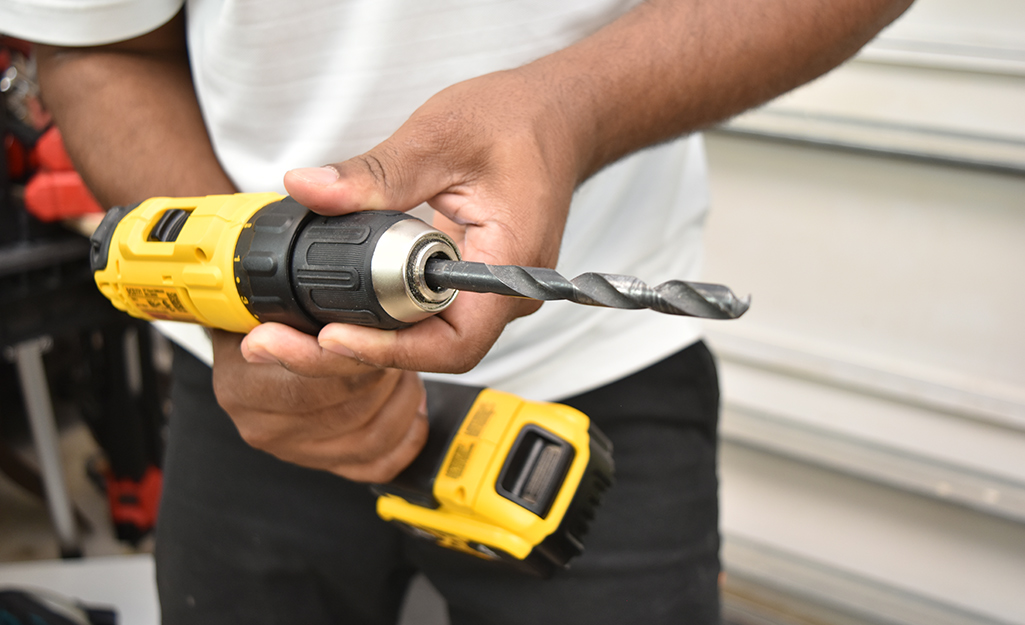
Insert the bit fully into the chuck and tighten it securely. Mark the drilling location and hold the drill perpendicular to the surface whenever possible.
Apply steady pressure and let the bit do the work. If you force the drill, the bit may bind or break. This simple technique is central to how to use a hand drill safely.

- ✦ Choose the Right Bit
Match the bit to the material being drilled.
- ✦ Secure the Material
Use clamps whenever possible.
- ✦ Start Slowly
Begin at low speed for better control.
- ✦ Maintain Balance
Stand firmly and keep both hands on the drill when needed.
Using the Correct Speed
Lower speeds work well for large bits and harder materials. Higher speeds are often suitable for smaller bits and softer materials. Proper speed selection is another important part of how to use a hand drill safely.
- ✦ Low Speed
Better for control and tough materials.
- ✦ High Speed
Useful for small bits and lighter work.
How to Secure Your Workpiece Properly
A moving workpiece is one of the biggest safety risks during drilling. Secure materials before starting to prevent slipping and spinning.
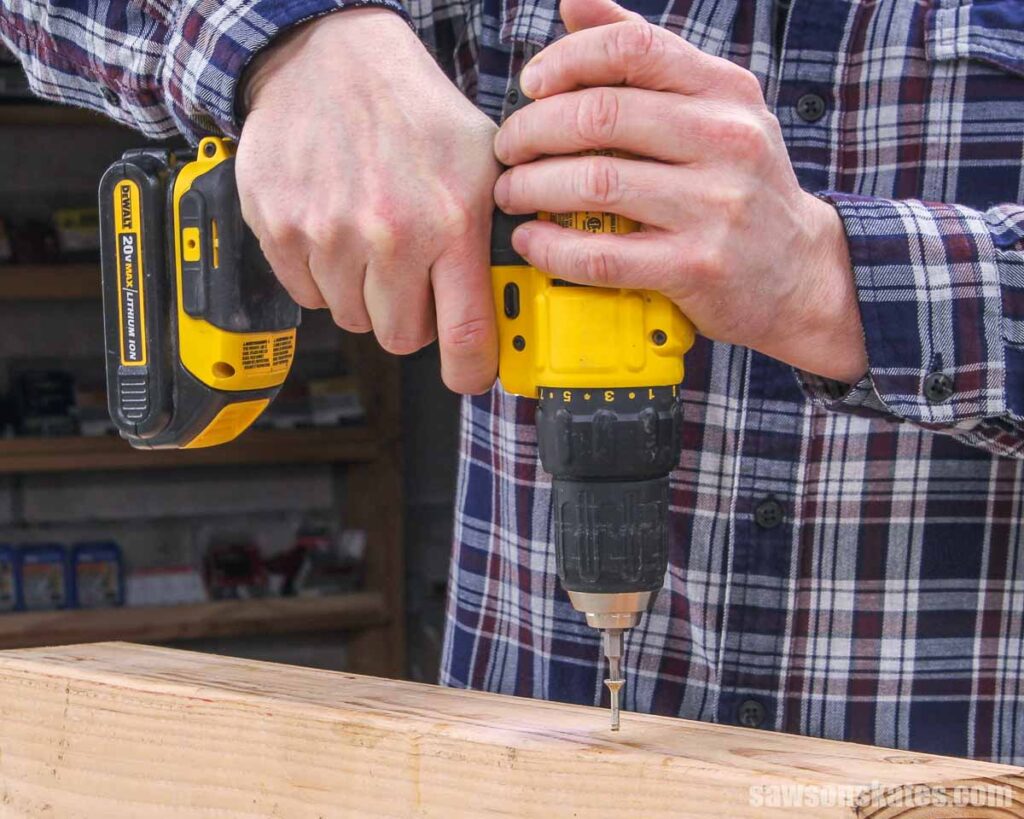
Clamps are often the safest option. When learning how to use a hand drill safely, never hold a small workpiece in one hand while drilling with the other.
- ✦ Use Clamps
Keeps the material stable during drilling.
- ✦ Use a Workbench
Provides a solid and reliable surface.
Supporting Thin Materials
Place scrap wood behind thin materials. This reduces tear-out and helps create cleaner holes.
- ✦ Backing Board
Improves safety and hole quality.
Common Mistakes to Avoid
Many drill accidents happen because users rush. Taking a few extra seconds to prepare often prevents problems.
Another mistake is using the wrong drill bit. This can damage both the material and the tool. Understanding how to use a hand drill safely means matching equipment to the job.

- ✦ Forcing the Drill
Can break bits and reduce control.
- ✦ Ignoring Safety Glasses
Leaves eyes exposed to debris.
- ✦ Using Damaged Bits
Increases the chance of slipping and breakage.
- ✦ Drilling Blindly
May hit wiring, pipes, or hidden obstacles.
Check Behind Walls
Before drilling into walls, locate electrical wiring, plumbing, and studs. This step is especially important in American homes where utilities are often hidden behind drywall.
- ✦ Use a Stud Finder
Helps identify safe drilling locations.
Maintenance Tips for Safe Drill Operation
Proper maintenance extends tool life and supports safe operation. Clean dust and debris from the drill after every use.
Store the drill in a dry place and keep bits organized. Consistent maintenance makes it easier to practice how to use a hand drill safely on every project.
- ✦ Clean After Use
Removes dust that can affect performance.
- ✦ Inspect Regularly
Catch wear before it becomes a safety issue.
- ✦ Store Properly
Protect the drill from moisture and impact.
Battery Care for Cordless Drills
Follow manufacturer charging recommendations. Damaged or overheated batteries should be replaced immediately.
- ✦ Avoid Extreme Temperatures
Helps maintain battery health and safety.