How to Choose the Right Air Compressor: Complete Buyer’s Guide
If you want to know how to choose the right air compressor, start with the tools you plan to use. Many buyers focus on horsepower or tank size first, but airflow and pressure matter much more. The right choice saves money and prevents frustration later.
Over the years, I have seen homeowners buy compressors that were too small for paint sprayers or impact wrenches. I have also seen people overspend on large shop units they rarely used. Learning how to choose the right air compressor helps you buy equipment that fits your work and budget.
Why Choosing the Right Air Compressor Matters
An air compressor powers many tools, from nail guns and tire inflators to sanders and paint sprayers. Choosing the wrong model can lead to poor performance, long wait times, and unnecessary wear.
Understanding how to choose the right air compressor helps you avoid buying equipment that is either too weak or much larger than you need. A properly sized compressor works efficiently and lasts longer.
- ✦ Better Performance
Tools receive consistent airflow and pressure.
- ✦ Lower Costs
You avoid overspending on unnecessary capacity.
- ✦ Longer Equipment Life
The compressor does not have to run constantly.
Understand CFM Before Anything Else
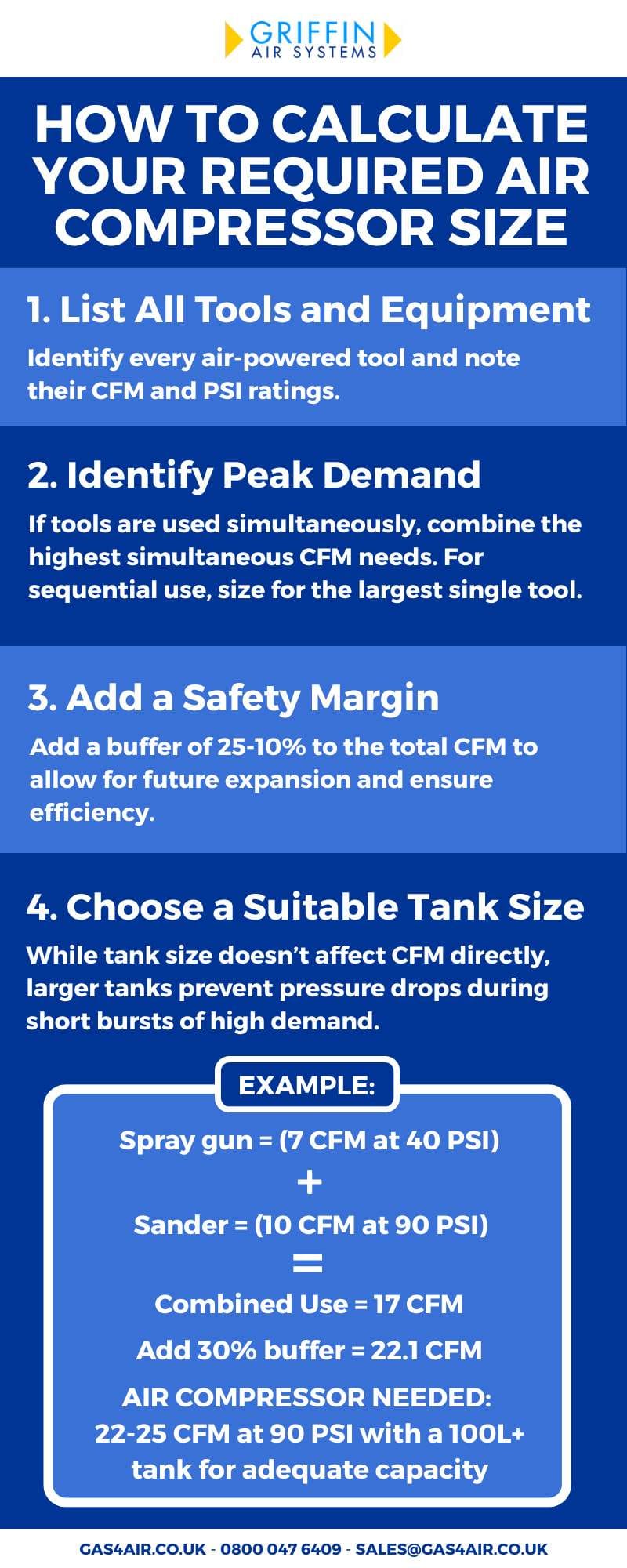
CFM stands for cubic feet per minute. It measures how much air the compressor can deliver. When learning how to choose the right air compressor, CFM should be one of the first numbers you check.
Every air tool requires a minimum CFM rating. Your compressor should provide more CFM than the tool requires. This extra capacity helps maintain steady performance.
- ✦ Tire Inflators
Usually require low CFM output.
- ✦ Impact Wrenches
Need moderate airflow for reliable operation.
- ✦ Paint Sprayers
Often require higher and continuous airflow.
Add Tool Requirements Together
If you plan to use more than one air tool at the same time, add the required CFM values together. Then choose a compressor that exceeds that total.
- ✦ Safety Margin
Aim for at least 25 percent more airflow than your minimum need.
Know the Importance of PSI
PSI means pounds per square inch. It measures air pressure. Most common air tools work well within standard compressor pressure ranges.
When deciding how to choose the right air compressor, make sure the compressor can meet the PSI requirement of your highest-demand tool. Insufficient pressure can reduce tool effectiveness.
- ✦ Light-Duty Tasks
Often need lower PSI levels.
- ✦ Heavy-Duty Tools
May require higher pressure to operate correctly.
Balance PSI and CFM
PSI and CFM work together. A compressor with adequate pressure but insufficient airflow may still struggle to power tools properly.
- ✦ Complete Evaluation
Always compare both PSI and CFM specifications.
Choose the Right Tank Size
Tank size affects how long a compressor can supply air before the motor starts again. Larger tanks are useful for continuous work, while smaller tanks are easier to move.
Many people researching how to choose the right air compressor assume bigger tanks always mean better performance. In reality, tank size should support your workflow, not replace adequate CFM.
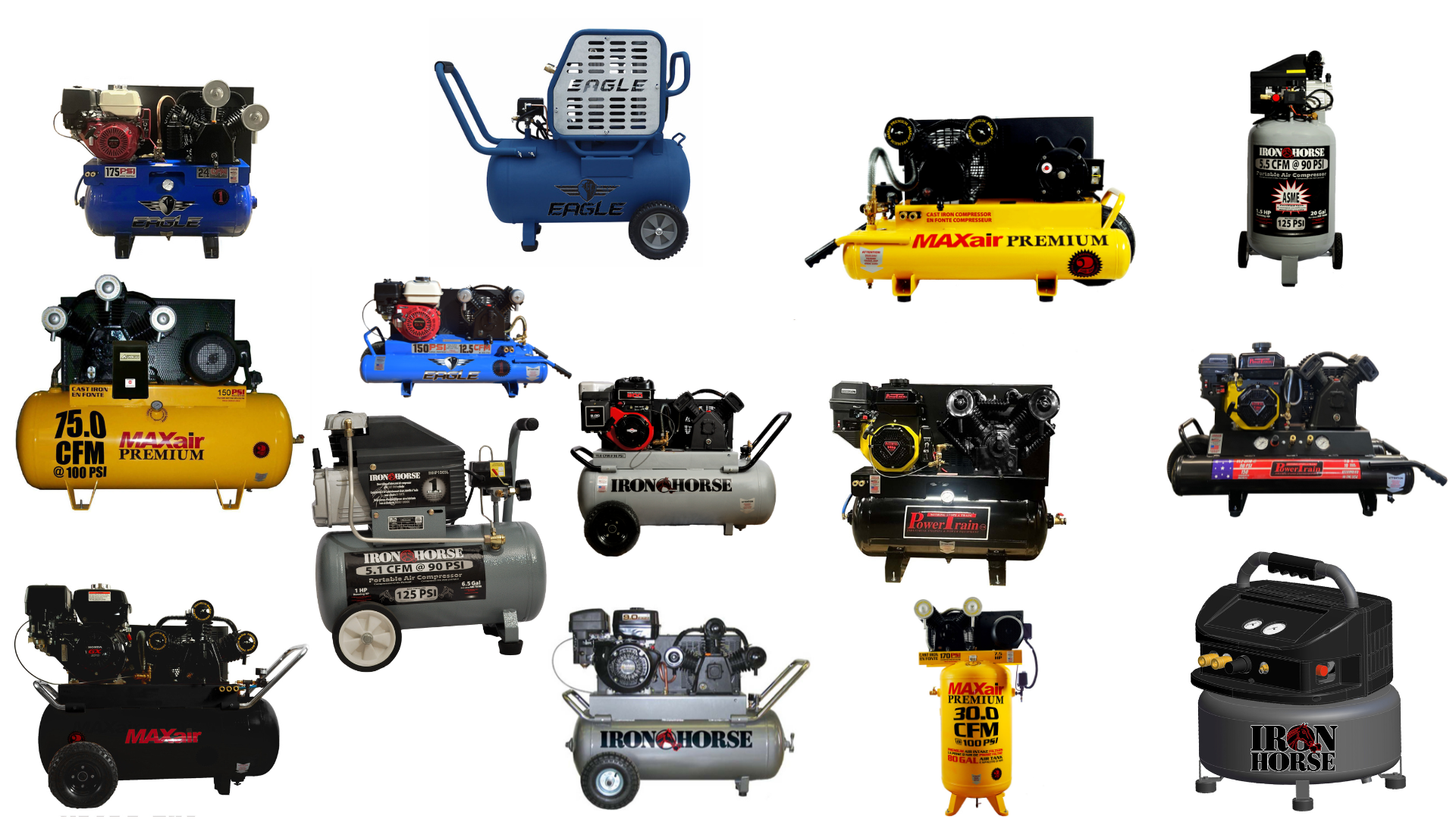
- ✦ Small Tanks
Good for inflation, brad nailers, and portability.
- ✦ Medium Tanks
Suitable for garages and DIY projects.
- ✦ Large Tanks
Best for workshops and frequent tool use.
Home Garage Recommendations
Many U.S. homeowners find that mid-sized compressors offer a good balance between storage space and performance.
- ✦ Versatility
Supports a wide range of common household projects.
Compare Different Air Compressor Types
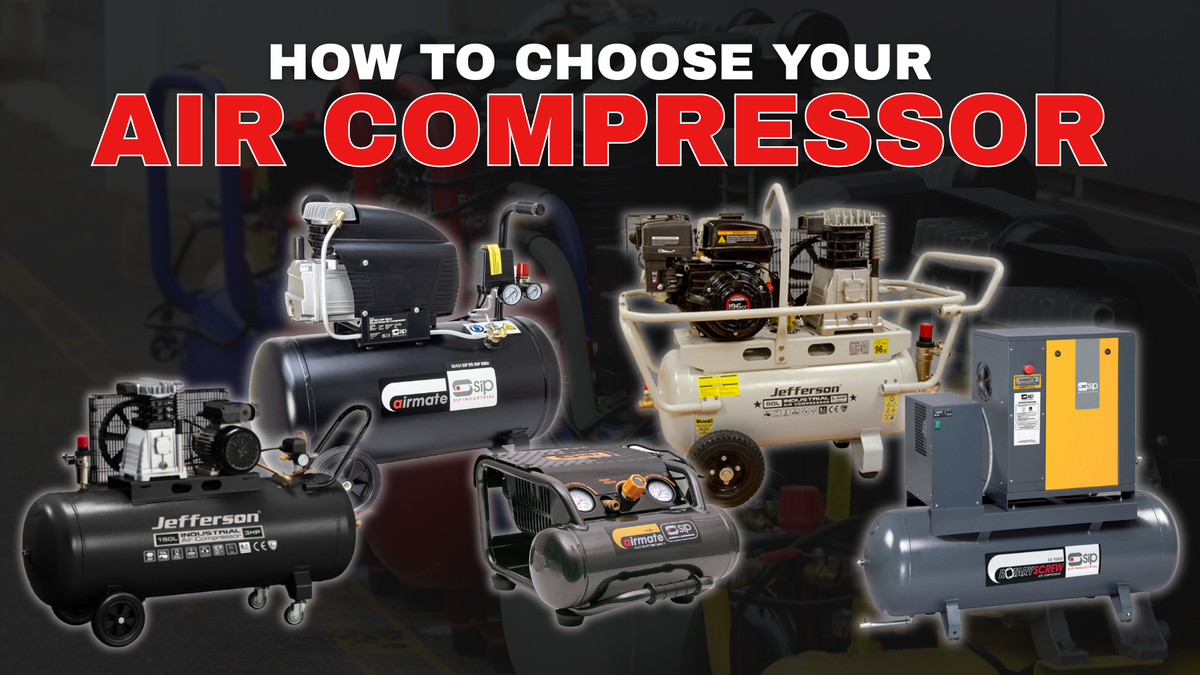
A key step in how to choose the right air compressor is understanding compressor designs. Different types serve different users.
Your choice depends on workload, noise concerns, maintenance expectations, and budget.

- ✦ Pancake Compressors
Compact and popular for home projects.
- ✦ Hot Dog Compressors
Portable and suitable for light construction work.
- ✦ Vertical Compressors
Save floor space while providing larger capacity.
Single-Stage vs Two-Stage
Single-stage models work well for many home and garage tasks. Two-stage units are often preferred for demanding professional applications.
- ✦ Professional Use
Two-stage compressors generally provide higher performance.
Oil-Free vs Oil-Lubricated
Oil-free compressors require less maintenance and are popular among homeowners. Oil-lubricated models often offer longer service life in heavy-use environments.
- ✦ Maintenance Consideration
Choose the design that matches your maintenance preferences.
Consider Power Source, Noise, and Portability
Modern buyers often care about more than airflow. Noise levels, portability, and power availability can greatly affect daily use.
When evaluating how to choose the right air compressor, think about where you will use it most often. A garage setup differs greatly from a construction site.

- ✦ Electric Compressors
Popular for garages, workshops, and indoor spaces.
- ✦ Gas Compressors
Useful where electrical outlets are unavailable.
- ✦ Quiet Compressors
Reduce noise in residential areas and indoor workspaces.
Mobility Needs
If you move between job sites, look for wheels, handles, and manageable weight.
- ✦ Ease of Transport
Portable units improve convenience and productivity.
Common Mistakes to Avoid When Buying an Air Compressor
Many buyers focus only on price. Others purchase a compressor based solely on tank size. Both mistakes can lead to disappointment.
The best approach to how to choose the right air compressor is to evaluate your current tasks and future needs together.

- ✦ Ignoring Tool Requirements
Always verify CFM and PSI needs first.
- ✦ Buying Too Small
A compressor that runs constantly wears out faster.
- ✦ Ignoring Future Projects
Leave room for future tool upgrades.
- ✦ Overlooking Noise
Loud compressors can become frustrating over time.
Think Long Term
A slightly larger compressor may provide better value if you expect your tool collection to grow.
- ✦ Future-Proofing
Plan for tomorrow’s projects, not only today’s tasks.