How to Use Hammer Drill Setting: A Complete Beginner-to-Pro Guide
Learning how to use hammer drill setting can make tough drilling jobs much easier. Whether you are hanging shelves on a concrete wall or installing anchors in brick, the right setting helps the drill work faster and more efficiently.
Over the years, I have used hammer drills on home renovation projects, garage upgrades, and outdoor installations. One lesson stands out every time: using the correct drill mode is just as important as choosing the right drill bit. When you understand how to use hammer drill setting properly, you get cleaner holes, reduce tool strain, and finish projects more quickly.

What Is the Hammer Drill Setting?
The hammer drill setting combines rotary drilling with a rapid hammering action. While the bit spins, the drill also delivers small forward impacts. These impacts help break through hard masonry materials.
This feature is designed for concrete, brick, cinder block, and stone. It allows the drill bit to penetrate surfaces that would be difficult to drill with standard drill mode.
Understanding what the hammer setting does is the first step in learning how to use hammer drill setting effectively.

- ✦ Rotating Action
The bit spins just like a regular drill.
- ✦ Hammering Action
The drill delivers rapid impacts while rotating.
- ✦ Primary Use
Designed for masonry and concrete drilling.
How Hammer Mode Differs From Standard Drill Mode
Standard drill mode only rotates the bit. Hammer mode adds impact force. This extra force helps the bit crush and remove masonry material more efficiently.
- ✦ Drill Mode
Best for wood, plastic, and metal.
- ✦ Hammer Mode
Best for concrete, brick, and stone.
When Should You Use Hammer Drill Setting?
One of the most common questions about how to use hammer drill setting is knowing when to activate it. The answer depends on the material you are drilling.
Use hammer mode whenever you need to drill into concrete foundations, brick walls, masonry blocks, stone surfaces, or mortar joints. The hammering action improves drilling speed and reduces effort.
For wood, metal, drywall, and many plastics, switch back to normal drill mode. Using hammer mode on soft materials can damage the workpiece and produce rough holes.

- ✦ Use Hammer Mode
Concrete, brick, masonry block, stone, and mortar.
- ✦ Avoid Hammer Mode
Wood, metal, plastic, drywall, and finished surfaces.
Signs You Need Hammer Mode
If the drill struggles to penetrate masonry or creates excessive heat without progress, hammer mode is usually the better choice.
- ✦ Slow Progress
Masonry drilling takes too long in standard mode.
- ✦ Bit Wear
The bit becomes hot without drilling efficiently.
How to Use Hammer Drill Setting Step by Step
If you want to master how to use hammer drill setting, follow a simple process. Proper setup improves both safety and performance.
Start by inspecting the drill, battery, cord, and drill bit. Make sure everything is secure before drilling.
Mark the drilling location clearly. This helps keep the bit from wandering when you begin.

- ✦ Step 1
Install a masonry drill bit.
- ✦ Step 2
Switch the drill selector to the hammer icon.
- ✦ Step 3
Position the bit at a 90-degree angle.
- ✦ Step 4
Start slowly and increase speed gradually.
- ✦ Step 5
Apply steady pressure without forcing the drill.
Maintaining Control While Drilling
Keep both hands on the drill whenever possible. Use the auxiliary handle if your drill includes one. This provides better stability and reduces fatigue.
- ✦ Firm Grip
Helps prevent twisting when the bit catches.
- ✦ Steady Pressure
Lets the hammer action work efficiently.
Choosing the Right Drill Bit
A hammer drill is only as effective as the bit installed in it. Using the wrong bit is a common mistake when learning how to use hammer drill setting.
For concrete and masonry, use carbide-tipped masonry bits. These bits are designed to withstand impact and abrasion.
Standard wood or metal bits can wear out quickly when used in hammer mode.

- ✦ Carbide Tip
Provides durability for masonry drilling.
- ✦ Correct Diameter
Match the bit size to the anchor or fastener.
- ✦ Sharp Bit
Improves speed and hole quality.
Why Masonry Bits Matter
The repeated impacts generated by hammer mode require stronger cutting edges. Masonry bits are specifically designed for this type of work.
- ✦ Longer Life
Better resistance to impact wear.
Common Mistakes to Avoid
Many beginners make simple errors when learning how to use hammer drill setting. These mistakes can reduce efficiency and damage tools.
One common issue is pushing too hard. Excessive force can overheat the drill and reduce drilling speed.
Another mistake is using hammer mode on materials that do not need it. This can damage surfaces and create poor-quality holes.

- ✦ Too Much Pressure
Let the drill do the work.
- ✦ Wrong Bit
Always use masonry bits for masonry materials.
- ✦ Incorrect Mode
Use standard mode for wood and metal.
- ✦ Skipping Safety Gear
Wear eye and hearing protection.
Professional Tip
If drilling deep holes, pull the bit out periodically. This clears dust and helps the bit stay cool.
- ✦ Dust Removal
Improves drilling performance.
Safety Tips for Using Hammer Drill Setting
Safety should always come first when learning how to use hammer drill setting. Hammer drills generate vibration, noise, and flying debris.
Wear safety glasses, hearing protection, and work gloves. Keep loose clothing away from moving parts.
Before drilling into walls, check for electrical wires, plumbing lines, and hidden obstacles.

- ✦ Eye Protection
Protects against dust and debris.
- ✦ Hearing Protection
Reduces exposure to loud drilling noise.
- ✦ Check Utilities
Avoid drilling into hidden wires or pipes.
Working on Ladders
Maintain three points of contact whenever possible. Avoid overreaching while drilling overhead or at height.
- ✦ Stable Position
Improves control and safety.
Hammer Drill Setting vs Regular Drill Setting
Many homeowners wonder if they really need hammer mode. The answer depends on the material being drilled.
A regular drill works well for wood, drywall, plastic, and metal. A hammer drill excels when working with masonry materials.
Understanding the difference helps you decide when and how to use hammer drill setting for the best results.
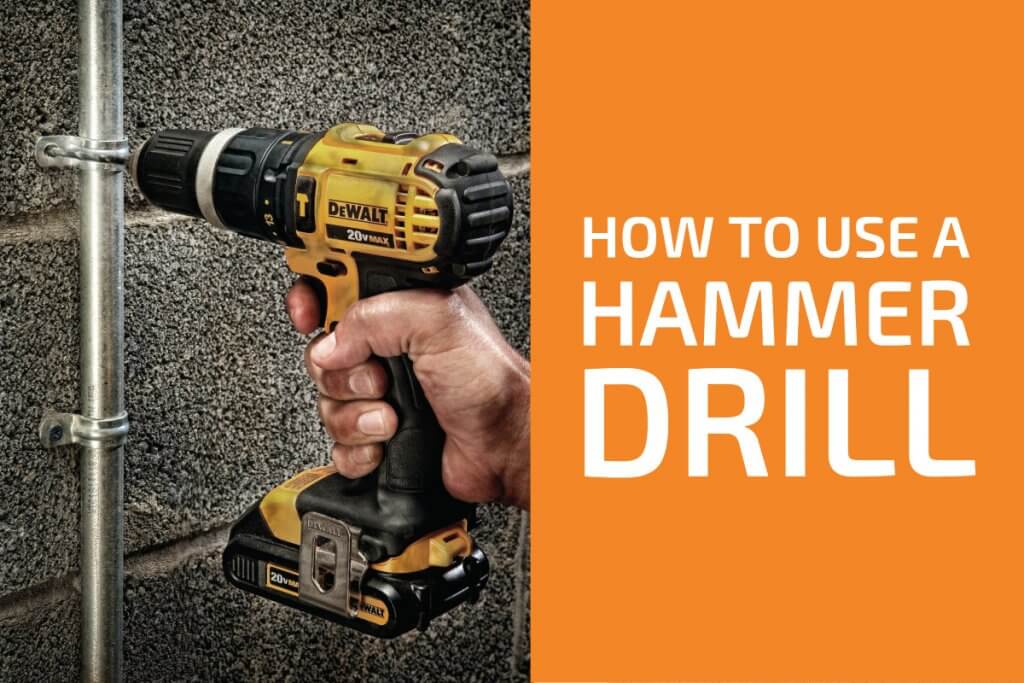
- ✦ Regular Drill
Rotates only.
- ✦ Hammer Drill
Rotates and impacts simultaneously.
- ✦ Best Application
Concrete and masonry projects.
Which One Should You Choose?
For occasional household repairs, a combination drill with hammer mode offers excellent versatility.
- ✦ Versatility
One tool handles multiple drilling tasks.