How Much Does a Vacuum Cleaner Weigh? Average Weights by Type
Many shoppers ask, “how much does a vacuum cleaner weigh” before buying a new machine. Weight matters because it affects comfort, storage, carrying, and everyday use. A vacuum that feels great on a showroom floor can feel very different after cleaning an entire home.
From my experience reviewing and testing home cleaning equipment, weight is one of the most overlooked buying factors. The right balance between cleaning power and portability can make household chores much easier, especially for people who clean stairs, have mobility concerns, or move their vacuum frequently.

Average Vacuum Cleaner Weight by Type
If you are wondering how much does a vacuum cleaner weigh, the answer depends on the category of vacuum. Different designs use different motors, dust bins, batteries, and cleaning systems.
Lightweight models focus on portability, while larger units often prioritize deep-cleaning performance. Understanding these differences helps you choose the right machine for your needs.
- ✦ Handheld Vacuums
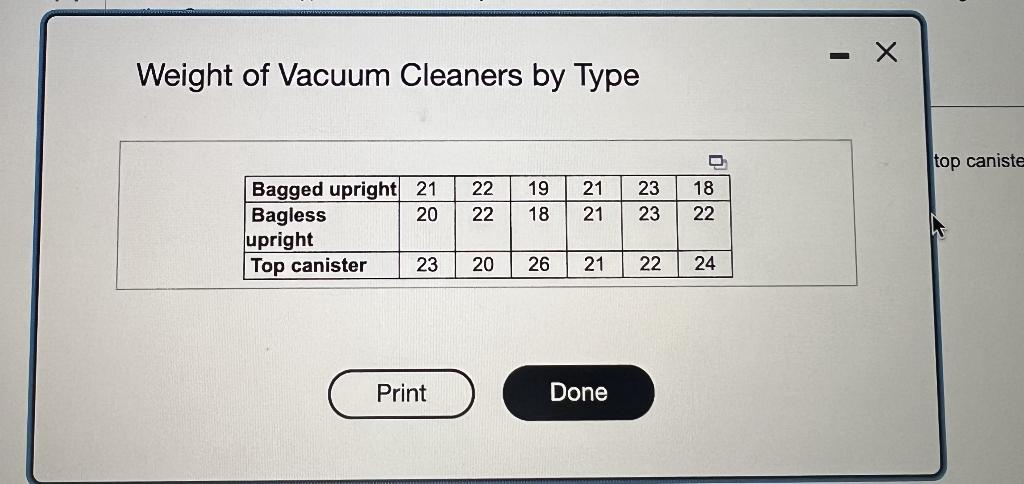
Usually weigh between 2 and 6 pounds.
- ✦ Stick Vacuums
Typically weigh between 5 and 10 pounds.
- ✦ Robot Vacuums
Most weigh between 6 and 12 pounds.
- ✦ Canister Vacuums
Generally weigh between 8 and 18 pounds.
- ✦ Upright Vacuums
Often weigh between 12 and 20 pounds.
Why Weight Varies So Much
Motor size, battery packs, filtration systems, brush rolls, and construction materials all influence total weight. Premium models may weigh more because they include stronger components and additional features.
- ✦ Large Motors
Increase cleaning power but add weight.
- ✦ HEPA Filters
Can increase overall size and weight.
How Much Does an Upright Vacuum Cleaner Weigh
When people search how much does a vacuum cleaner weigh, they are often considering upright models. Upright vacuums remain one of the most popular choices in American homes because they offer strong carpet-cleaning performance.
Most upright vacuums weigh between 12 and 20 pounds. Heavy-duty pet vacuums and premium deep-cleaning models can exceed this range.

- ✦ Best For
Large carpeted areas and deep cleaning.
- ✦ Trade-Off
Higher cleaning power often means more weight.
Pros of Heavier Upright Vacuums
Heavier uprights often include larger motors, bigger dust containers, and wider cleaning paths. These features can reduce cleaning time and improve dirt pickup.
- ✦ Deep Carpet Cleaning
Often better than lightweight models.
Weight of Stick, Handheld, and Mini Vacuums
Stick vacuums have become extremely popular because they are easy to carry and store. If your main concern is mobility, these models are often the best option.
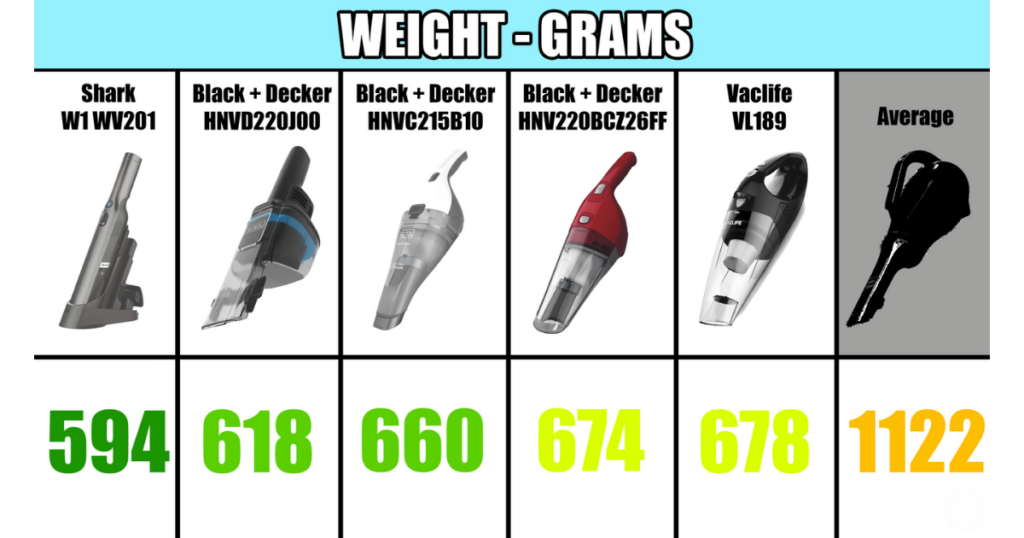
Most stick vacuums weigh between 5 and 10 pounds. Handheld and mini vacuums can weigh as little as 2 to 6 pounds, making them ideal for quick cleanups.
- ✦ Easy Storage
Slim designs fit in closets and small spaces.
- ✦ Stair Cleaning
Much easier than carrying a heavy upright.
Who Benefits Most from Lightweight Vacuums
Seniors, apartment residents, students, and people with mobility concerns often prefer lightweight vacuum cleaners. These models reduce strain during routine cleaning.
- ✦ Daily Cleaning
Ideal for quick and frequent vacuuming.
Factors That Affect Vacuum Cleaner Weight
Several components determine how much does a vacuum cleaner weigh. Two vacuums that look similar can have very different weights due to their internal design.
Manufacturers balance cleaning performance, durability, filtration, and portability when creating new models.
- ✦ Battery Size
Cordless models become heavier as battery capacity increases.
- ✦ Dust Capacity
Larger bins add convenience but increase weight.
- ✦ Build Materials
Metal components weigh more than plastic parts.
- ✦ Filtration Systems
Advanced filtration can add extra mass.
Corded vs Cordless Weight
Cordless vacuums eliminate power cords but require batteries. Depending on battery size, some cordless models can approach the weight of traditional corded machines.
- ✦ Long Runtime Batteries
Provide convenience but often add weight.
Does Vacuum Weight Matter When Buying
Yes, vacuum weight can significantly affect your cleaning experience. Many buyers focus only on suction power and overlook how often they will need to carry or maneuver the machine.
If you clean multiple floors or have many stairs, weight may become one of the most important factors in your purchase decision.
- ✦ Stairs
Lighter vacuums are easier to transport.
- ✦ Storage
Lightweight models are simpler to move and store.
- ✦ Long Cleaning Sessions
Less fatigue during whole-house cleaning.
Finding the Right Balance
The ideal vacuum is not always the lightest one. A balance between performance, comfort, durability, and maneuverability usually delivers the best ownership experience.
- ✦ Try Before Buying
If possible, test how the vacuum feels in your hands.
Examples of Popular Vacuum Weight Ranges
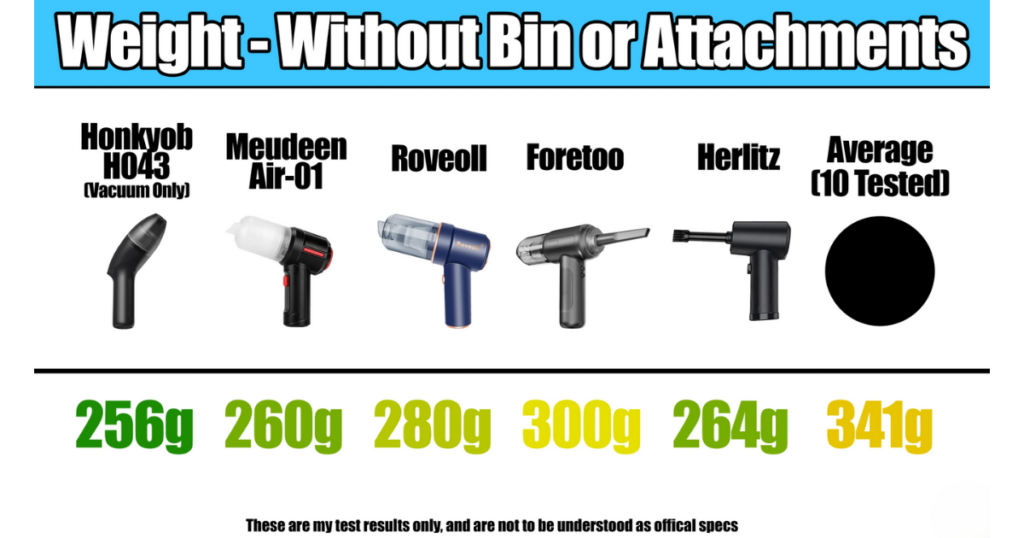
A practical way to understand how much does a vacuum cleaner weigh is to look at common product categories. Lightweight stick vacuums usually stay under 10 pounds, while full-size uprights often exceed 15 pounds.
Robot vacuums fall in the middle because they contain motors, batteries, navigation hardware, and sensors.
- ✦ Mini Vacuums
Around 2 to 5 pounds.
- ✦ Cordless Sticks
Usually 5 to 10 pounds.
- ✦ Robot Vacuums
Commonly 6 to 12 pounds.
- ✦ Large Uprights
Often 15 to 20 pounds.
Choosing Based on Your Home
Small apartments often benefit from lightweight vacuums, while large homes with wall-to-wall carpet may justify a heavier machine with more power.
- ✦ Apartment Living
Prioritize portability and storage convenience.