How to Use a Drill for Beginners: Complete Step-by-Step Guide to Safe and Confident Drilling
Learning how to use a drill for beginners can feel intimidating at first. A drill is one of the most useful tools in any home. Once you understand the basics, many DIY projects become much easier.
Over the years, I have helped new homeowners and DIY enthusiasts learn how to use a drill for beginners. The people who succeed fastest are usually the ones who focus on safety, practice on scrap material, and learn the drill’s controls before starting a real project.
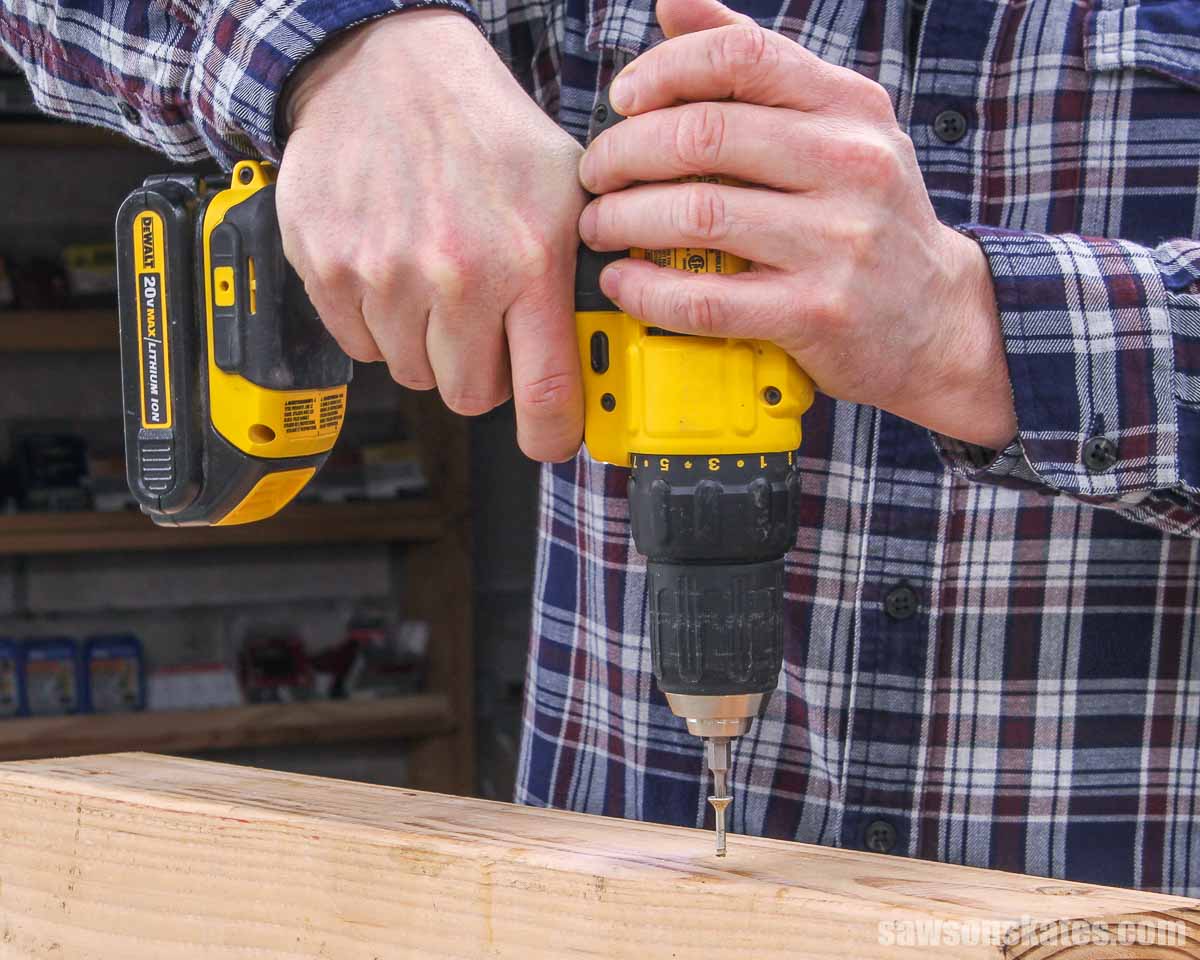
What Is a Drill and Why Is It Useful?
A drill is a power tool that spins a drill bit or driver bit. It can create holes in wood, drywall, metal, plastic, and other materials. It can also drive screws quickly and efficiently.
When learning how to use a drill for beginners, it helps to know that modern cordless drills are designed for everyday users. They are lighter, safer, and easier to control than older models.
- ✦ Drilling Holes
Create holes for hanging shelves, mounting TVs, or building projects.
- ✦ Driving Screws
Install screws faster than using a manual screwdriver.
- ✦ DIY Projects
Build furniture, repair items, and complete home improvement tasks.
Corded vs. Cordless Drills
Corded drills provide constant power. Cordless drills offer mobility and convenience. Most beginners find cordless drills easier for household projects.
- ✦ Cordless Advantage
Easy to carry and use around the house.
Know the Main Parts of a Drill
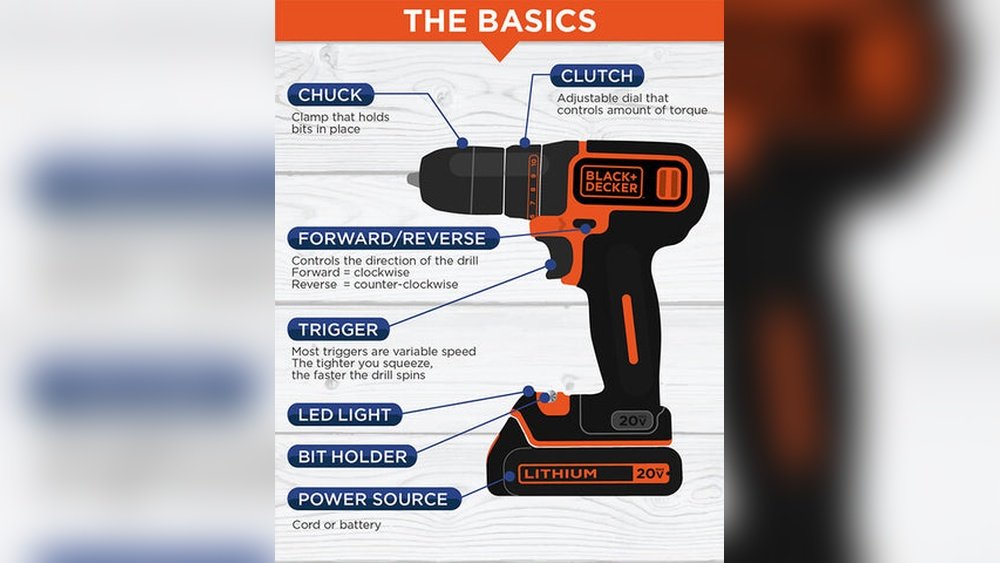
Before practicing how to use a drill for beginners, spend a few minutes identifying the major controls. Understanding each part improves safety and confidence.
Most drills have similar layouts. Once you learn one model, you can usually operate others with little trouble.

- ✦ Chuck
Holds the drill bit securely.
- ✦ Trigger
Controls the drill speed.
- ✦ Forward/Reverse Switch
Changes drilling or screw-removal direction.
- ✦ Clutch
Helps prevent overdriving screws.
Understanding Speed Settings
Many drills have low and high speed ranges. Lower speeds work well for screws. Higher speeds work better for drilling holes.
- ✦ Low Speed
Better control and more torque.
- ✦ High Speed
Faster drilling in many materials.
Essential Safety Tips Before You Start
Safety should always come first when learning how to use a drill for beginners. Even small drills can cause injuries if used carelessly.
Take a few minutes to prepare your workspace. Good habits make every project easier and safer.

- ✦ Wear Safety Glasses
Protect your eyes from dust and flying debris.
- ✦ Secure Materials
Clamp workpieces when possible.
- ✦ Check the Area
Avoid hidden pipes, wires, and cables.
- ✦ Keep Hair and Clothing Clear
Loose items can catch in moving parts.
Create a Safe Work Area
Work in a well-lit space. Keep children and pets away while using power tools.
- ✦ Good Lighting
Makes it easier to drill accurately.
How to Use a Drill for Beginners Step by Step
This section covers the core process of how to use a drill for beginners. Follow these steps slowly until they become second nature.
Practice on scrap wood first. This removes pressure and helps you build confidence.
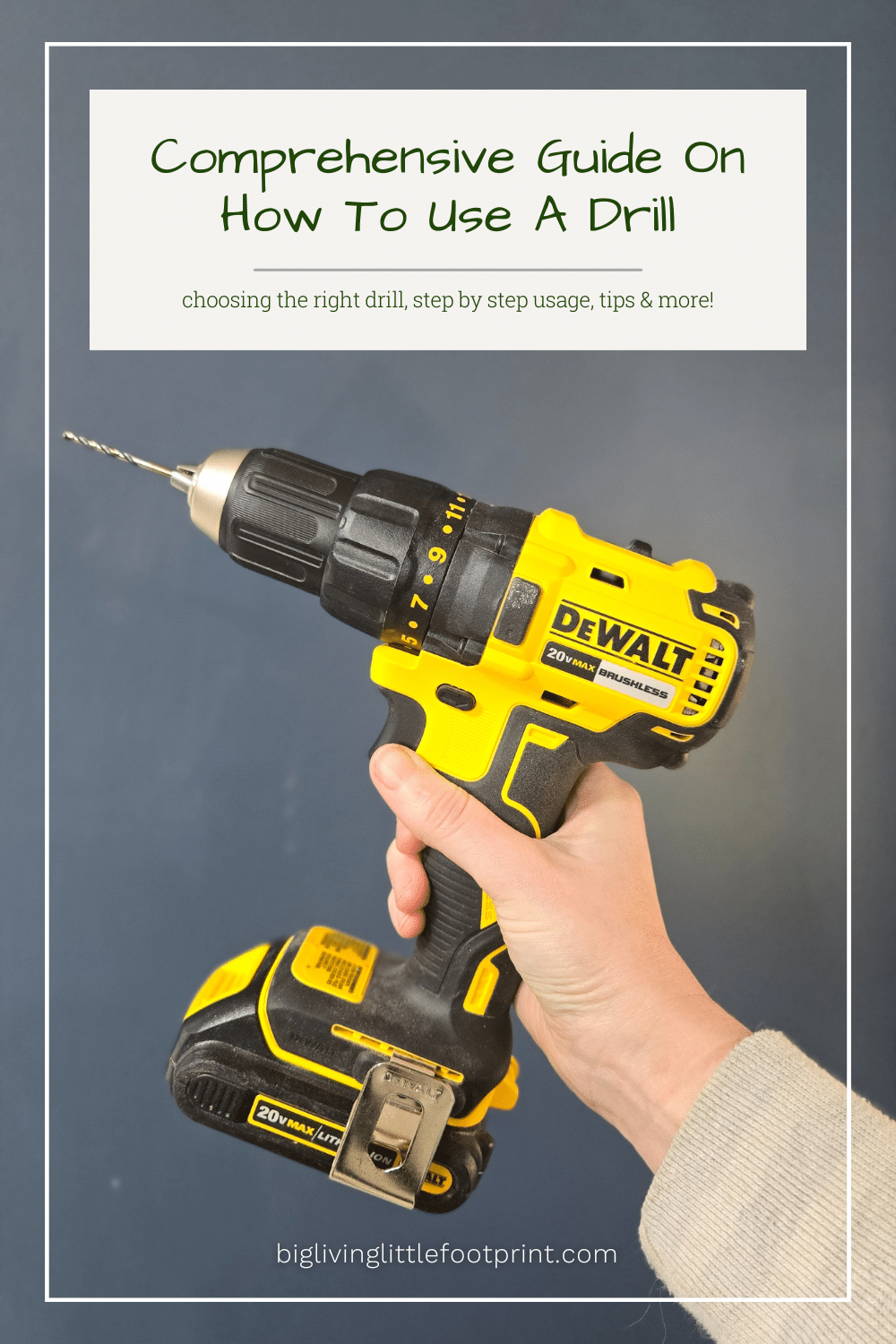
- ✦ Step 1
Choose the correct drill bit.
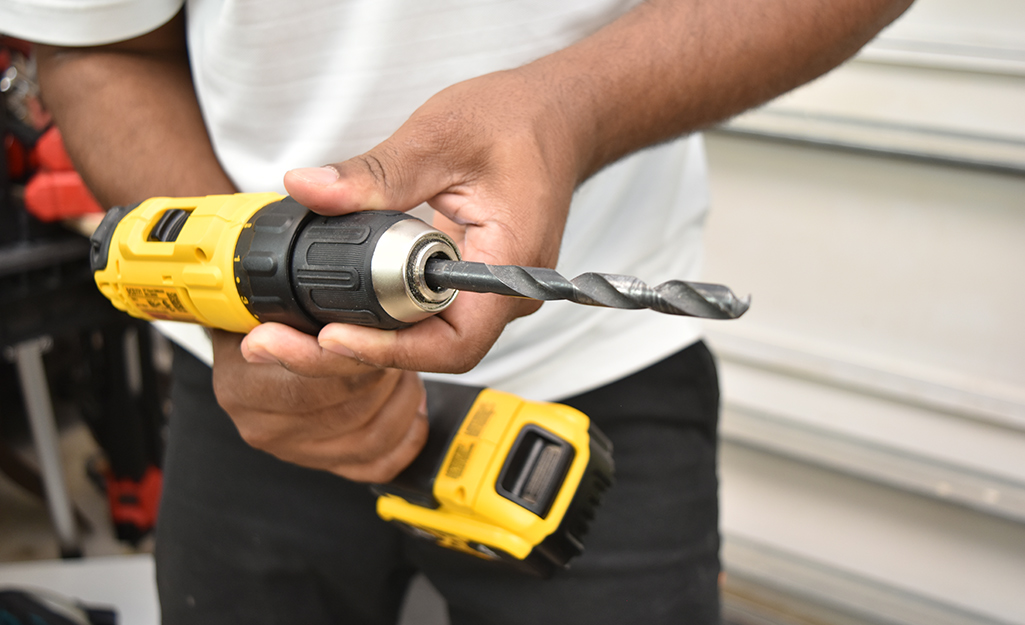
- ✦ Step 2
Insert and tighten the bit in the chuck.
- ✦ Step 3
Mark the drilling location.
- ✦ Step 4
Position the drill straight against the surface.
- ✦ Step 5
Squeeze the trigger gently and increase speed gradually.
- ✦ Step 6
Apply steady pressure without forcing the tool.
Drilling a Clean Hole
Keep the drill perpendicular to the surface. Let the bit do the work. Pull the bit out occasionally when drilling deeper holes to clear debris.
- ✦ Stay Straight
A straight drill angle produces cleaner results.
Driving Screws
Switch to a driver bit. Use a lower speed setting and a clutch setting that prevents overdriving. Start slowly until the screw bites into the material.
- ✦ Use the Clutch
Helps protect screws and surfaces.
Choosing the Right Drill Bit
A big part of learning how to use a drill for beginners is understanding drill bits. Different materials need different bit types.
Using the wrong bit can slow progress and damage materials.

- ✦ Wood Bits
Designed for clean holes in wood.
- ✦ Metal Bits
Made for steel, aluminum, and other metals.
- ✦ Masonry Bits
Used for concrete, brick, and stone.
- ✦ Driver Bits
Used for driving screws.
Bit Size Selection
Match the bit diameter to the hole size needed. When installing screws, use a pilot hole that is slightly smaller than the screw.
- ✦ Pilot Holes
Help prevent wood splitting.
Common Beginner Mistakes and How to Avoid Them
Everyone makes mistakes when learning how to use a drill for beginners. The good news is that most errors are easy to fix.
Recognizing common problems early can save time and frustration.

- ✦ Using Too Much Force
Let the drill and bit do the cutting.
- ✦ Wrong Bit Choice
Always match the bit to the material.
- ✦ Drilling Too Fast
Excess speed can reduce accuracy.
- ✦ Ignoring Safety Gear
Eye protection should always be worn.
How to Improve Faster
Practice simple tasks like drilling holes in scrap wood and driving a few screws. Repetition builds skill quickly.
- ✦ Start Small
Begin with easy projects before tackling larger jobs.
Simple Projects to Practice Your Drill Skills
The best way to master how to use a drill for beginners is through hands-on practice. Start with projects that require only a few holes or screws.
These small tasks help build confidence without overwhelming new users.
- ✦ Hang a Picture Frame
Practice measuring and drilling accurately.
- ✦ Assemble Furniture
Learn screw-driving techniques.
- ✦ Install Wall Hooks
Practice drilling pilot holes and using anchors.
Building Confidence
Each successful project improves control and familiarity with the tool. Within a short time, many beginners become comfortable using a drill for common household jobs.
- ✦ Practice Regularly
Short practice sessions often work best.