How to Use an Impact Driver Drill: Step-by-Step Guide
Learning how to use an impact driver drill is one of the best skills for homeowners, DIY enthusiasts, and tradespeople. This tool makes driving long screws and fasteners much easier than a standard drill. It delivers extra torque automatically when resistance increases.
Over the years, I have used impact drivers for deck building, furniture assembly, framing, and home repairs. The biggest lesson I learned is that proper setup matters as much as technique. When you know how to use an impact driver drill correctly, projects move faster, screws seat cleanly, and fatigue drops significantly.

What Is an Impact Driver Drill?
An impact driver drill is a power tool designed mainly for driving screws, lag bolts, and fasteners. It combines rotational force with quick hammer-like impacts. This allows the tool to handle difficult fastening jobs with less effort.
Many people confuse an impact driver with a drill. While both spin bits, an impact driver delivers much more torque. That extra power makes it ideal for construction, woodworking, and outdoor projects.

- ✦ Primary Purpose
Drive screws, bolts, and fasteners efficiently.
- ✦ High Torque
Provides more turning force than most standard drills.
- ✦ Compact Design
Fits into tight spaces more easily.
When to Use an Impact Driver
Use an impact driver when driving long screws, structural fasteners, or hardware into dense materials. It excels when a standard drill struggles or stalls.
- ✦ Deck Building
Ideal for driving long deck screws.
- ✦ Framing
Useful for repetitive fastening tasks.
Tools and Safety Gear You Need Before Starting
Before learning how to use an impact driver drill, gather the right accessories. Using proper bits and safety equipment helps prevent accidents and improves results.
Always inspect the tool before use. Check the battery, bit holder, trigger, and forward-reverse switch. A quick inspection can prevent problems during the job.

- ✦ Safety Glasses
Protect your eyes from flying debris.
- ✦ Impact-Rated Bits
Designed to handle high torque and repeated impacts.
- ✦ Work Gloves
Improve grip and comfort during extended use.
Choose the Right Bit
Always match the bit to the screw head. A properly fitted bit reduces slipping and screw damage.
- ✦ Phillips
Common for household projects.
- ✦ Torx
Popular for construction and decking.
How to Use an Impact Driver Drill Step by Step
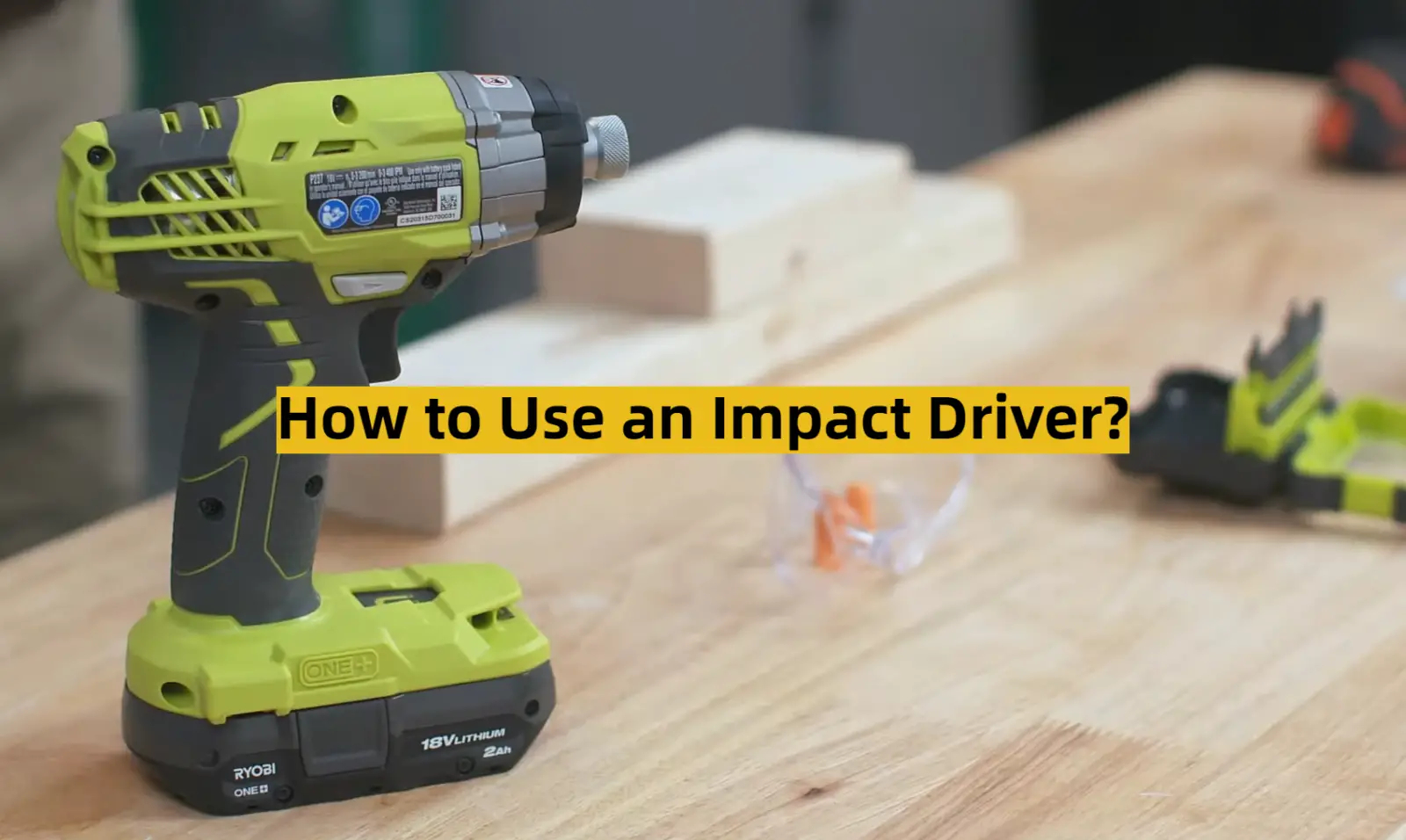
The easiest way to learn how to use an impact driver drill is to follow a simple process. Consistency and control matter more than speed.
Most beginners improve quickly once they understand proper positioning and pressure. Follow these steps every time for reliable results.
- ✦ Step 1
Insert a charged battery and ensure it locks securely.
- ✦ Step 2
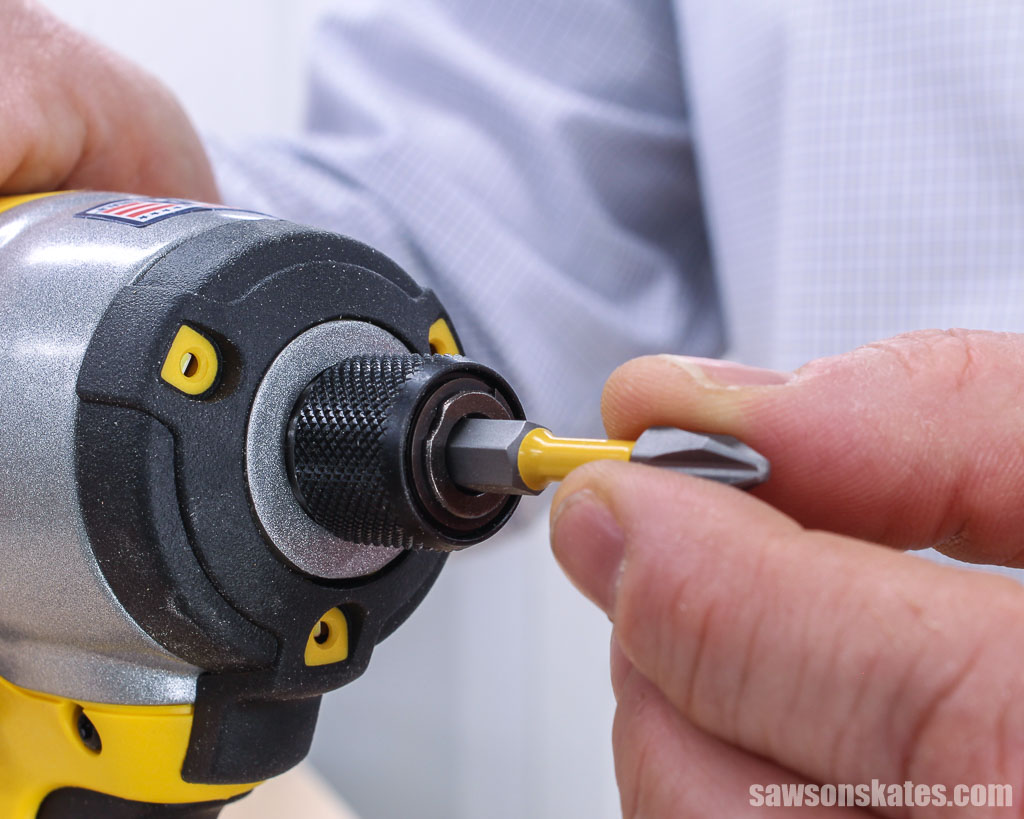
Pull the quick-release chuck forward and insert the bit.
- ✦ Step 3
Select forward rotation for driving screws.
- ✦ Step 4
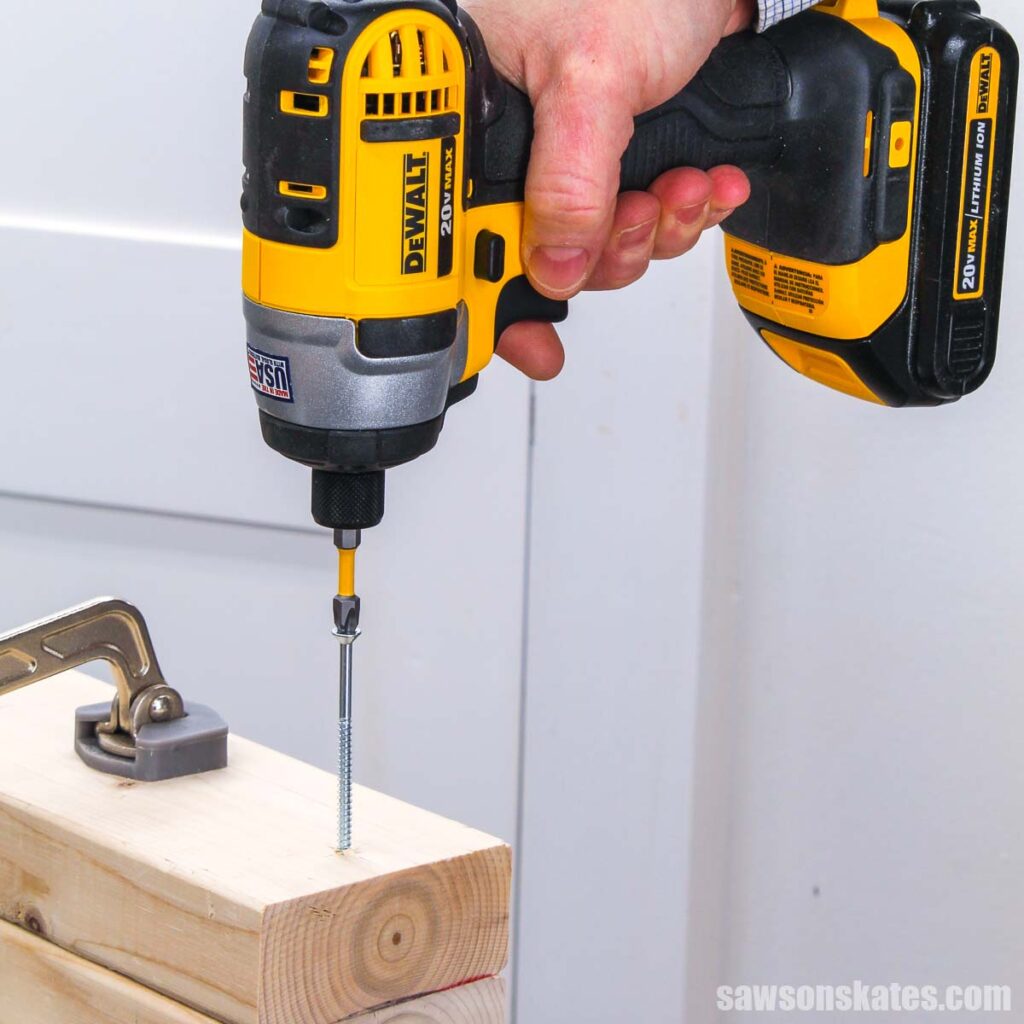
Place the bit firmly into the screw head.
- ✦ Step 5
Apply straight pressure and slowly squeeze the trigger.
- ✦ Step 6
Increase speed gradually until the screw is fully seated.
Maintaining Proper Alignment
Keep the tool straight with the fastener. Angled driving often causes stripped screw heads and damaged bits.
- ✦ Firm Grip
Use both hands for difficult fasteners.
Tips for Better Performance and Cleaner Results
Once you understand how to use an impact driver drill, small technique adjustments can improve your work. Better control reduces mistakes and improves appearance.
I often recommend practicing on scrap wood before working on a finished project. A few minutes of practice helps build confidence and muscle memory.
- ✦ Start Slowly
Use light trigger pressure at first.
- ✦ Use Pilot Holes
Reduce splitting in hardwoods.
- ✦ Keep Bits Fresh
Replace worn bits before they damage screws.
Managing Torque Effectively
Let the tool do the work. Excessive force is rarely necessary because the impact mechanism supplies additional power automatically.
- ✦ Consistent Pressure
Improves engagement between bit and screw.
Common Mistakes to Avoid
Many beginners make simple errors when learning how to use an impact driver drill. Avoiding these mistakes saves time and materials.
The most common issue is using the wrong bit size. Poor bit fit leads to slipping, stripped screws, and frustration.
- ✦ Wrong Bit Type
Can break or damage fasteners.
- ✦ Too Much Speed
May overdrive screws and damage surfaces.
- ✦ Poor Alignment
Increases the chance of stripped heads.
Avoid Overdriving Screws
Stop once the screw sits flush unless the project requires countersinking. Excessive driving can damage materials.
- ✦ Watch the Screw Head
Monitor placement as you finish driving.
Impact Driver Maintenance and Storage
Proper maintenance helps your tool perform better and last longer. A few minutes of care after each project can prevent future issues.
Clean the tool regularly and store it in a dry location. Remove dust and debris from vents and moving parts.

- ✦ Clean After Use
Wipe down the housing and chuck area.
- ✦ Inspect Bits
Replace damaged accessories promptly.
- ✦ Care for Batteries
Store batteries according to manufacturer recommendations.
Battery Best Practices
Avoid extreme heat and moisture. Proper battery care improves runtime and lifespan.
- ✦ Charge Properly
Use the charger designed for the battery system.
When an Impact Driver Is Better Than a Drill
Understanding when to choose each tool is part of learning how to use an impact driver drill effectively. An impact driver shines when driving fasteners that require high torque.
A standard drill often works better for precision drilling. Many professionals keep both tools nearby because each serves a different purpose.

- ✦ Impact Driver Advantage
Excellent for long screws and heavy-duty fastening.
- ✦ Drill Advantage
Better for precise hole drilling.
Projects That Benefit Most
Deck construction, fencing, framing, and outdoor structures often benefit from an impact driver’s power and efficiency.
- ✦ Outdoor Projects
Handles large fasteners with ease.