How to Use a Cordless Drill as a Screwdriver: Beginner-Friendly Guide
Learning how to use a cordless drill as a screwdriver is one of the most useful DIY skills you can develop. A cordless drill can save time, reduce hand fatigue, and help you complete projects faster than a manual screwdriver.
Over the years, I have used cordless drills for furniture assembly, deck repairs, cabinet installation, and simple household fixes. The biggest lesson I learned is that control matters more than power. When you understand the settings and use the right bit, a cordless drill becomes an excellent screwdriver.

Can a Cordless Drill Be Used as a Screwdriver?
Yes, a cordless drill can be used as a screwdriver. Most modern drills include forward and reverse controls, adjustable clutch settings, and variable speed triggers that make screw driving easy.
In many American homes, a cordless drill replaces a traditional screwdriver for routine projects. It works well for wood screws, drywall screws, furniture fasteners, and many household repair tasks.
Understanding how to use a cordless drill as a screwdriver starts with knowing that driving screws requires less speed and more control than drilling holes.

- ✦ Faster Work
Drive multiple screws in a fraction of the time required with a manual screwdriver.
- ✦ Less Effort
Reduce wrist and hand strain during large projects.
- ✦ Better Consistency
Achieve more uniform screw depth with proper settings.
Difference Between Drilling and Driving Screws
Drilling removes material to create a hole. Driving screws fastens materials together. When learning how to use a cordless drill as a screwdriver, lower speed and clutch control are more important than maximum power.
- ✦ Drilling
Uses drill bits and often higher speeds.
- ✦ Driving
Uses screwdriver bits and controlled torque.
Tools and Materials You Need
Before you learn how to use a cordless drill as a screwdriver, gather the proper equipment. Using the right accessories improves safety and helps prevent damaged screws.
Most homeowners already own everything needed for basic screw-driving tasks.

- ✦ Cordless Drill
Any drill with variable speed and reverse mode works.
- ✦ Screwdriver Bits
Choose Phillips, flathead, Torx, square, or specialty bits as needed.
- ✦ Screws
Match screw type to the project material.
- ✦ Safety Glasses
Protect your eyes from debris.
Choose the Correct Bit
A poorly matched bit can slip and damage the screw head. Always select a bit that fits snugly without wobbling.
- ✦ Phillips
Common in furniture and household projects.
- ✦ Torx
Common in decking and construction applications.
Step-by-Step Guide on How to Use a Cordless Drill as a Screwdriver
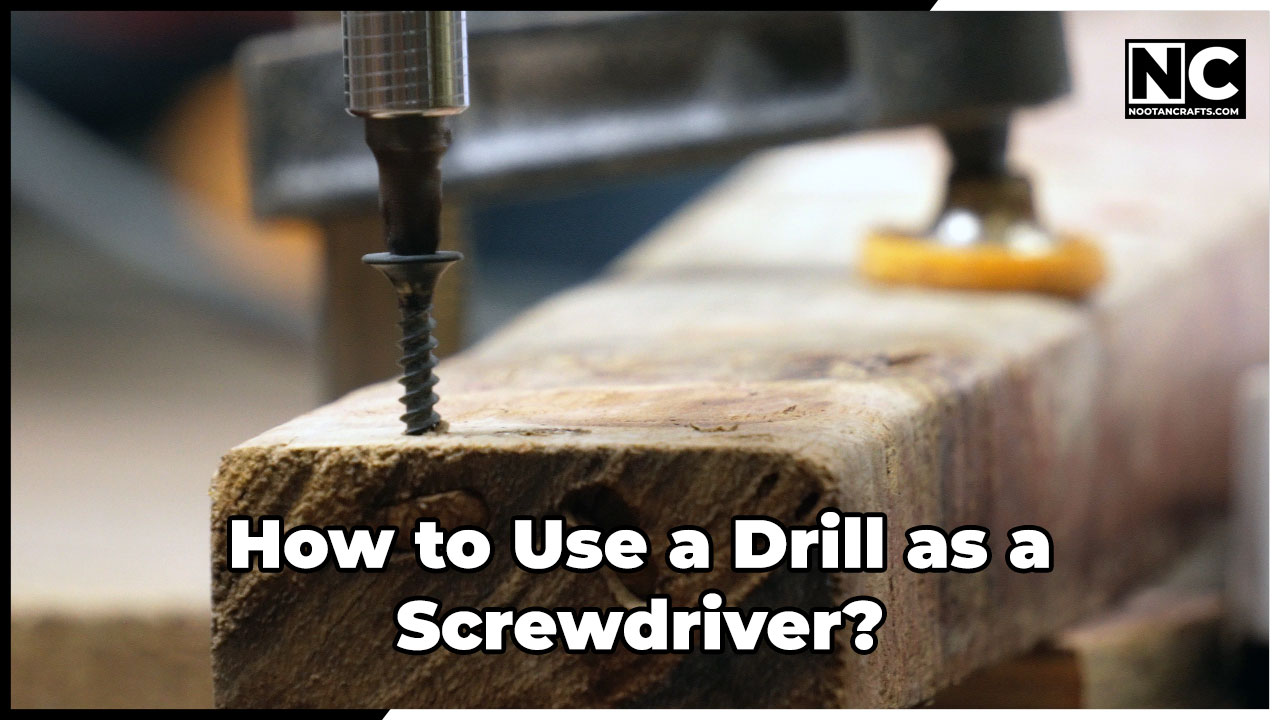
The easiest way to understand how to use a cordless drill as a screwdriver is to follow a simple process. These steps work for most household projects.
Take your time, especially if you are new to power tools. Accuracy matters more than speed.
- ✦ Step 1
Insert the correct screwdriver bit into the chuck and tighten it securely.
- ✦ Step 2
Set the drill to drive mode and choose a low clutch setting.
- ✦ Step 3
Select forward rotation for installing screws.
- ✦ Step 4
Position the screw and keep the drill straight.
- ✦ Step 5
Press the trigger gently and drive the screw slowly.
- ✦ Step 6
Stop when the screw sits flush with the material.
Using Reverse to Remove Screws
Switch the drill to reverse mode and maintain steady pressure on the screw head. Slow speed helps prevent stripping.
- ✦ Maintain Alignment
Keep the drill straight to avoid slipping.
Understanding Clutch Settings and Torque
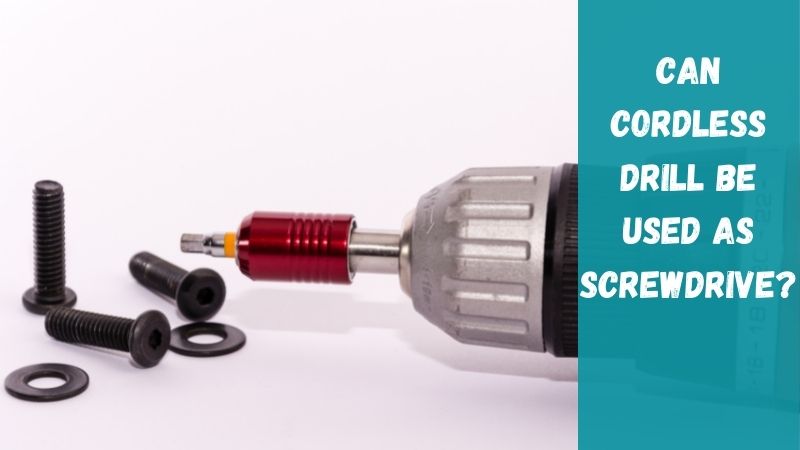
Many people struggle with how to use a cordless drill as a screwdriver because they ignore the clutch settings. The clutch controls how much torque the drill applies before it stops turning.
A lower setting helps prevent overdriving screws. A higher setting delivers more force for tougher materials.
- ✦ Low Numbers
Best for small screws and soft materials.
- ✦ Medium Numbers
Useful for general household projects.
- ✦ High Numbers
Suitable for larger fasteners and denser materials.
Why the Clutch Matters
The clutch reduces the risk of stripped screws, cracked wood, and damaged hardware. It is one of the most important features when using a drill as a screwdriver.
- ✦ Protect Materials
Helps prevent surface damage.
Common Mistakes to Avoid
When learning how to use a cordless drill as a screwdriver, beginners often make a few simple mistakes. Avoiding them can save materials, screws, and frustration.
Most problems come from excessive speed, poor bit selection, or improper alignment.

- ✦ Using Too Much Speed
Fast speeds increase the risk of stripped screws.
- ✦ Wrong Bit Size
Poor fit causes slipping and screw damage.
- ✦ Ignoring the Clutch
Too much torque can crack wood or sink screws too deeply.
- ✦ Crooked Angle
Misalignment reduces control and increases wear.
Practice Before Important Projects
I always recommend practicing on scrap wood first. This helps you learn how to use a cordless drill as a screwdriver without risking finished materials.
- ✦ Test Settings
Adjust clutch levels before starting the actual project.
Safety Tips for Using a Cordless Drill as a Screwdriver
Safety should always come first. Although driving screws is usually low risk, power tools still require attention and proper handling.
A few simple habits can help you stay safe and improve your results.

- ✦ Wear Eye Protection
Protect against flying debris and broken bits.
- ✦ Check Battery Condition
A healthy battery provides smooth performance.
- ✦ Keep Hands Clear
Avoid placing fingers near rotating bits.
- ✦ Use Stable Positioning
Maintain balance while operating the drill.
Battery Management
Charge batteries before large projects. Consistent power helps maintain better screw-driving control.
- ✦ Spare Battery
Keep a backup battery available for longer jobs.
When a Cordless Drill Works Best as a Screwdriver
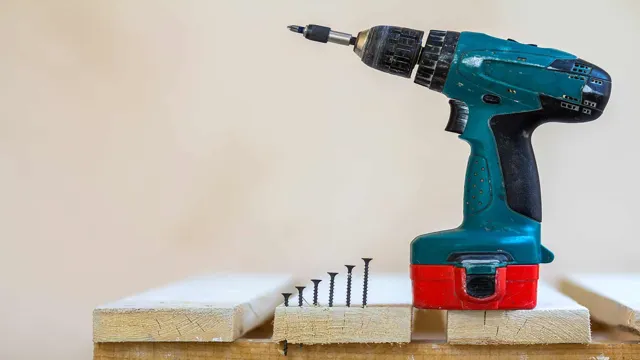
Knowing how to use a cordless drill as a screwdriver helps in many situations. It is especially useful when projects involve dozens of screws.
Furniture assembly, shelving installation, deck repairs, and cabinet mounting are common examples where a cordless drill saves significant time.
- ✦ Furniture Assembly
Speeds up installation of beds, desks, and shelves.
- ✦ Home Repairs
Makes quick work of loose hinges and fixtures.
- ✦ Woodworking
Improves efficiency on larger projects.
When to Use a Manual Screwdriver Instead
A manual screwdriver can still be helpful for delicate hardware, tight spaces, and final adjustments that require extra precision.
- ✦ Fine Adjustments
Ideal for fragile components and small screws.